
Developer Tools1 month ago
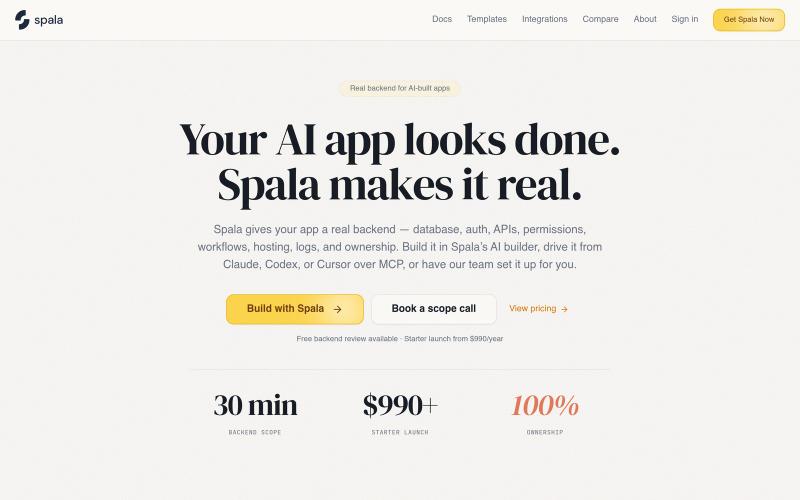
Spala — Visual Backend Logic for AI-Built Apps
Visualize and deploy AI-generated backend code as a verifiable logic layer you can understand and own.

@SpalaAi · X
The full gallery
Tech stack
13 projects
Visualize and deploy AI-generated backend code as a verifiable logic layer you can understand and own.
@SpalaAi · X
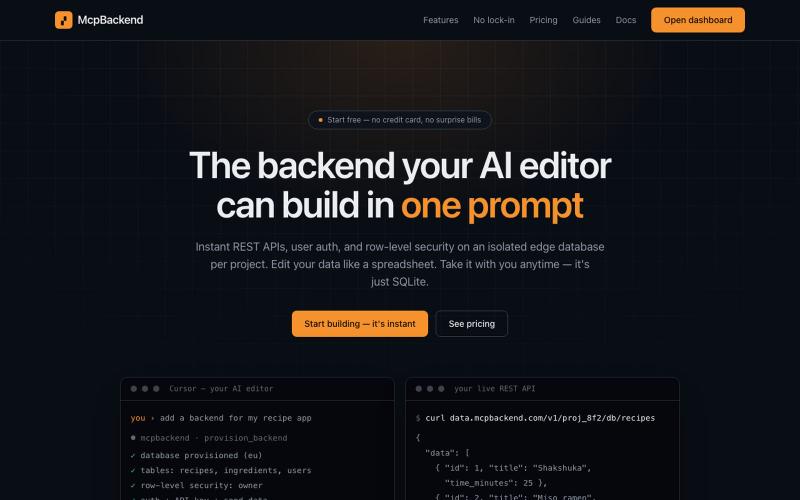
Backend-as-a-service with MCP server, REST APIs, and row-level security for AI apps.
u/bob__io · Reddit
What we learned from trying to turn vibe-coded prototypes into production SaaS applications Founder here. While developing MCPBackend, we noticed a major difference between generating a convincing application demo and building a maintainable SaaS product. AI coding tools are increasingly capable of generating interfaces, routes and even initial application logic. But a production application still needs: a reliable data model authentication and authorization backend validation
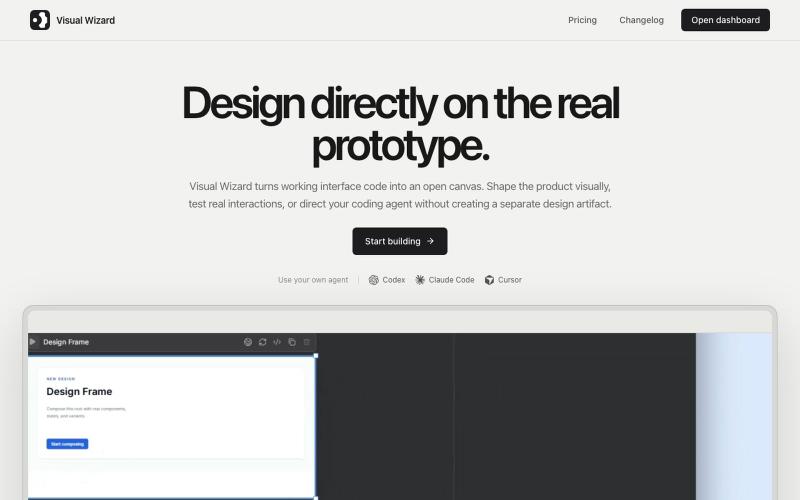
Design working prototypes visually with a coding agent in real-time.
u/tokmako · Reddit
I am developing an alternative work environment to Claude Design. When I first tried Claude Design, I really liked the idea. But after generating a design, I kept wanting a more direct way to continue working on it not as a separate design representation, but as a live, working interface. That’s what I’m building with VisualWizard. The canvas contains real, interactive prototypes. You can select elements directly, move or resize them, change styles, and keep interactions and
Build and preview AI apps with real backends and model choice.

@SanikaSurse · X
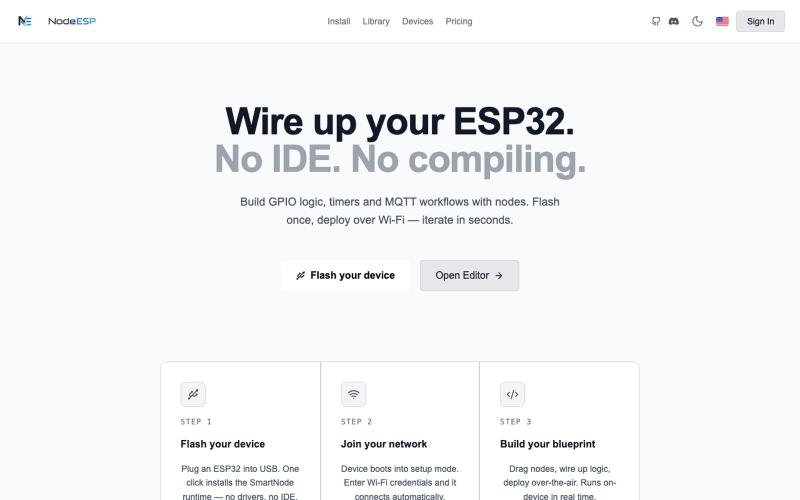
Visual node-based programming environment for creating GPIO logic and MQTT workflows on ESP32 devices.

@NodeESP · X
- Project for sale
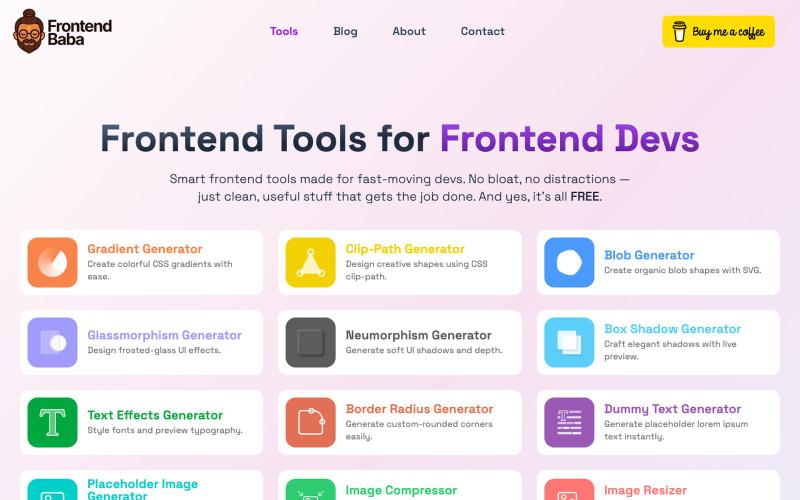
Free frontend developer tools for CSS generation, image compression, and more.

@iamdeepak89 · X
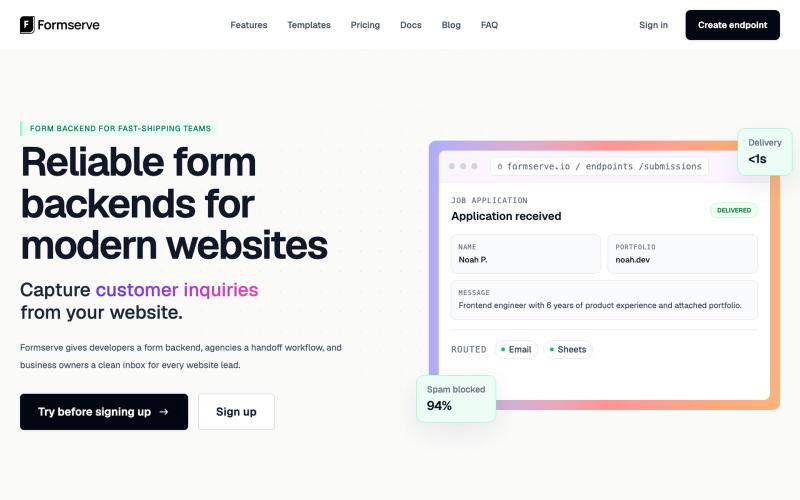
Form backend for static sites and AI launches that captures submissions and routes them to your tools.

@AbhilashVeettil · X
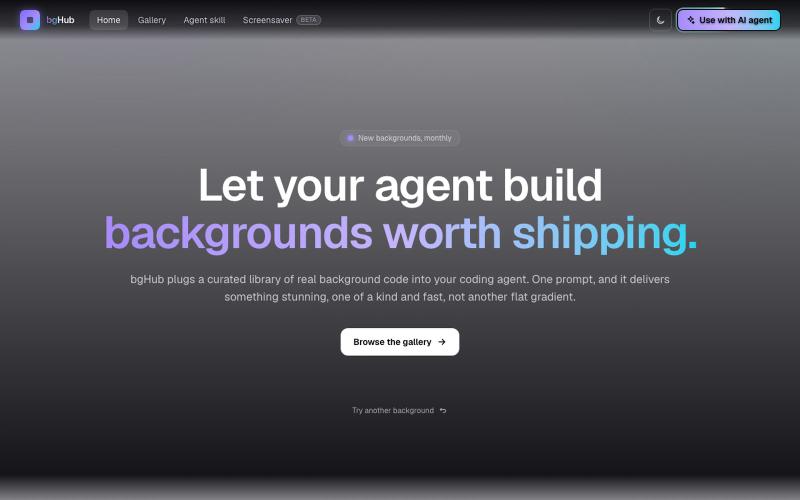
A curated library of animated web backgrounds in CSS, Canvas, Three.js, and GLSL.

@thaipham278 · X
Just shipped bgHub 🚀 A small UI library focused entirely on backgrounds for vibe coding. AI can generate backgrounds, but it often misses the vibe, bgHub is a curated collection of ideas that actually look good. 🆓 Completely free Check it out:
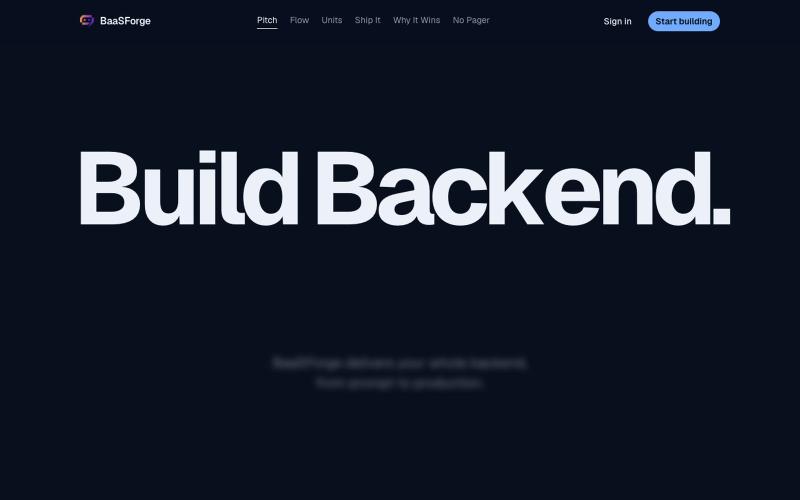
Turn natural language descriptions into production-ready backend APIs and services.
u/yousefemz · Reddit
18 months ago we weren't sure it was possible. Today we launched it. We kept asking ourselves one question for a year and a half: can an AI actually design a scalable backend from a description of how it should behave, not demo-ware, something that holds up in production? We didn't know. Some weeks it felt like the answer was no, or that we'd end up with code that looks right and falls apart the second real traffic hits it. We just launched it. You describe how your backend should behave,
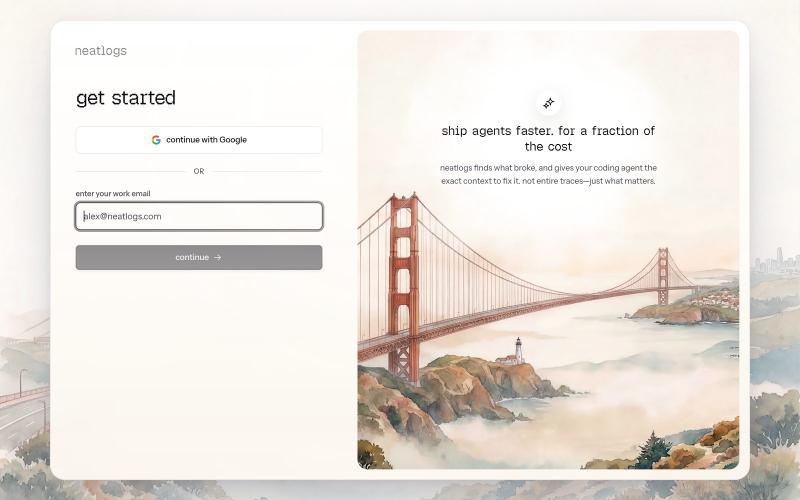
Debug and monitor AI agents with real-time visualization and performance analytics.
@simranrambles
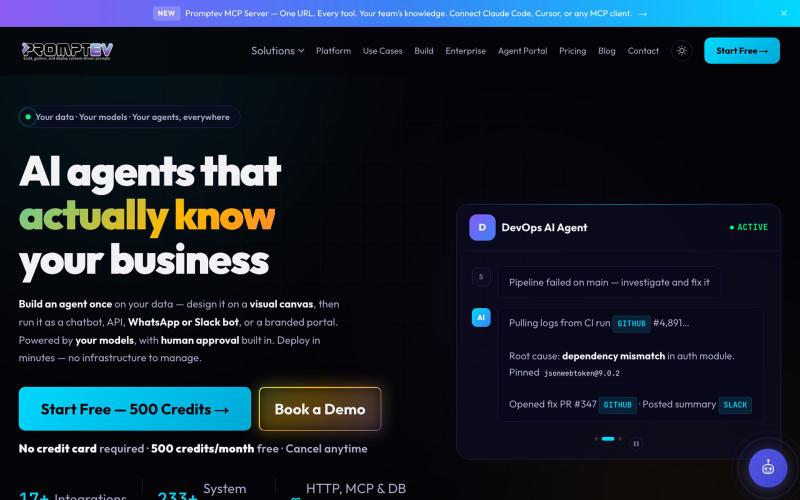
Build production-ready AI agents using a visual canvas interface.

@salmanzafar949 · X
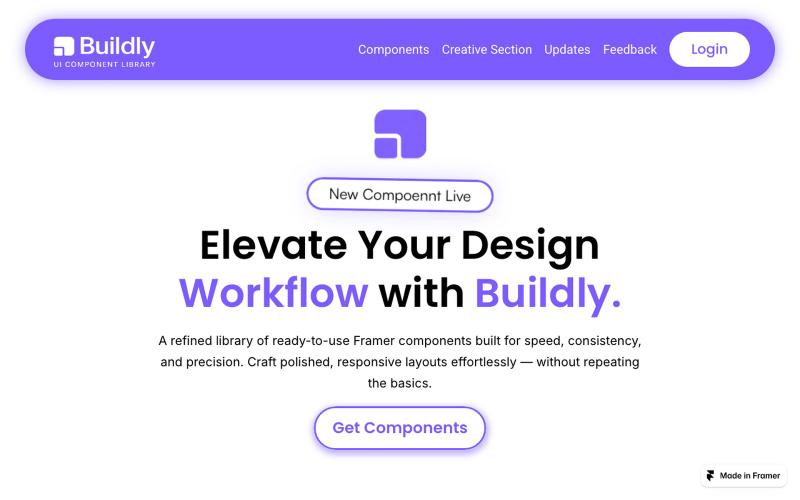
A curated library of reusable UI components built with Framer.

@buildlylibrary · X