
Developer Tools1 month ago
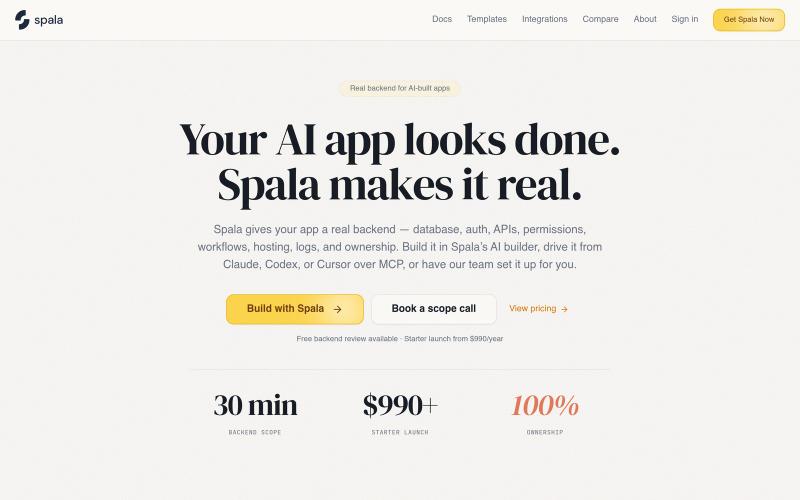
Spala — Visual Backend Logic for AI-Built Apps
Visualize and deploy AI-generated backend code as a verifiable logic layer you can understand and own.

@SpalaAi · X
The full gallery
Tech stack
60 projects
Visualize and deploy AI-generated backend code as a verifiable logic layer you can understand and own.
@SpalaAi · X
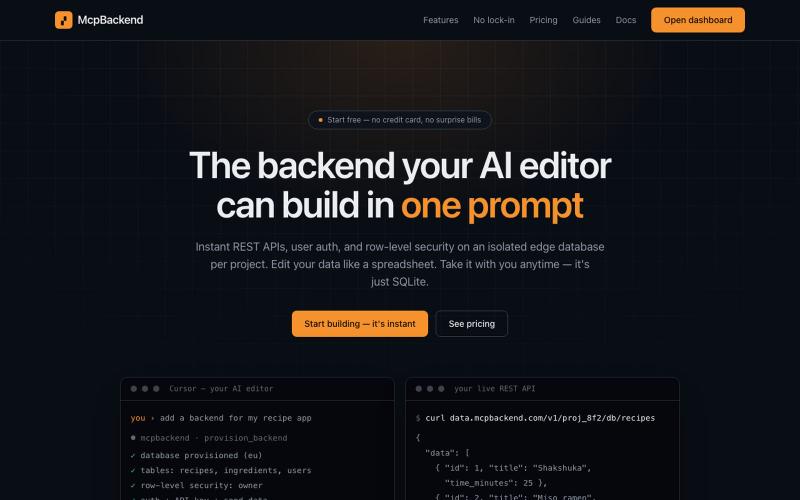
Backend-as-a-service with MCP server, REST APIs, and row-level security for AI apps.
u/bob__io · Reddit
What we learned from trying to turn vibe-coded prototypes into production SaaS applications Founder here. While developing MCPBackend, we noticed a major difference between generating a convincing application demo and building a maintainable SaaS product. AI coding tools are increasingly capable of generating interfaces, routes and even initial application logic. But a production application still needs: a reliable data model authentication and authorization backend validation
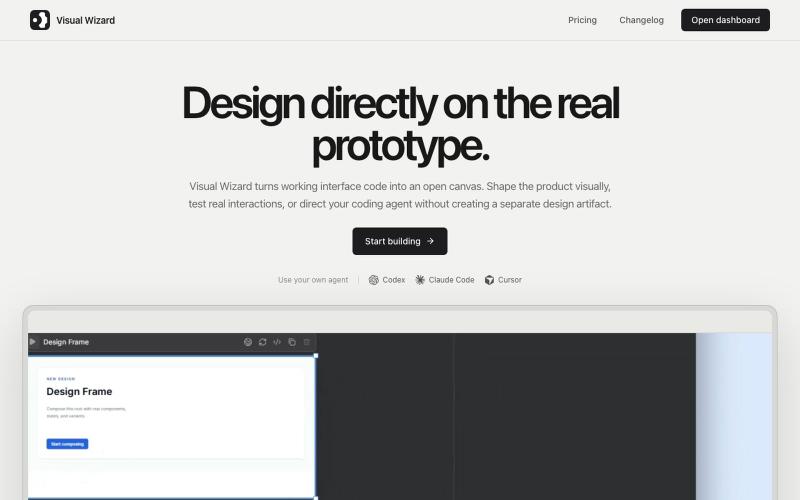
Design working prototypes visually with a coding agent in real-time.
u/tokmako · Reddit
I am developing an alternative work environment to Claude Design. When I first tried Claude Design, I really liked the idea. But after generating a design, I kept wanting a more direct way to continue working on it not as a separate design representation, but as a live, working interface. That’s what I’m building with VisualWizard. The canvas contains real, interactive prototypes. You can select elements directly, move or resize them, change styles, and keep interactions and
Build and preview AI apps with real backends and model choice.

@SanikaSurse · X
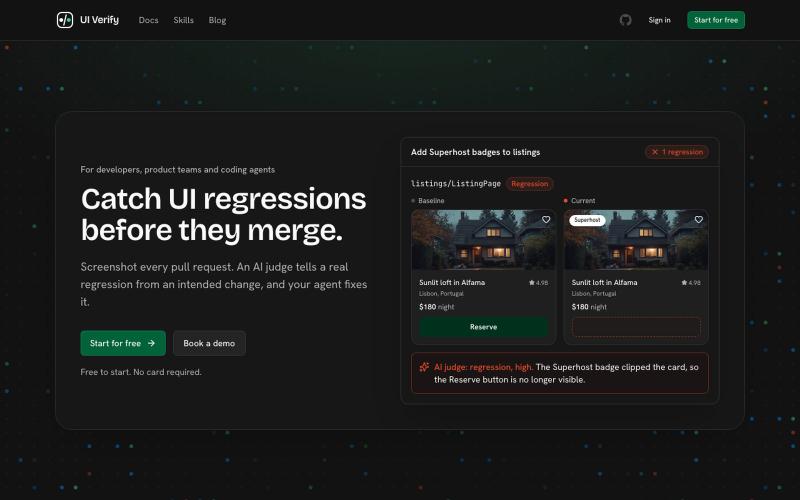
Visual regression testing tool with AI to distinguish intended UI changes from real bugs.

@igorluchenkov · X
Hey Yuhao! Been running a lot of agents while building UI and built a tool for visual testing that integrates nicely with agents and gives your agent a way to make sure it didn't introduce any UI regressions:
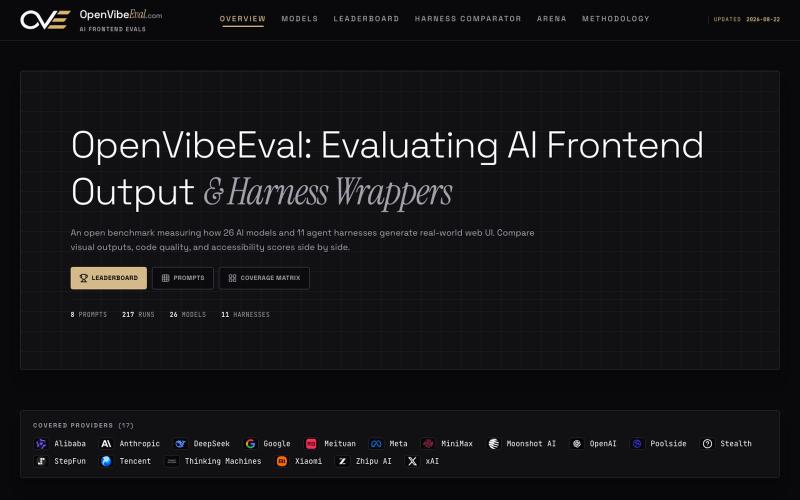
Compare how different AI models generate frontend code and view accessibility scores.
u/12qwww · Reddit
I built a live benchmark to see which AI actually writes the best frontend code Hey everyone! I built OpenVibeEval because I was tired of "vibe-checking" AI-generated frontend code. I wanted to know which model actually produces the most accessible and clean React/Tailwind output. What I built: •A leaderboard of 24 models (Claude, GPT, DeepSeek, etc.) ranked by axe-core accessibility scores. •A Harness Comparator to show how different system prompts change the same model's output. •
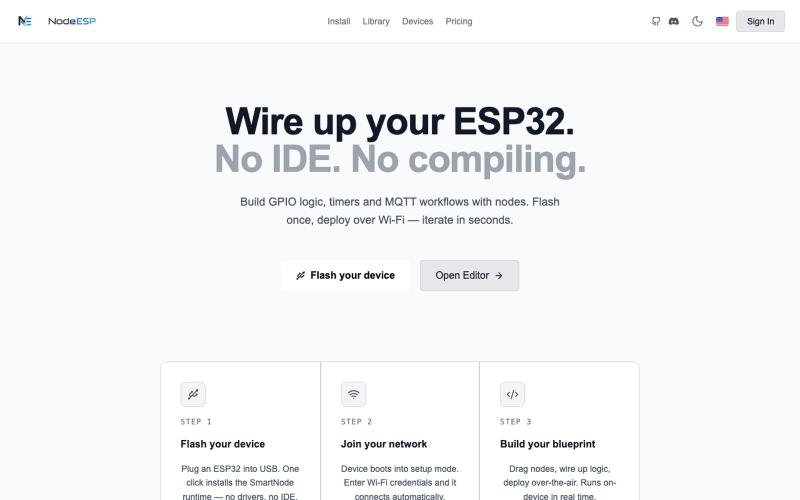
Visual node-based programming environment for creating GPIO logic and MQTT workflows on ESP32 devices.

@NodeESP · X
- Project for sale
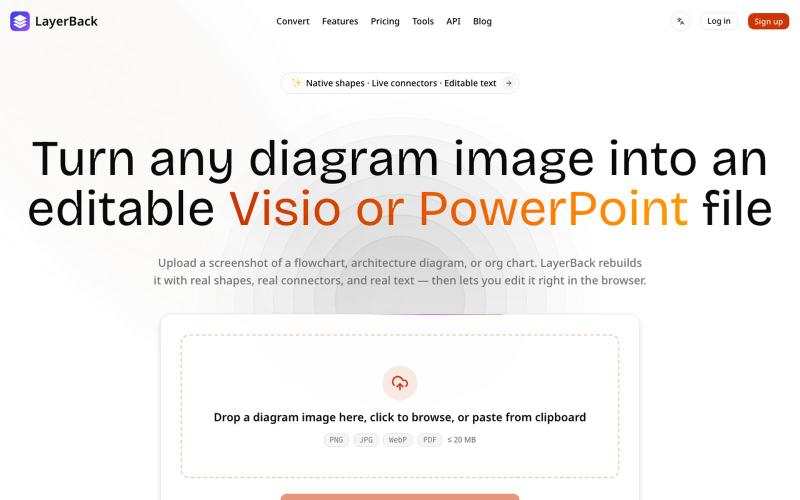
Convert image diagrams into editable Visio, PowerPoint, or draw.io files.

@ChenDavie_AI · X
Just shipped a new LayerBack update 🚀 Turn screenshots, photos, and diagram images into editable Visio or PowerPoint files — directly in the browser or via API. Image in. Editable files out. #buildinpublic #AI #SaaS
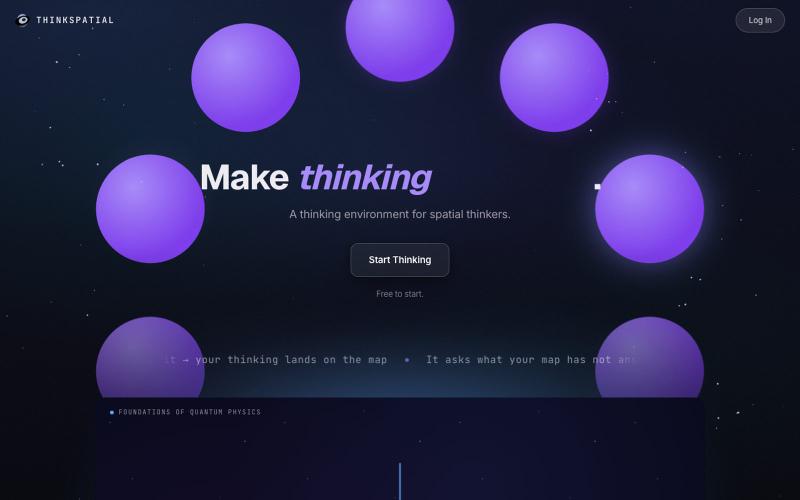
Organize thoughts into visual maps that extract key insights and transform them into documents and presentations.
u/shadowosa1 · Reddit
I rebuilt my landing page after 300+ visitors still didn’t understand what my app does. I’ve been building a spatial thinking environment called ThinkSpatial, and one of the hardest parts hasn’t been building the product. It’s been explaining what it is in the first few seconds. The basic idea is simple. You speak or type, and your thinking gets turned into a visual map instead of disappearing into a chat box, doc, or note-taking app. My first landing page was way too focused on showing h
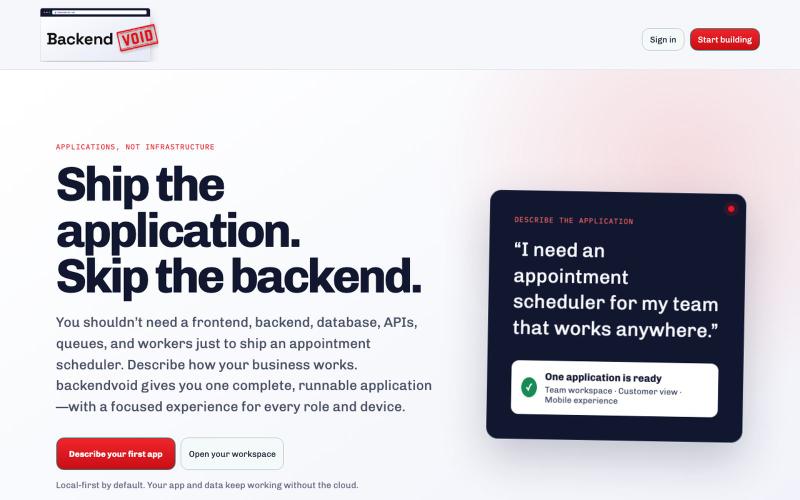
Turn business processes into portable apps your team can use.

@facinatedbytech · X
Business applications, multiple projections, with optional backend.
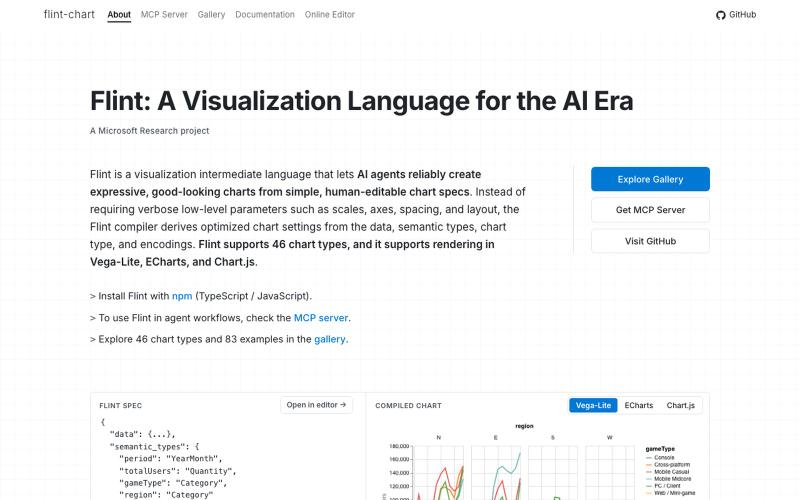
A visualization language designed for AI agents to create and interact with charts.
chenglong-hn · HN
Data visualizations are the bridge between user and data. But building AI agents that can generate visualizations reliably can be very tricky: - simple chart specs can be reliable, but generated charts are often of low quality due to reliance on system defaults; - complex chart specs with explicit details can produce good-looking charts, but they are verbose and agents can struggle with reliability We figured out it is a limitation on the language issue (not just AI capability thing) -- current visualization languages are a bit too low-level for AI agents, requiring them to explicitly make visual decisions that are supposed to be handled by a good compiler. Flint is a visualization intermediate language to address this issue, allow AI agents to solve this last-mile human-agent interaction problem. It provides a simple semantic-type based specification, and contains a layout optimization engine that can produce good-looking charts (filled with derived low-level details) from simple
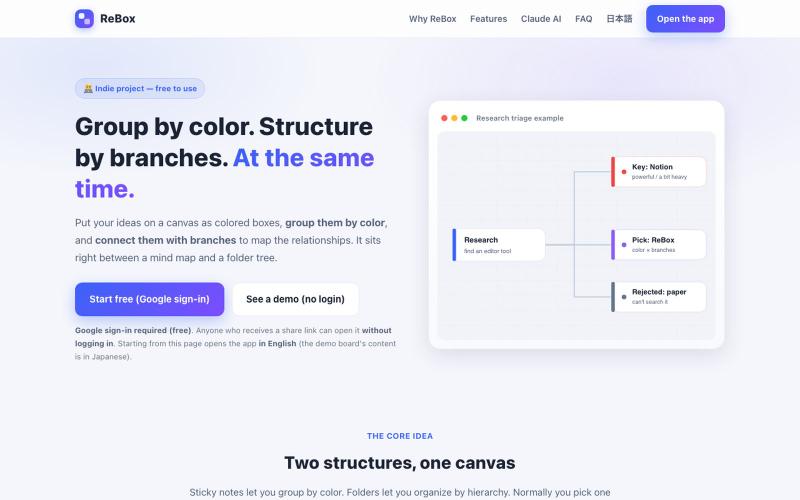
Create visual boards that group ideas by color and structure them with branches, then share without login.

@shiftibis · X
Indie project 📝 ReBox: visual boards where color = group and branches = a file tree — both at once. Share links open without login (anyone with the link can edit). A Claude connector builds boards for you. English UI just shipped. #buildinpublic