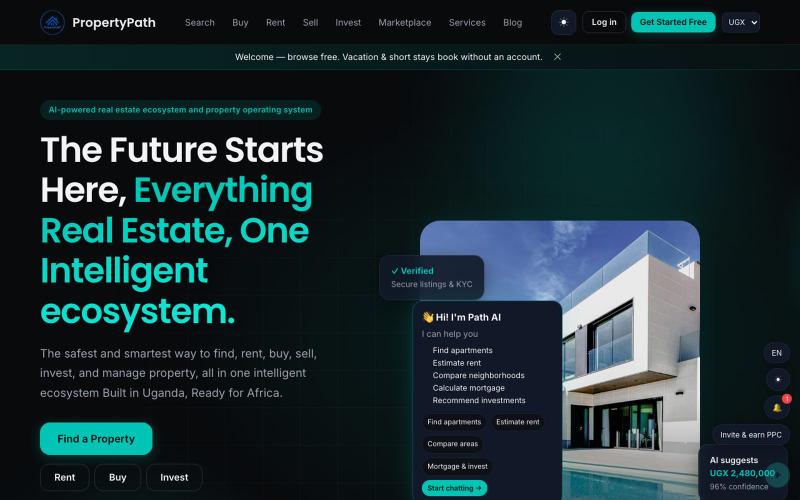
PropertyPath | AI-Powered PropTech Ecosystem
PropertyPath is the AI-powered real estate ecosystem and property operating system, enabling people and businesses to discover, transact, manage, and grow through one intelligent p
@KasoziAK · X
The full gallery
Tech stack
21 projects

PropertyPath is the AI-powered real estate ecosystem and property operating system, enabling people and businesses to discover, transact, manage, and grow through one intelligent p
@KasoziAK · X

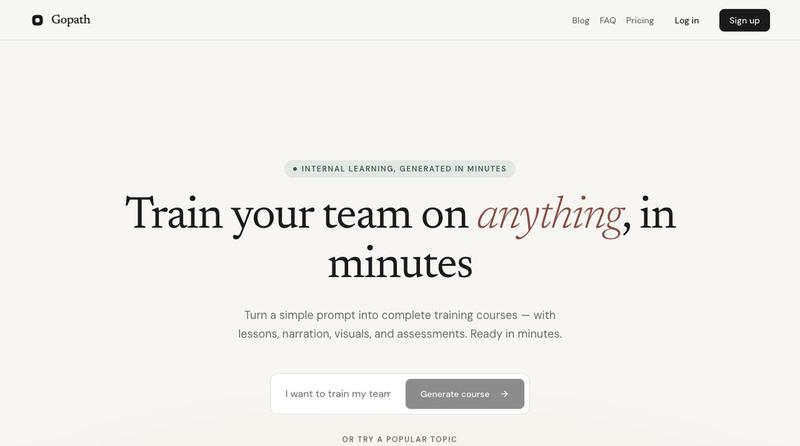
Generate AI-powered micro-courses and assign them to your team to track progress.
@GetGoPath · X
Hi Jana, we're building a learning platform that helps employers train their staff. A simple prompt generates a full blown course that easy to understand and can be listened to on the go. Try it for free and give your feedback please

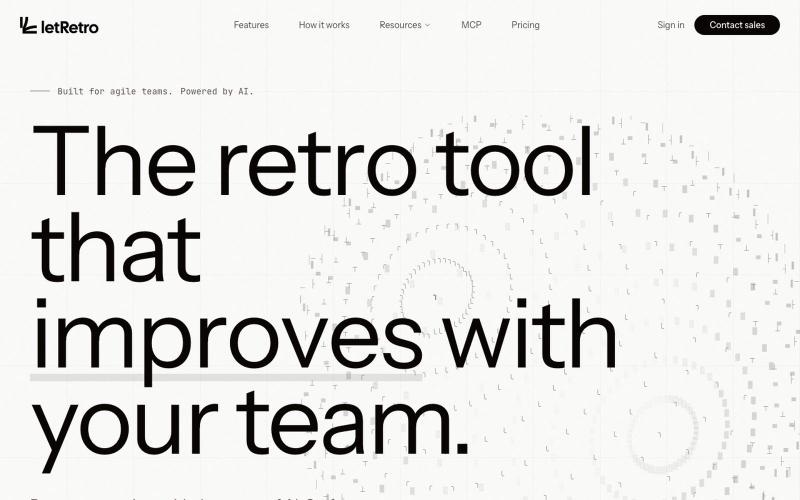
AI-powered retrospectives for IT teams that connect to your tools and identify improvement patterns.
@akadhanu · X
an ai sprint retrospectives for it teams (

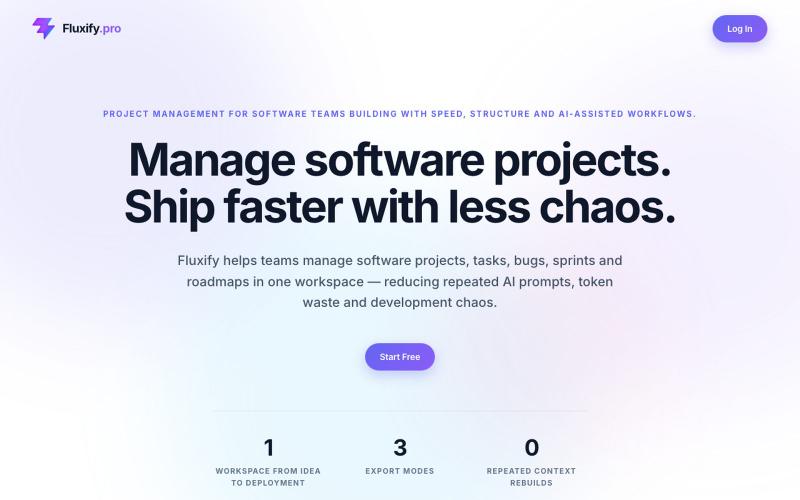
Organize projects, tasks, bugs, sprints, and roadmaps in one workspace with AI context exports.
@Fluxify_pro · X
everyone who sign up today, get free pro plan, without credit card

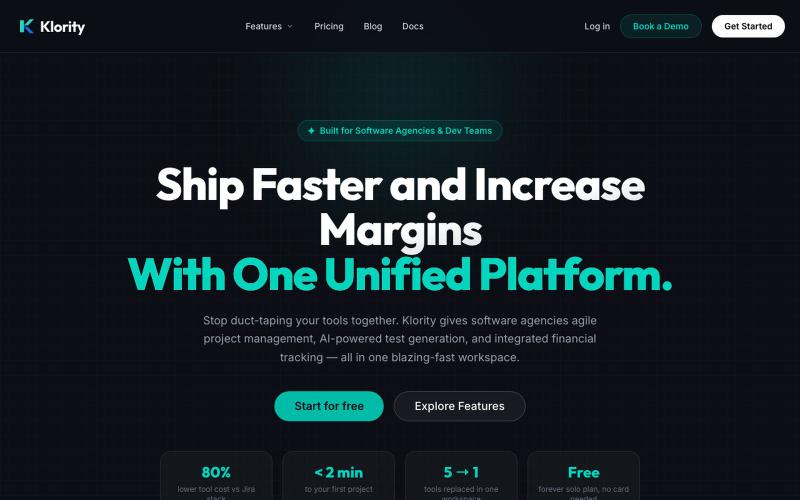
All-in-one workspace for project management, documentation, and test management.
@klorityx · X
One workspace for project management, documentation, test management & CRM. Enterprise features without enterprise pricing.

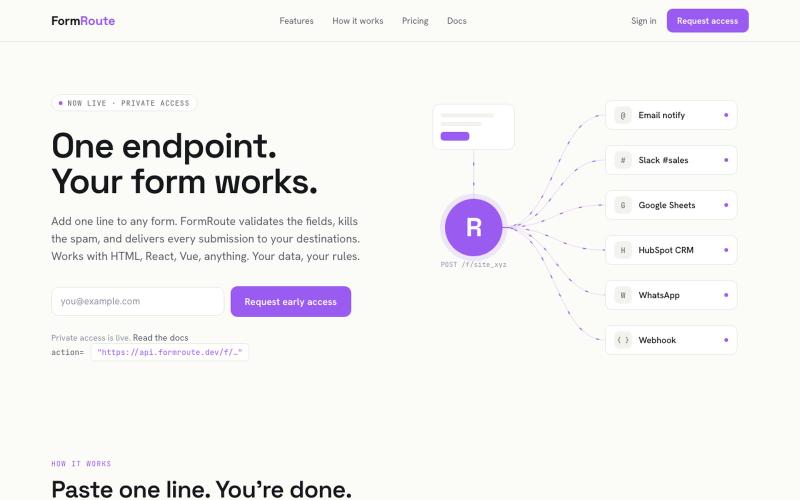
Add form handling to any website with validation, spam blocking, and intelligent lead routing—no backend required.
@evcodebr · X

@zdogmode https://t.co/Cdk9FF9iPM - This is a tool I built and was really useful for my own projects, so I made it available.
@tpacker · X
- This is a tool I built and was really useful for my own projects, so I made it available.

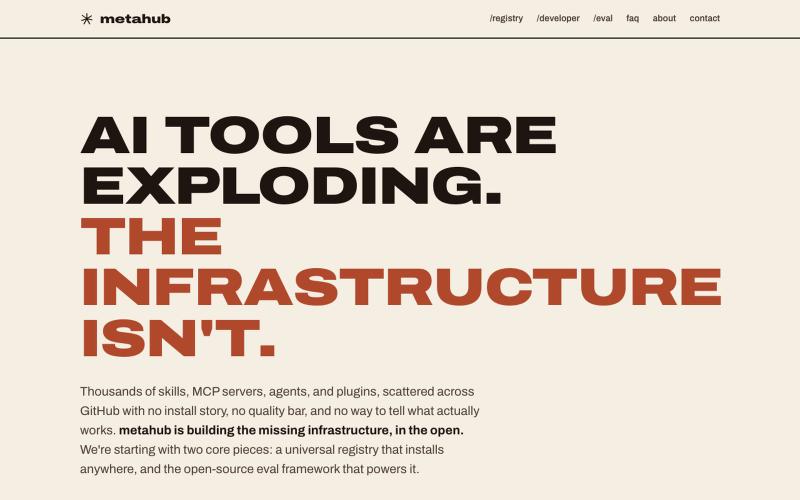
Open-source ecosystem for discovering, evaluating, and publishing AI tools with a sandboxed testing framework.
@BobbySBX · X
We just dropped Assay v0.2.6, the open source evaluation engine powering Most registries judge an AI tool by its README. We built Assay to actually run skills, MCP servers, and plugins inside isolated sandboxes with live models to observe what they do before you install them. What is new in v0.2.6: - NVIDIA API Catalog provider: Native support is here, allowing you to use NVIDIA driver and judge models to run behavioral benchmarks and multi-tier audits. - Zero runtime dependencies: Still a self-contained ~240 KB tarball that speaks directly to @nvidia , @AnthropicAI , @OpenAI , @OpenRouter , and local HTTP endpoints without SDK bloat. - Adversarial and static checks: Out of the box verification against prompt injection, tool scope creep, destructive shell commands, and supply chain drift. Every tool on is tested through Assay. That means 4,200+ skills, MCP servers, and plugins are commit-pinned, graded on actual runtime behavior, and rea

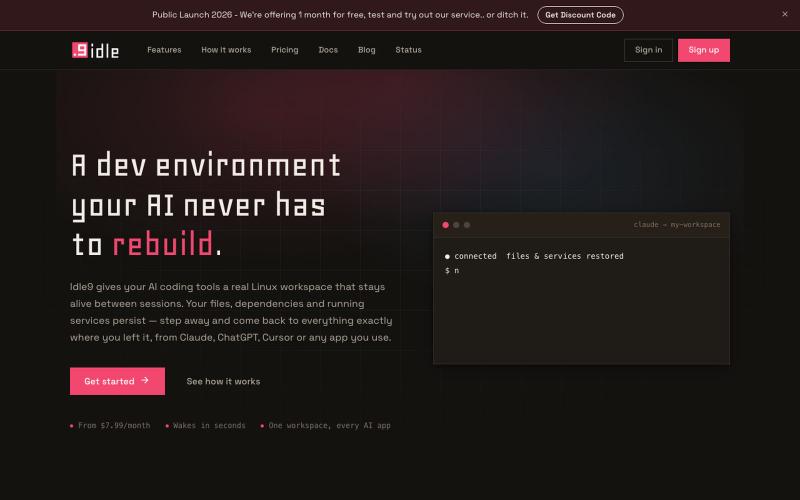
Linux workspace for AI coding tools that persists files, dependencies and services across sessions.
@SeagerCortez · X

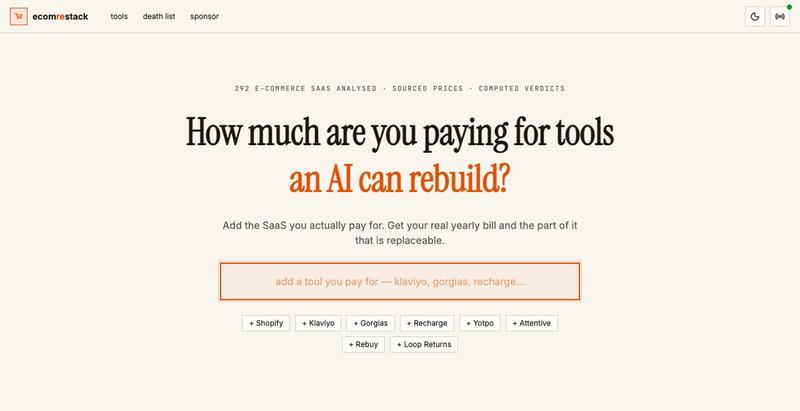
Browse e-commerce SaaS tools and identify which can be rebuilt with AI in one prompt.
@andreasacca · X
Inspired by @robj3d3’s that went viral last week. Over the past year working with ecommerce brands I kept hearing: “I only use 10% of this SaaS and I’m paying hundreds for it.” So I built the Ecommerce focused version: 200+ tools analysed. Honest verdicts on what you can realistically vibecode. Vibecoded entirely with @Lovable + some fixes, starting from the prompt taken from First detailed analyses coming soon. Reply with the tool you pay for every month. Thanks @robj3d3 for the inspiration! Loving X

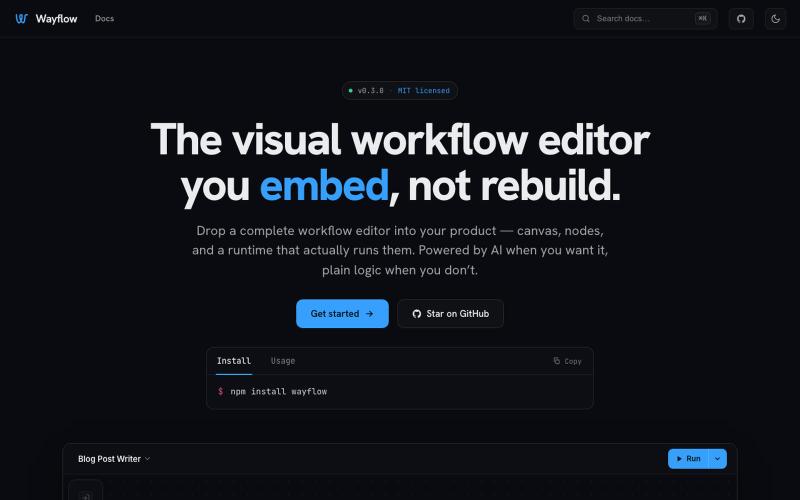
Embeddable visual workflow builder for web apps with optional AI assistance.
tahazsh · HN
Hi! I’m Taha. In many agentic products that support workflows (including one I worked on), I noticed they either don’t support node-based editors, or use React Flow and go through the difficult work of integrating it into their product to run it and work with their existing logic. So I thought about creating a tool that could help with this by closing the gap between the editor and the runtime. That’s why I created Wayflow. The basic architecture is simple: you just need to create a graph (which is a JSON object) that the runtime knows how to run. The runtime doesn’t care where that graph is coming from, it just needs the right schema. And with the help of the editor, you can create the graph, and then export it or directly save it on your backend in your database. And then when you want to execute it, you just hand it to the runtime. The runtime can either stream the execution (which is useful for the editor), or give you the final result. How you execute the graph is up to you: t

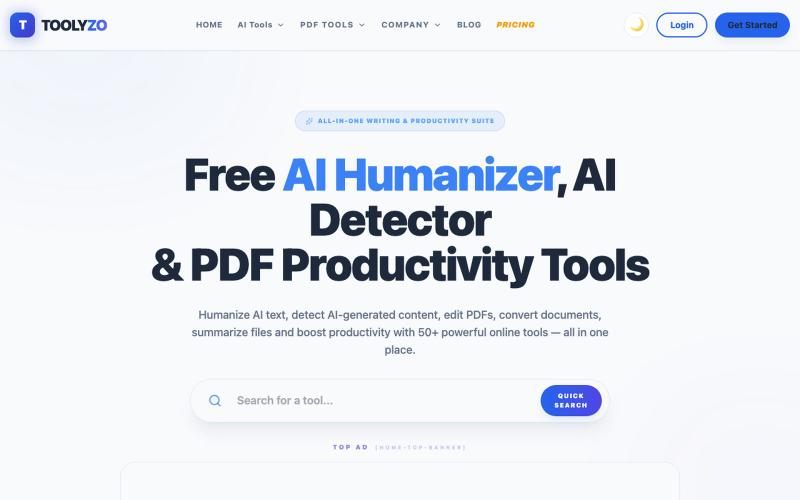
Humanize AI writing, detect AI content, and process PDF files without signing up.
@varu_jigar · X
Building Toolyzo — an all-in-one AI productivity hub. ✅ AI Detector ✅ AI Humanizer ✅ PDF Tools ✅ Resume Builder Coming soon: Coding AI Agent AI Image Detector Watermark Remover ...and more. No signup required for most tools. 🌐