
Finance & Business3 weeks ago
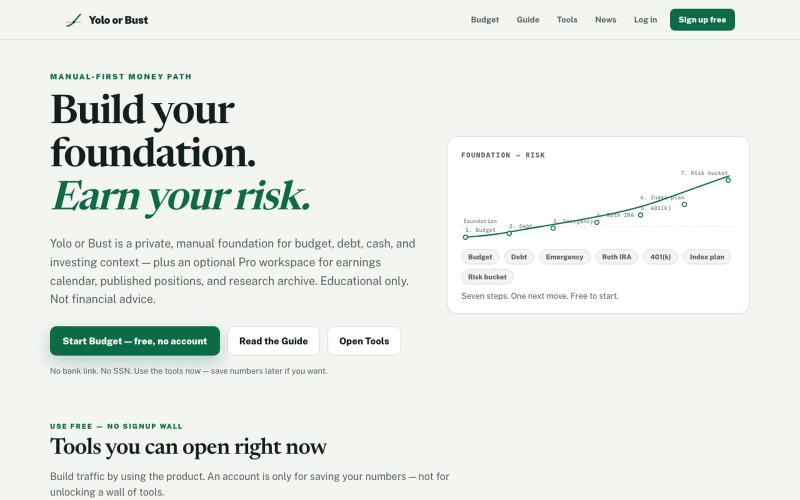
Build your foundation. Earn your risk. | Yolo or Bust
Manage your budget, debt, cash, and investments with a manual-first personal finance platform.

@YoloBust · X
free financial education for the people
The full gallery
Tech stack
22 projects
Manage your budget, debt, cash, and investments with a manual-first personal finance platform.
@YoloBust · X
free financial education for the people
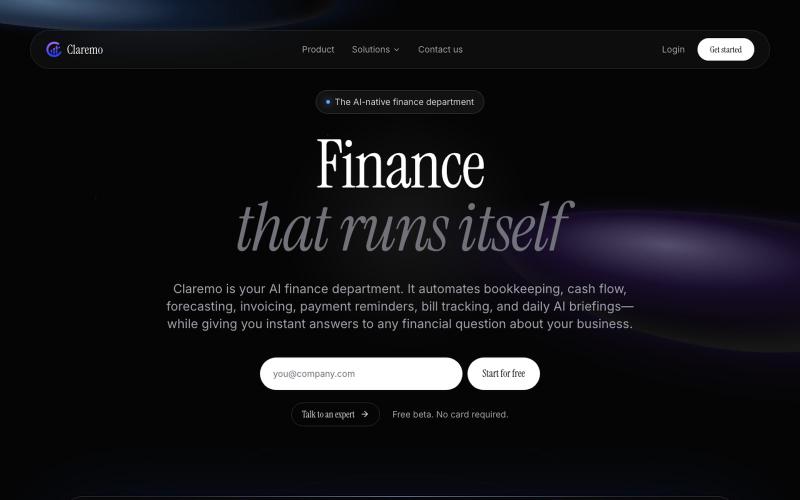
AI financial automation for bookkeeping, forecasting, invoicing, and daily business summaries.

@ClaremoAi · X
Im building an Al finance department that automates bookkeeping, cash flow, forecasting, invoicing, taxation, and gives founders instant answers about their business using live financial data.

AI financial coach offering personalized guidance on investment strategy, tax planning, and retirement.
eignerchris_ · HN
I'm converting an AI-powered Finance app I built for my wife and I into a more feature-rich product: https://www.heyalistair.com
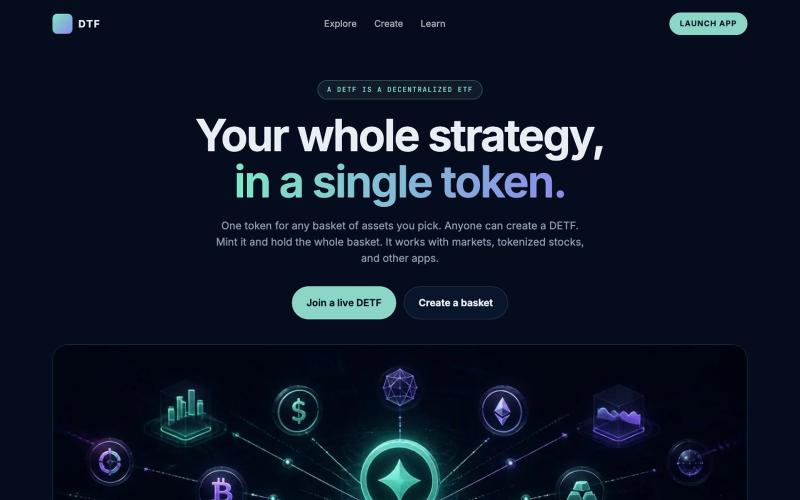
Build custom decentralized ETF baskets with a DeFi lego protocol.

@A9dengbo · X
Down to Finance($DTF)深度投研报告 报告日期: 2026年8月29日 研究对象: Down to Finance(官网: ,官推:@downto_finance) 代币合约地址: 0xeE5576Fa1Bcaa380e591D01245f406f3f384eb01 一、一句话结论 Down to Finance(简称 DTF)不是又一个"发币拉盘"的项目,它是想把 2021 年那套曾经很火、后来被骂"庞氏"的 Olympus DAO 玩法,改造成一个任何人都能自己搭"篮子"的乐高工具。 简单说:Olympus 当年只做了一个产品(OHM 这一个"币")。Down to Finance 想做的是一套基础设施,让别人也能照着 Olympus 的玩法,自己攒一个"篮子"出来。 二、它到底在做什么 核心概念叫 DETF(去中心化 ETF)。 你可以把它理解成:把股票市场里"一篮子资产打包成一个基金份额"这件事,搬到链上、用智能合约做,而且谁都能自己建一个篮子。 官网上的说法是:挑一个篮子,一笔交易就能拿到整个篮子里的资产。你不用自己一个个去买、去配置,持有这一个代币,市场就会替你管理这个篮子。 三个核心动作: Mint(铸造):花稳定币换一个 DETF 代币,你的钱就被分配到篮子里的各个仓位。 Hold(持有):拿着这一个代币,底层仓位自动帮你运转。 Bond(锁仓):把钱锁进去,这是启动一个新 DETF 的第一步。 三、为什么说它是"Olympus 重启" 1. 任何人都能自己部署一个 DETF(不像 Olympus 只有一个官方 OHM) 2. 储备金和市场流动性是绑在一起的 3. 供给扩张(也就是当年 Olympus 那套疯狂增发机制)可以开,也可以关 4. 不搞"天文数字 APY"叙事(这点是刻意在撇清和 Olympus 当年那套 7000%~200000% APY 的关系) 5. 参数上线后就锁死,不能随便改 6. Bonding(债券认购)换来的不是简单的折价代币,而是锁定的 LP 头寸 7. 可以接入市场实时价格来做铸造/销毁的定价 简单理解为:Olympus 当年最大的争议就是"发新币发疯了、APY 全靠印钱",这套东西看起来是想把 Olympus 的"协议自有流动性"这个真正有价值的设计留下

Financial infrastructure for AI agents with wallets, spending limits, and audit trails.

@DeboJolaosho · X
Building Valta- financial controls for AI every agent its own wallet, spending limits, audit trail, and kill switch. Still in free beta.
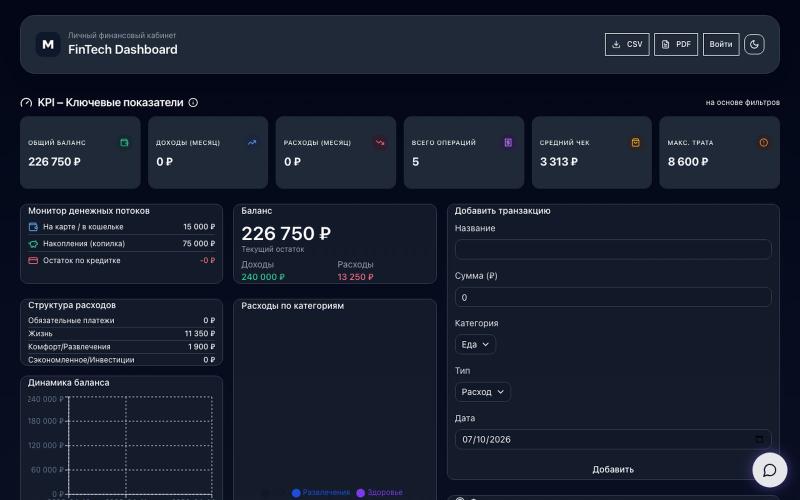
Track personal finances with AI-powered analytics for budgeting and goal management.
Elias569 · GitHub
fintech-dashboard fintech dashboard for personal finance management which track income and expenses, leverage AI-powered analytics, manage budgets and financial goals, enjoy a dark theme
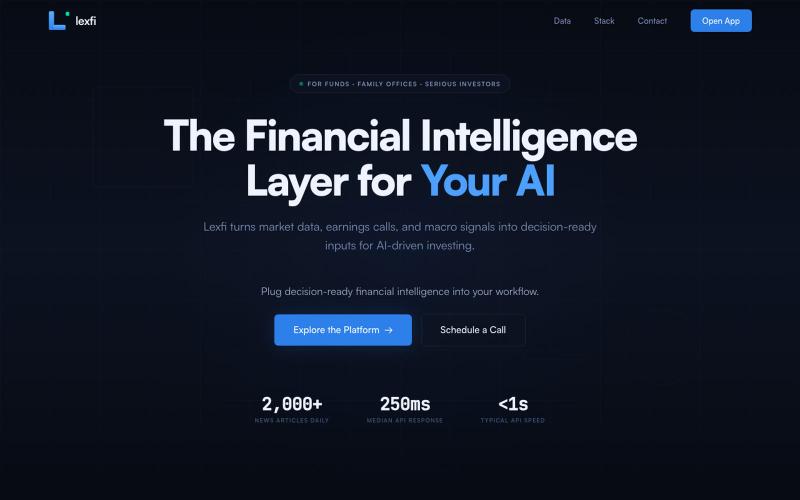
Analyze real-time financial data with AI-powered automated investment insights.

@tonylexfi · X
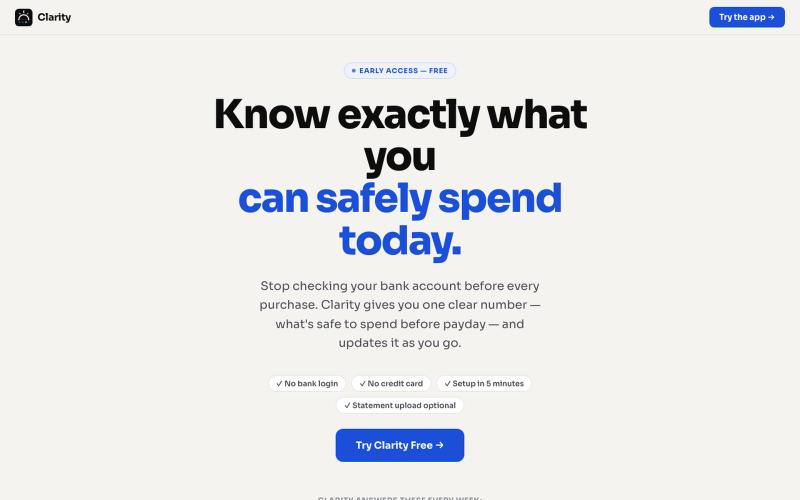
AI financial coach showing how much you can safely spend before payday.
u/simba2k20 · Reddit
Clarity – An AI financial coach What actually brings users back to a personal finance app every week? I’m exploring whether a weekly recommendation, safe-to-spend update, goal progress, or alerts create the strongest retention loop. For people who have built finance or habit-based apps, what worked and what did not? Landing Page: https://clarity-web-seven.vercel.app/landing.html Web App: https://clarity-web-seven.vercel.app/ I’m especially looking for feedback on onboarding, ret
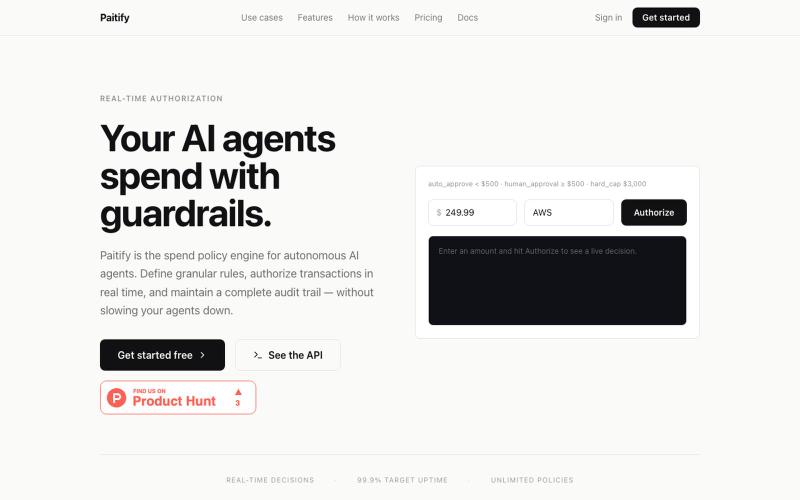
Real-time authorization and policy enforcement for controlling AI agent spending.
rhmnkpc · Product Hunt
Paitify The authorization layer for AI agent spending

Lucid Finance is an AI personal finance app that tracks your net worth, spending, and investments, and shows your Financial Health Score and retirement readiness, all in one place.

@cashhancock1532 · X
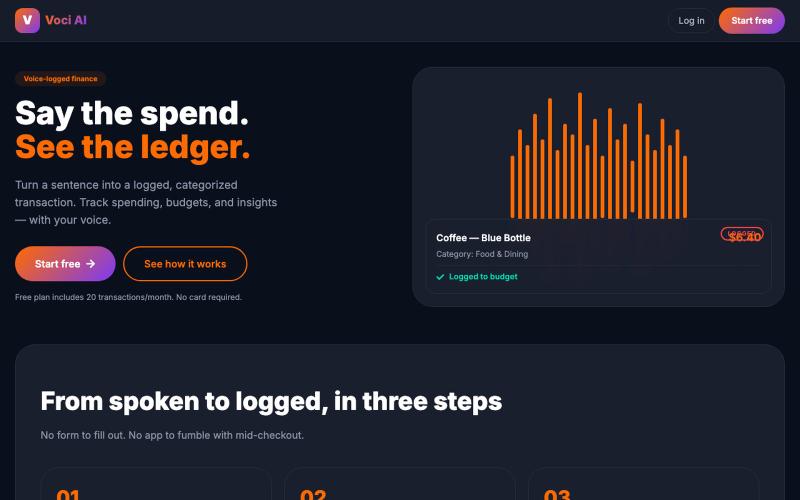
Track your finances with your voice - AI transcribes and categorizes your spending.

@Vociai1 · X
[FOR SALE] Voci ( finance tracker. AI transcribes, categorizes & budgets spoken spending.• Next.js 14 / Groq / Stripe• Serverless ($0 upkeep)Codebase: $2800 via Escrow. DMs open! 💸
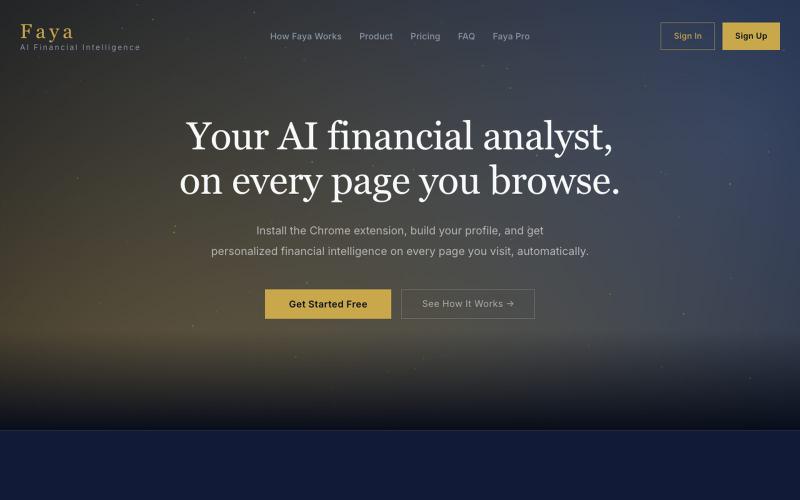
Faya is your AI financial assistant for Zillow, Robinhood, Kalshi, Amazon & more. Get real-time AI insights on every financial decision. Free to start.

@Toshi21E · X
I’d love some honest feedback on The goal is to build an AI financial assistant that actually helps people make better financial decisions. If you have 5 minutes, please check it out and let me know: • Is it easy to understand? • What’s confusing? • What features are missing? • Would you actually use it? If not, why? Please be brutally honest. I’d rather hear the hard truth than empty compliments. Every piece of feedback helps make Faya better.