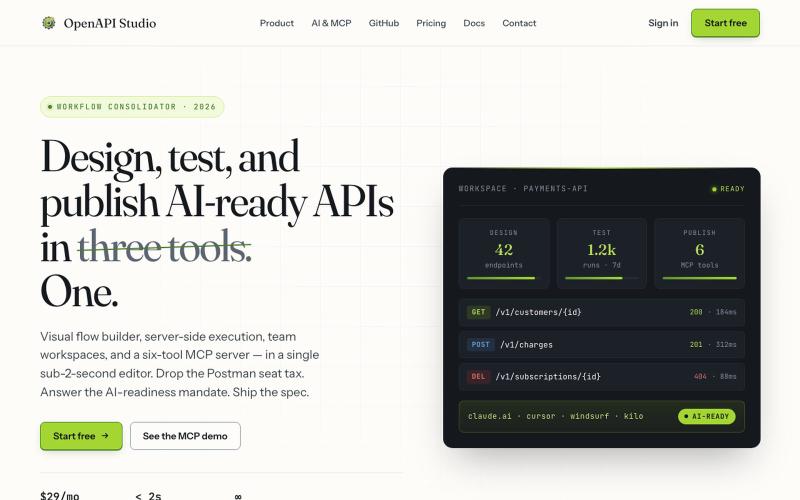
OpenAPI Studio — Design, test, and publish AI-ready APIs
Design and test AI-ready APIs using a visual flow builder with team collaboration.
@milonspace · X
A specification nobody can find is functionally the same as no specification.
The full gallery
Tech stack
23 projects

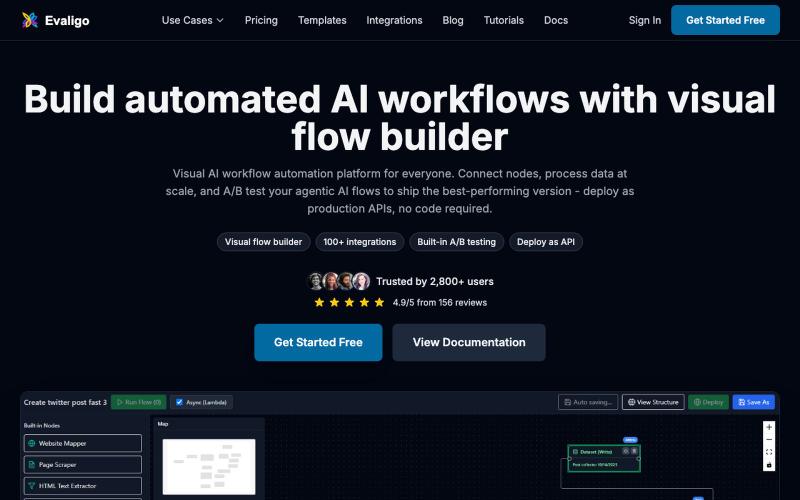
Design and test AI-ready APIs using a visual flow builder with team collaboration.
@milonspace · X
A specification nobody can find is functionally the same as no specification.

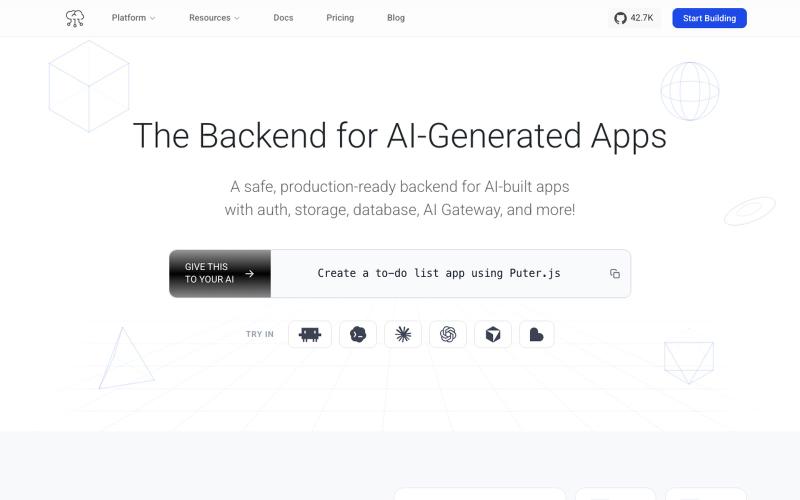
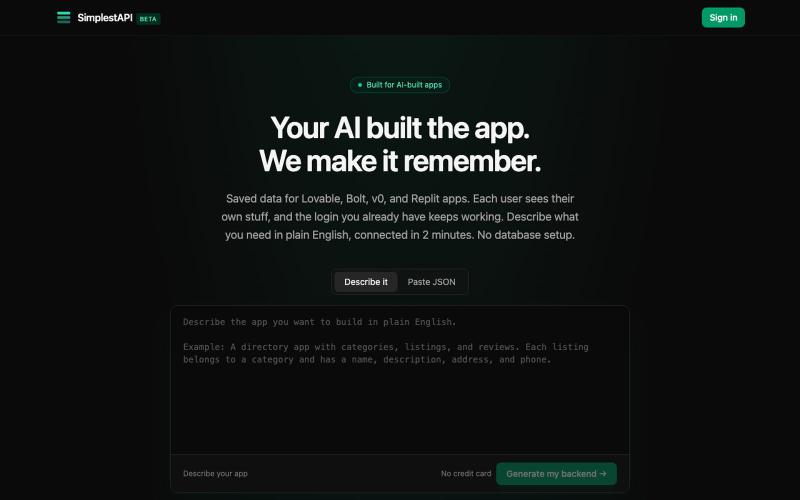
Add data persistence and authentication to AI-built apps in minutes without database setup.
@MuratOnX · X

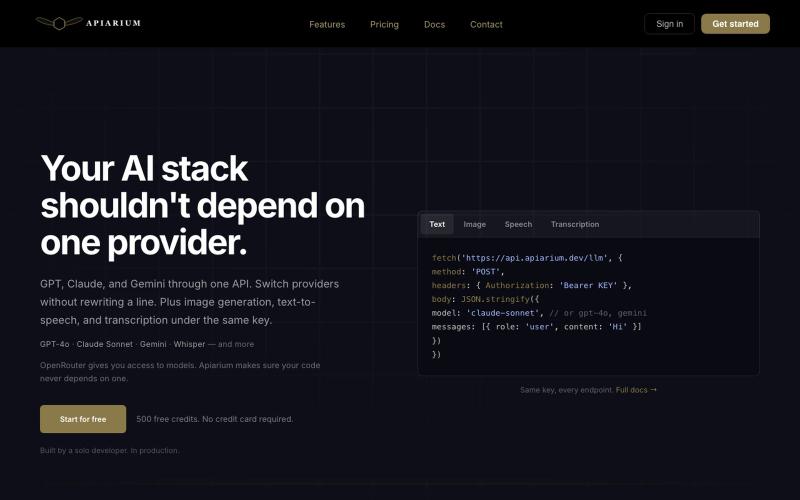
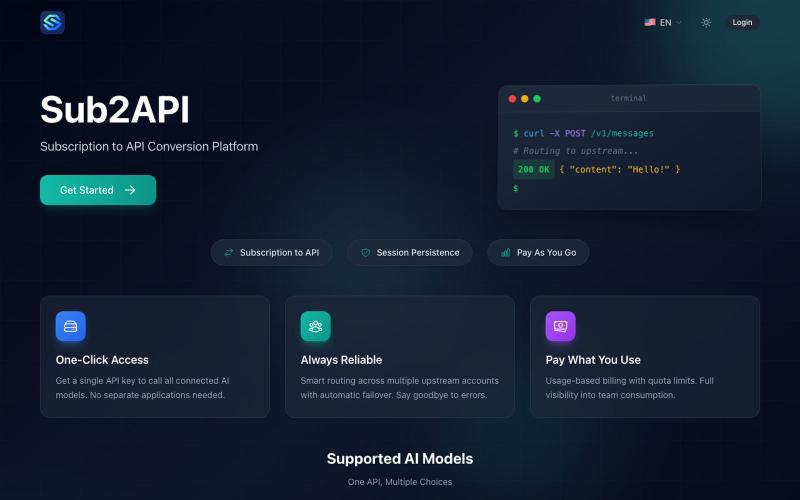
AI API platform offering faster and cheaper alternatives to Claude for developers.
@WebWrightAI · X

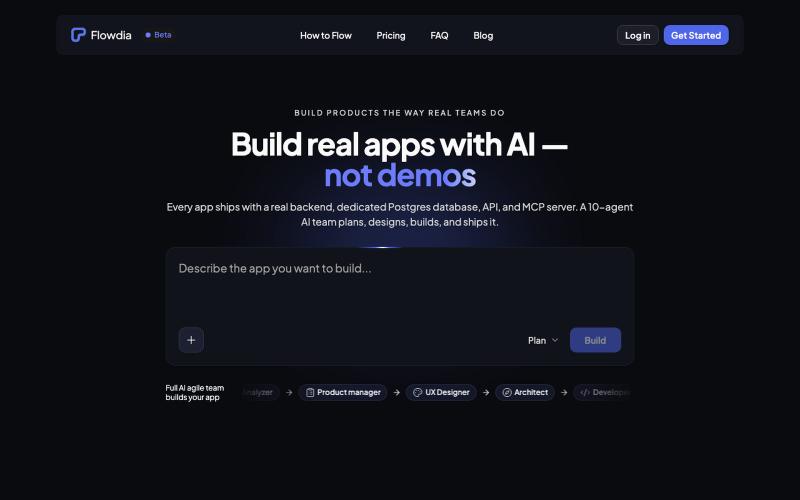
An AI agent team plans, designs, and deploys full-stack applications with real databases and APIs.
@islamtaha · X

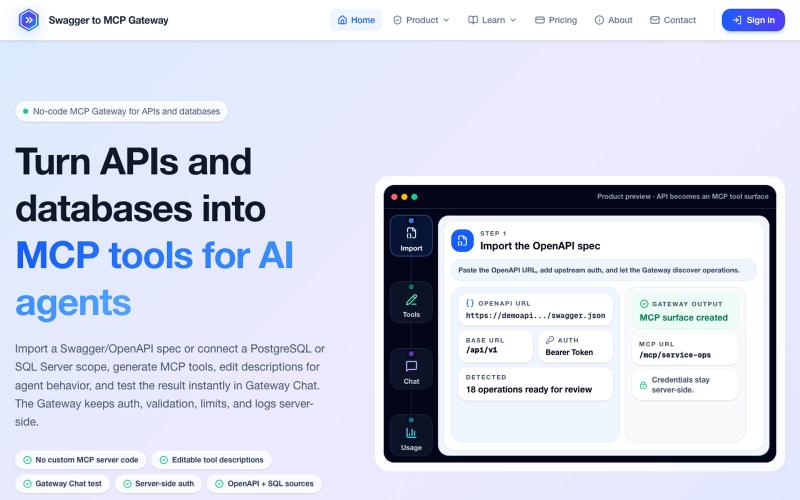
Convert OpenAPI specs and databases into MCP tools without coding.
mhmt_dmr · HN
MCP Gateway – Turn existing APIs and databases into MCP servers

Free local-first API client for HTTP, WebSocket, GraphQL, gRPC, MQTT, and more. No account or cloud required.
@HalxDocs · X
Reqit—a fast, local-first API client for developers.

One unified API to access 200+ AI models including Claude, GPT, and Gemini with auto-failover.
@MixRoute_ai · X

Embeddable visual workflow builder for web apps with optional AI assistance.
tahazsh · HN
Hi! I’m Taha. In many agentic products that support workflows (including one I worked on), I noticed they either don’t support node-based editors, or use React Flow and go through the difficult work of integrating it into their product to run it and work with their existing logic. So I thought about creating a tool that could help with this by closing the gap between the editor and the runtime. That’s why I created Wayflow. The basic architecture is simple: you just need to create a graph (which is a JSON object) that the runtime knows how to run. The runtime doesn’t care where that graph is coming from, it just needs the right schema. And with the help of the editor, you can create the graph, and then export it or directly save it on your backend in your database. And then when you want to execute it, you just hand it to the runtime. The runtime can either stream the execution (which is useful for the editor), or give you the final result. How you execute the graph is up to you: t

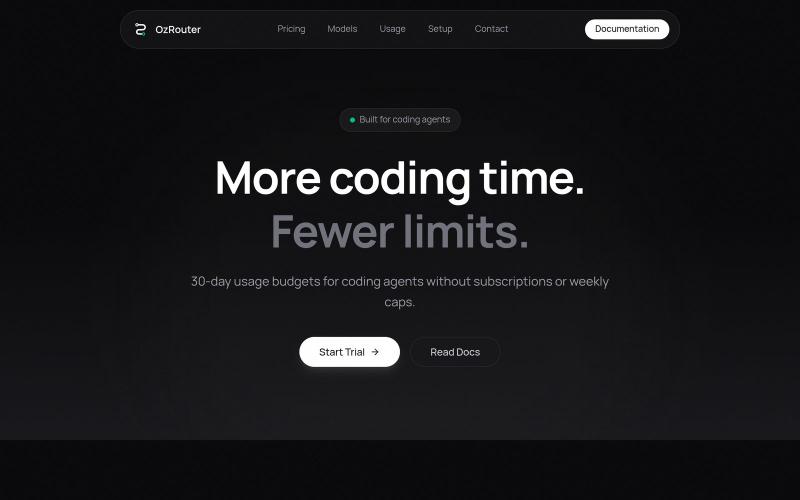
Deploy autonomous coding agents to your repositories and build AI applications with multi-model routing.
@LeeLeepenkman · X
nice im working on lots of AI stuff so right now :)

Apply curated design palettes and typography to your AI-generated website.
@Hamzadevio · X
just shipped. my goal is to help founders add taste to their vibe coded ugly looking apps. (especially the purple gradient, can't see it no more..)

Build apps and websites with AI, no coding skills needed.
@cecond_thoughts · X
Don't know about vercel but a website can have and only have its frontend vibe-coded, and backend not vibe coded but hosted on railway.

Create branded developer portals from API specs and documentation with AI-assisted writing.
@jitendraballa · X