
Developer Tools1 month ago
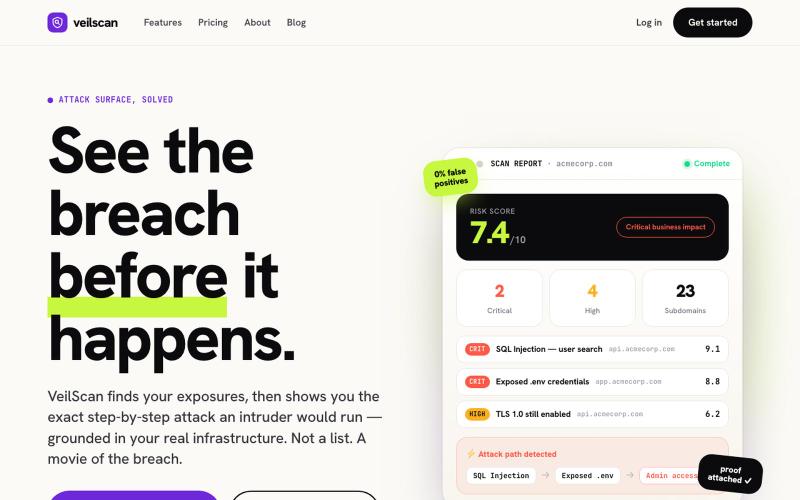
VeilScan — See the breach before it happens
Find exposures in your external attack surface before intruders exploit them.

@OGVeilScan · X
The full gallery
Tech stack
16 projects
Find exposures in your external attack surface before intruders exploit them.
@OGVeilScan · X
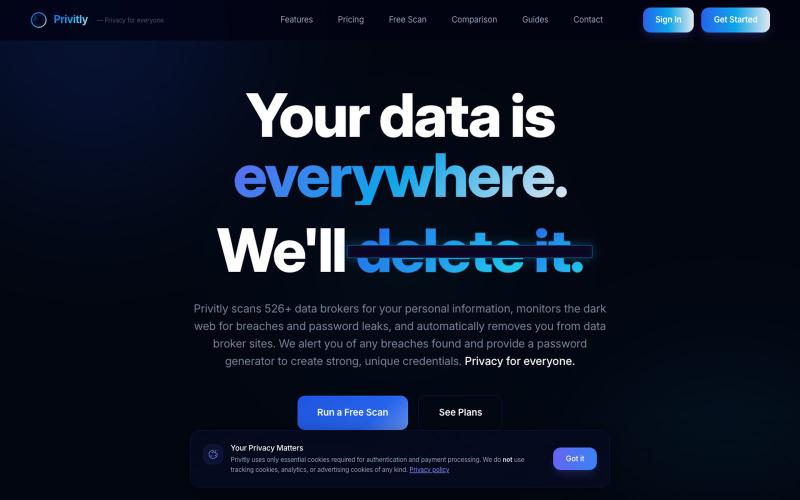
Privitly scans 526+ data brokers for your personal information, automates opt-outs, monitors the dark web for breaches, and removes your data from people search sites. Start your f

@Privitly1 · X
privacy app that covers what similar apps miss for cheaper.
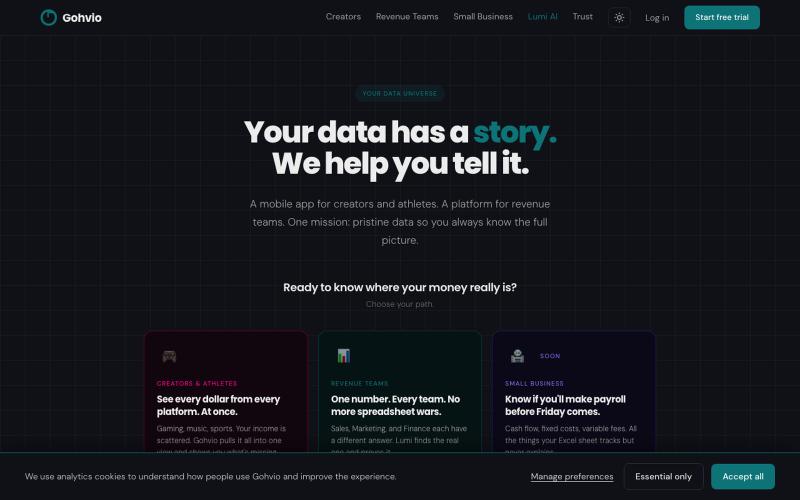
One place to upload, clean, validate, and trust your CRM data. Read-only HubSpot integration. Free trial, no credit card.

@EmilyinBos · X

Partagez vos documents confidentiels, pilotez les accès et suivez l’engagement de vos interlocuteurs avec Seend.

@wtAngat · X
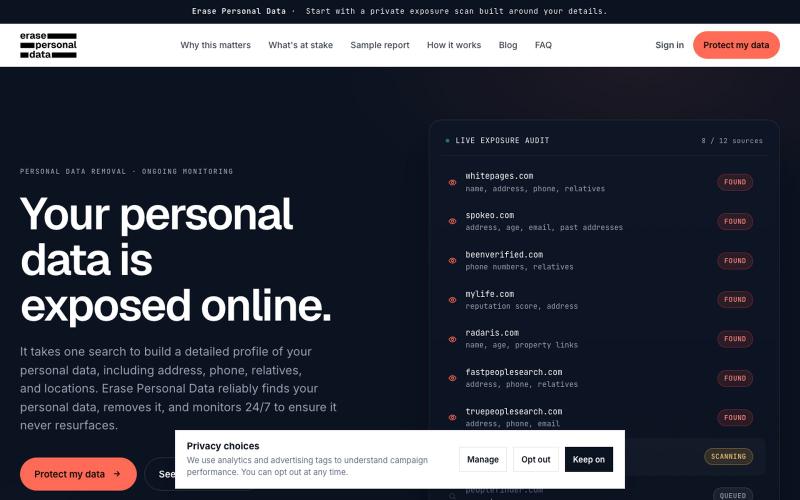
Find and remove exposed personal data like addresses and phone numbers from data brokers.

@erasepersonal · X
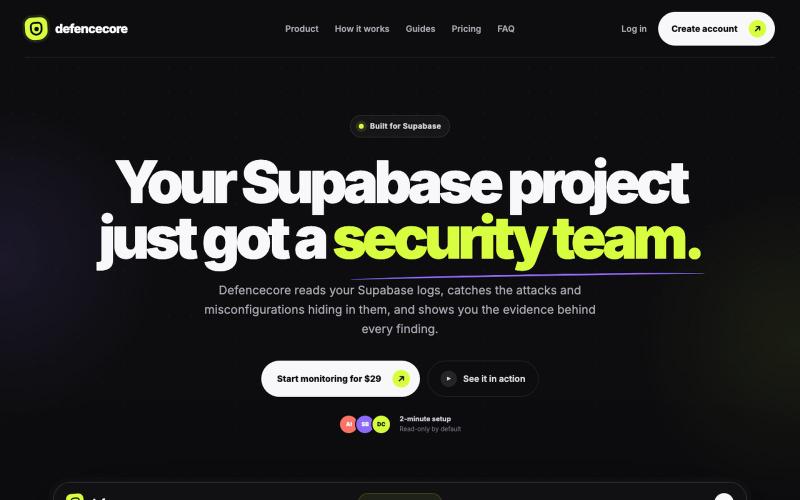
Monitor your Supabase logs for security issues like credential stuffing and exposed keys.

@DefencecorHQ · X
Your app has been live for months. Your last log check was launch day. Defencecore monitors your Supabase activity and surfaces what needs attention—so you don’t have to live in the logs. #vibecoding #ai #supabase
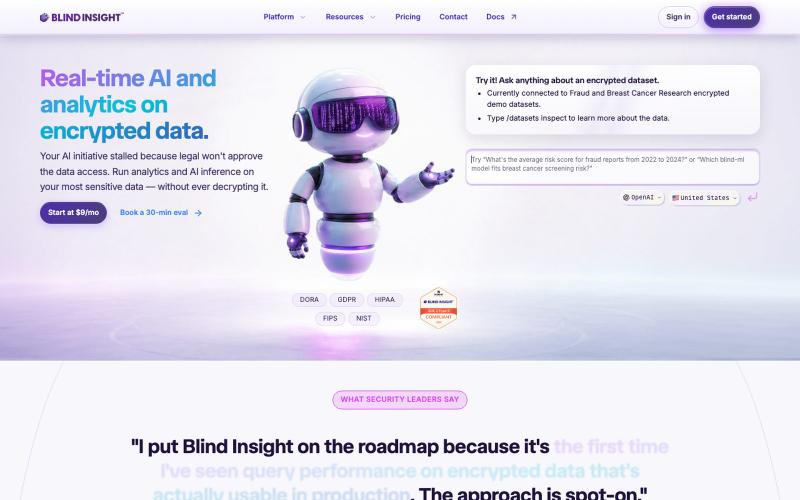
Analyze sensitive data with AI while keeping it encrypted end-to-end with client-side keys.

@JackiePeters · X
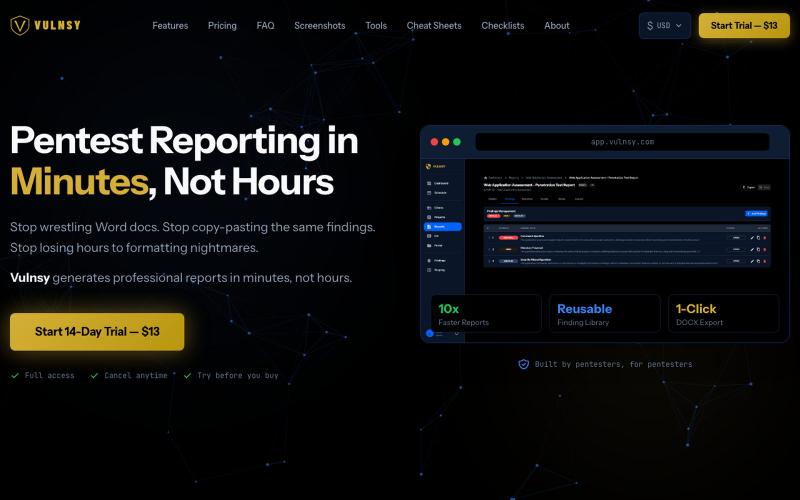
Platform for security teams to create and deliver penetration test reports faster with reusable findings and client portals.

@TurvSec · X
Audit AI-built applications for security vulnerabilities and receive proof of findings.
u/mrtrly · Reddit
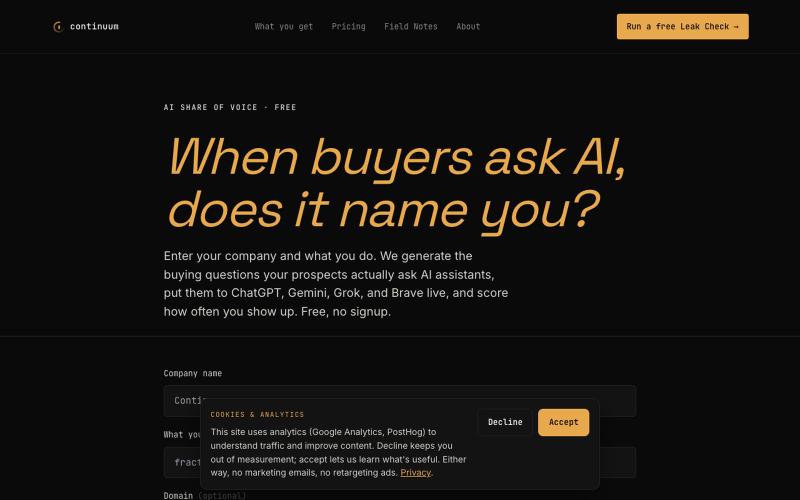
I asked ChatGPT 20 different ways who could fix a half-built app. It never named my company once. I do codebase rescue for founders in exactly that spot, so that one stung. There are already plenty of tools that measure this kind of AI visibility, a CDN even ships one free, so I built mine mostly to see my own number, and it confirmed the bad news: near zero. The measuring turned out to be the easy part. What none of the tools do, and what I actually care about, is the fix: getting the mode
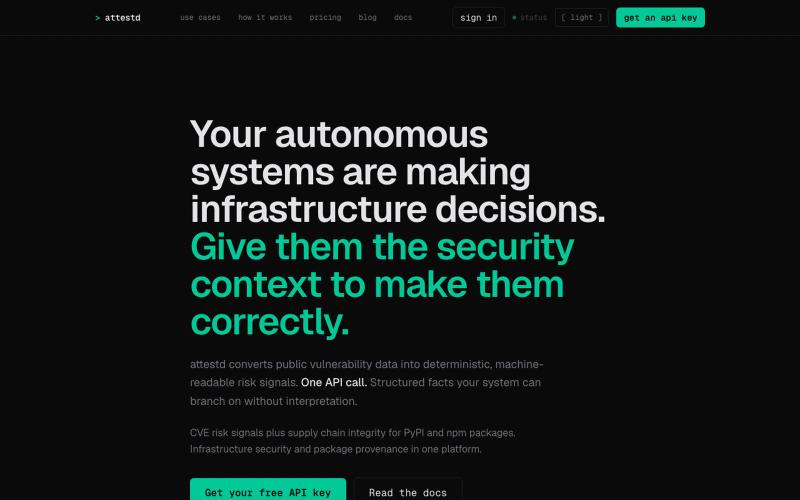
Converts CVE vulnerability data into machine-readable risk signals for security automation.
robert_marshall5 · Product Hunt
attestd CVE and supply chain risk signals for autonomous AI agents.
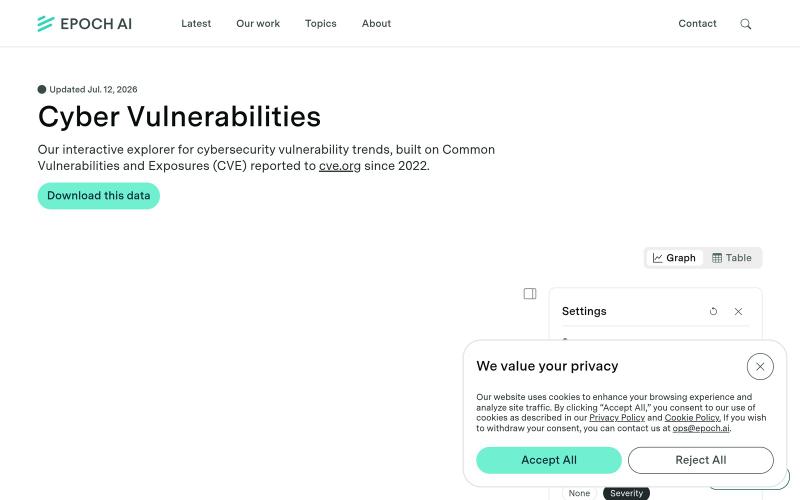
Visualize trends in CVE counts and severity since 2020, broken down by reporting organizations.
u/Secret_Appeal6271 · Reddit
Agents are more capable, and susceptible to exploits, than ever. We're working to stop this from hurting users. AI agents are starting to get real access like GitHub tokens, cloud credentials, customer data, deploy permissions. Not coincidentally, the rate of major cybersecurity incidents is rising rapidly. See for yourself: https://epoch.ai/data/cve?view=graph https://genai.owasp.org/resource/state-of-agentic-ai-security-and-governance/ My friend and I, both AI researchers, are working o
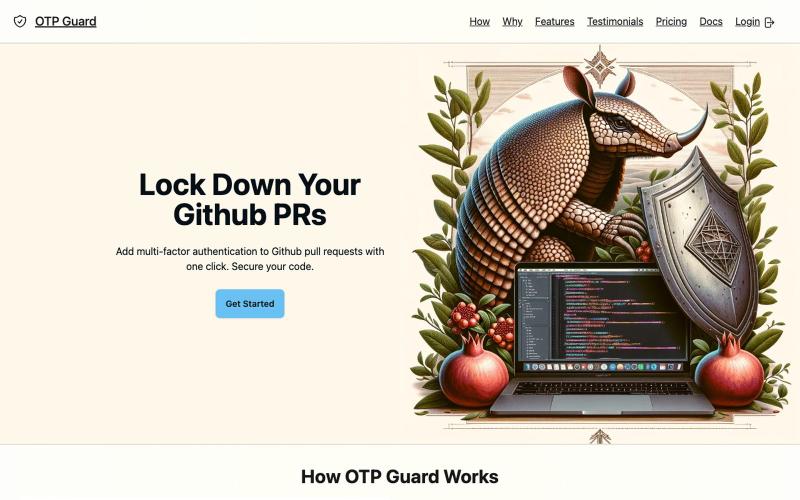
Secure GitHub pull requests with hardware authentication and OTP verification.
jallmann · HN
> want without a PR process that requires hardware authentication or proof of presence Just curious, what do you use for this? I built OTP Guard [1] a few years ago for exactly this problem, although I haven't seen any alternatives in the space. Does GitHub have something built-in now? The original framing was more "local malware compromising your GitHub account" ... it never occurred to me that the malware could be a LLM. I really should update the page. [1] https://otpguard.com