
Games & Play1 week ago · 1 tries
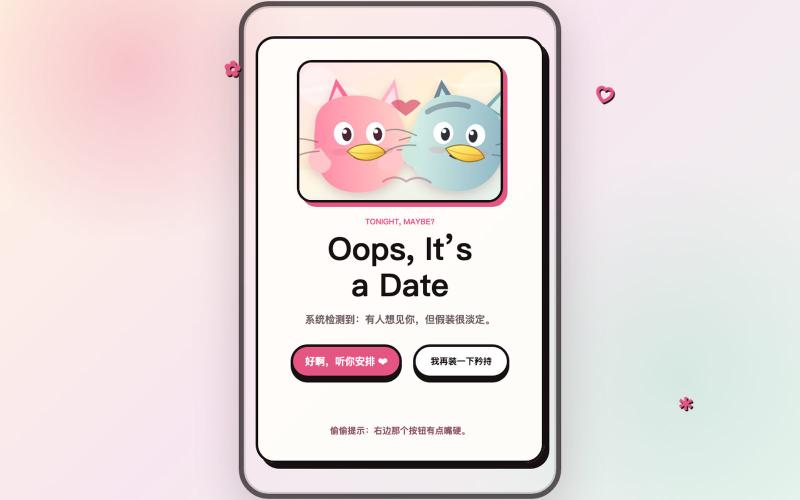
Oops, It’s a Date
Create or respond to AI-generated date invitations in an interactive dating game.

@Bit_LittleP · X
刷到一个男生邀约女生的AI约会软件,很有意思 于是,我做了一个女生邀请男生版 Oops, It’s a Date 👉 有人这样邀请你,你会心动吗?😻🫶
The full gallery
Tech stack
60 projects
Create or respond to AI-generated date invitations in an interactive dating game.
@Bit_LittleP · X
刷到一个男生邀约女生的AI约会软件,很有意思 于是,我做了一个女生邀请男生版 Oops, It’s a Date 👉 有人这样邀请你,你会心动吗?😻🫶
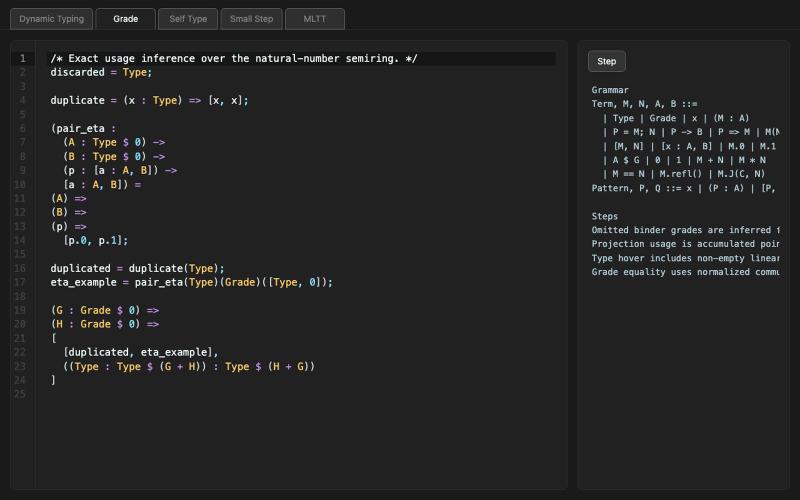
Interactive demo for experimenting with grading mechanics.

@TheEduardoRFS · X
I vibe coded a demo for grading, not in a great shape but it's fun to play a bit.
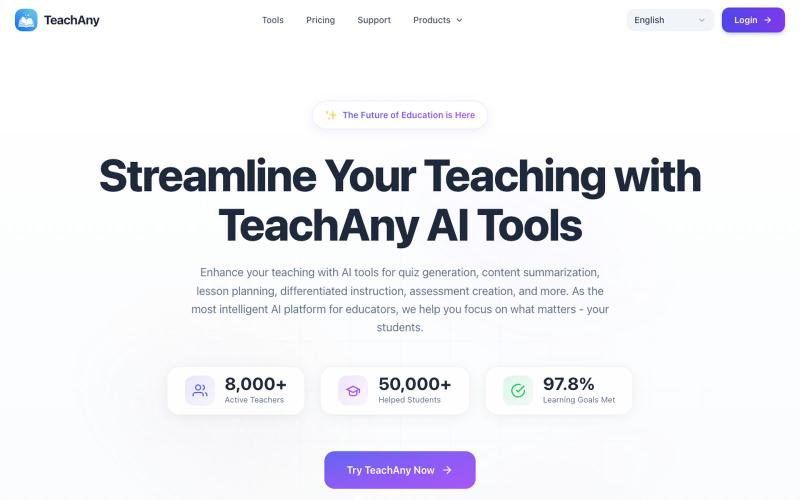
Create lessons, worksheets, and quizzes using AI tools to streamline your teaching.
TeachAny — 使用 TeachAny AI 工具,简化您的教学 - [更多功能](https://www.teachany.com/tools)
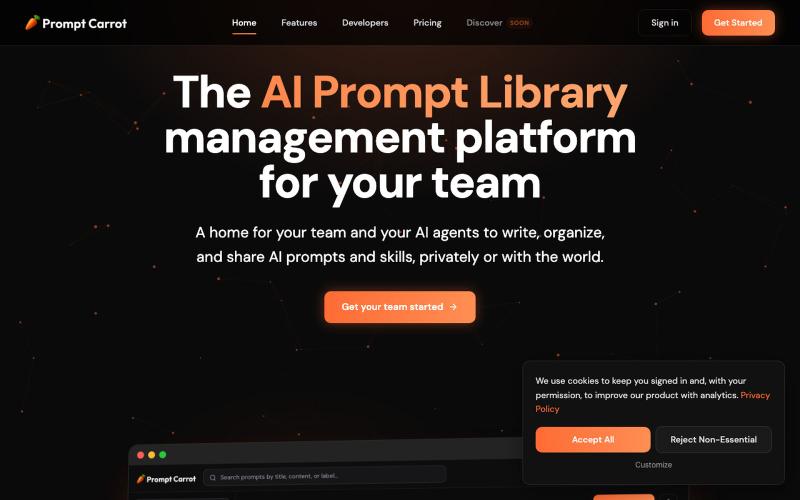
Team-shareable library of AI prompts and agent skills for Claude Code, Cursor, and other platforms.

@promptcarrot · X
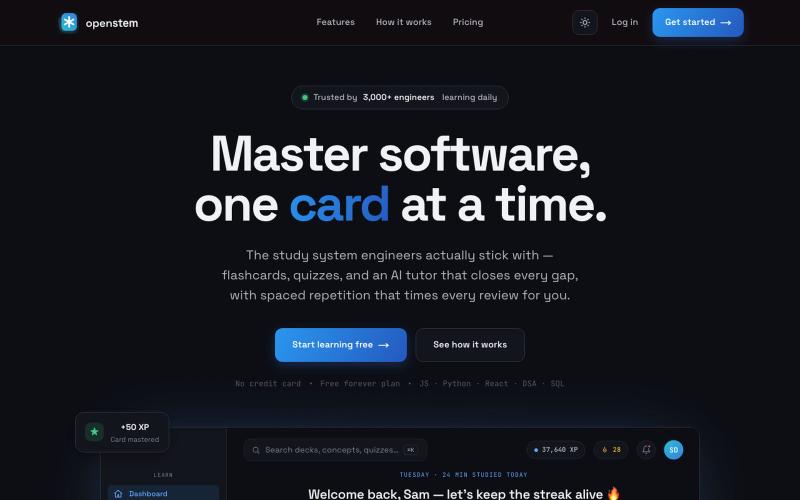
Learn code skills with flashcards, quizzes, and AI tutoring built on memory science.

@mkappworks · X
I am building lets connect
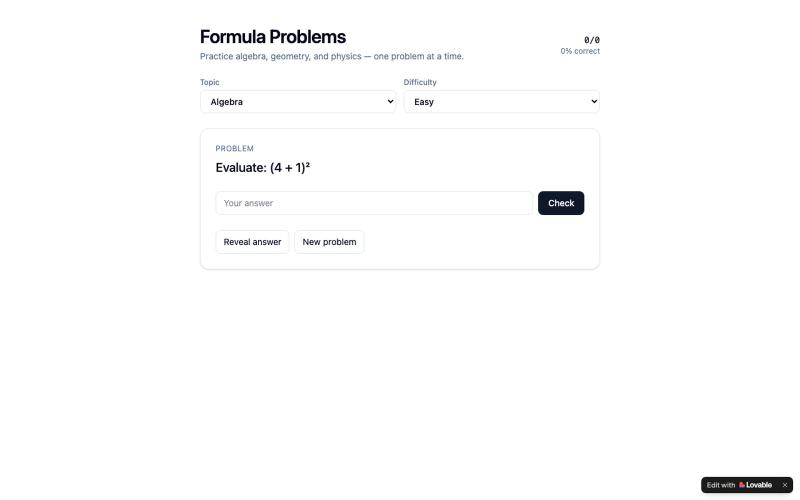
Generate randomized math formula problems to practice.

@7spiritz · X
Check out what I just built with Lovable!
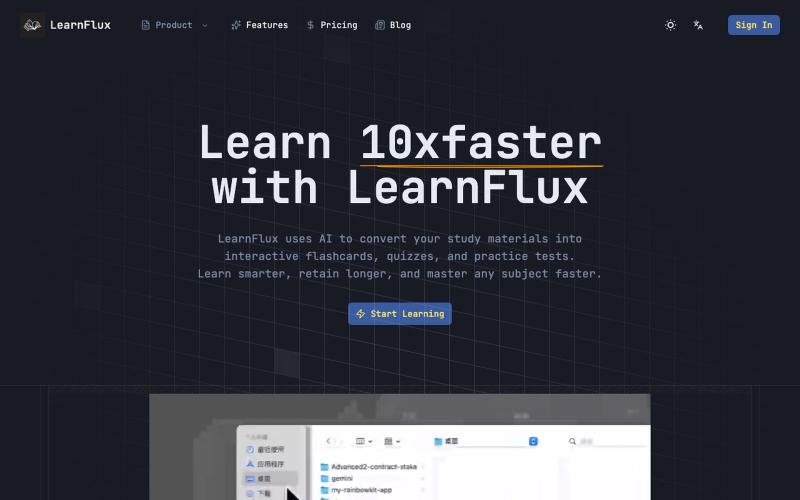
AI-powered learning assistant with personalized paths, intelligent tutoring, and adaptive practice.
LearnFlux — AI 驱动的智能学习助手,为你生成个性化学习材料,让你以更少时间掌握更多知识。
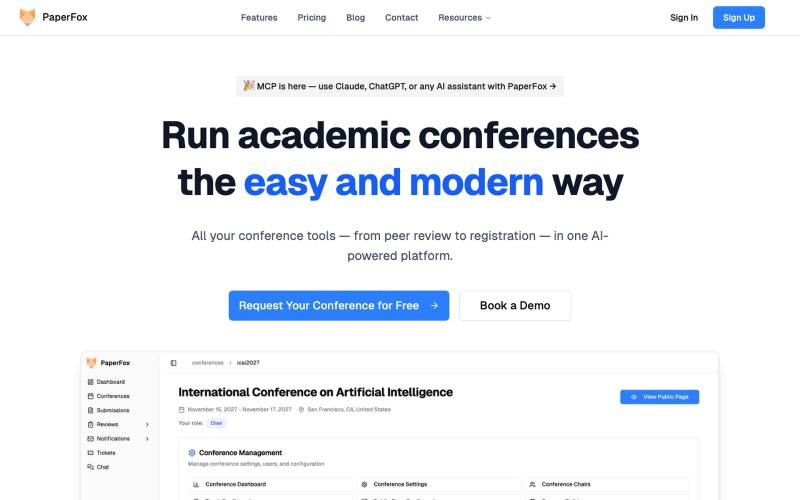
Manage academic conferences: submit and review papers, handle scheduling and registration.

@harryjwang · X
I've used many of the major conference systems. Plenty still have docs as an unsearchable static site — or worse, as PDFs that stopped tracking the product three versions ago. Somehow, still true in 2026. We took an AI-first path with instead. Our docs are generated from the codebase itself. A custom Claude Code skill writes each page and retakes the screenshots whenever a feature changes — so the docs don't drift from the product. Every page still gets reviewed by a human before it ships. Now you can talk to them, too. We just shipped "Ask AI" over our docs: This feature also turned out to be a nice teaching case for agentic RAG vs. classic RAG: • Classic RAG: chunk → embed → vector DB → retrieve once, by fixed rules • Agentic RAG: hand the model a search tool and let it drive — write a query, read the results, rewrite, retry At more than 100 pages, still no vector database needed. And every answer cites the exact page it came from. #Age
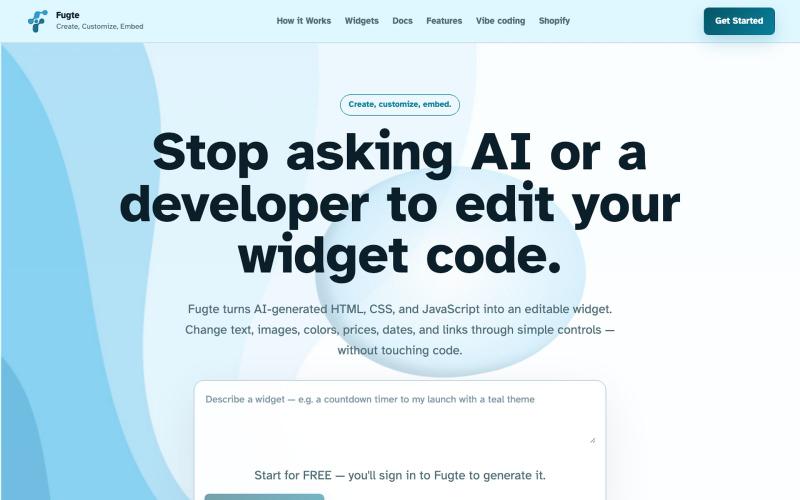
Create and customize interactive widgets with AI and embed them on any website.

@fugteapp · X
which empowers nontechnical users to be able to customize code generated by AI or developer, and be able to share and embed it to the website they are already using
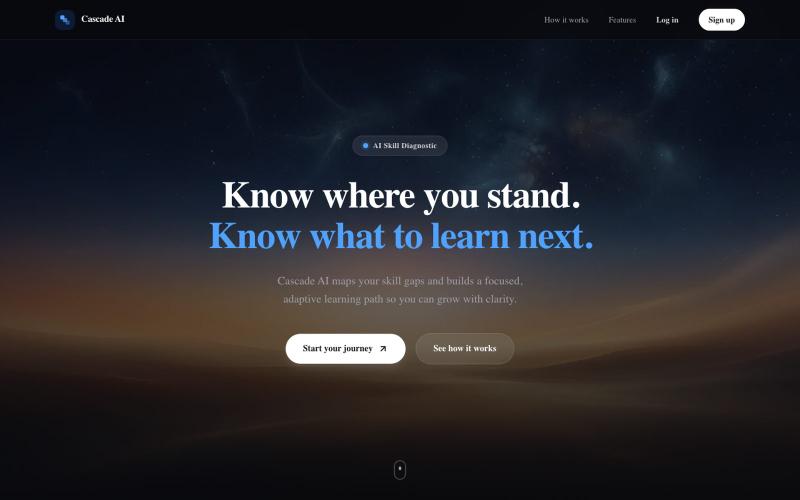
Diagnose your knowledge gaps in technical fields and get a personalized AI-driven learning plan.
u/safi1409 · Reddit
I built a learning path builder tool powered by AI — maps your knowledge gaps and builds a focused learning path Hey everyone, sharing a side project I've been working on. The problem: When you're self-learning a technical field, you don't know what you don't know. Most people either follow a generic roadmap or keep consuming content without a clear picture of their actual gaps. I personally have completed multiple courses which reiterate the same thing because I was not sure if I had act
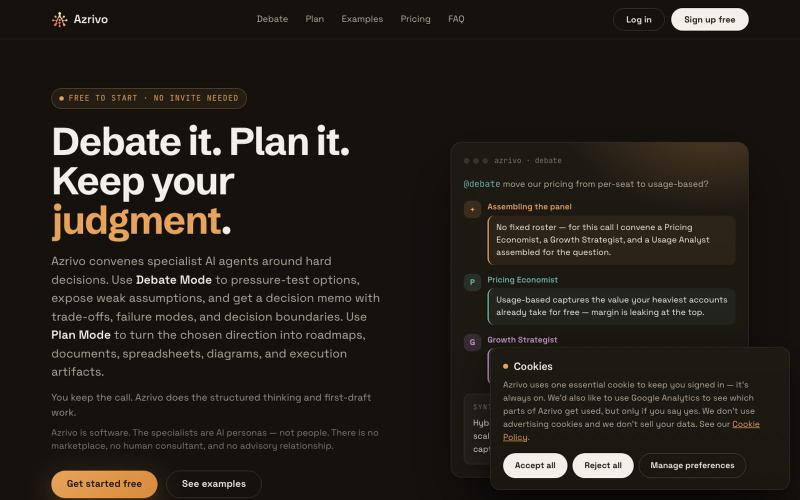
AI decision workspace where agents debate choices and generate roadmaps, documents, and working artifacts.

@getazrivo · X
Building - an AI assistant that doesn't just chat, it ships. Plan Mode maps out multi-step builds and produces real artifacts: live web pages, documents, spreadsheets, slide decks. It can also assemble a curated team of specialists to debate decisions.
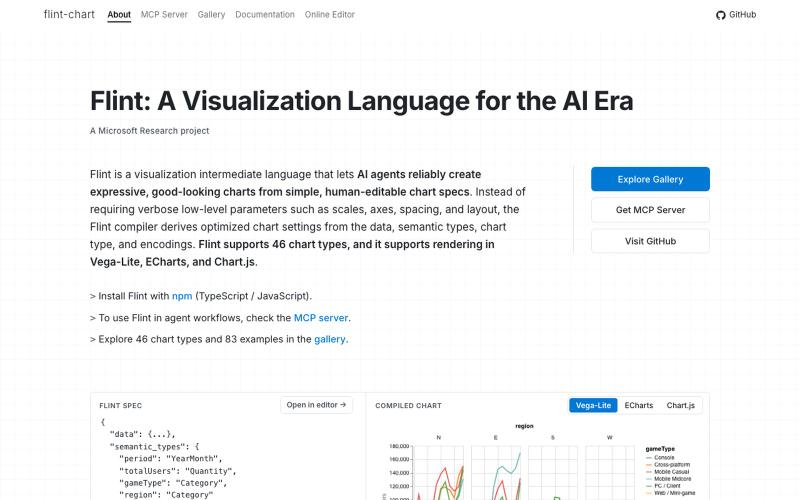
A visualization language designed for AI agents to create and interact with charts.
chenglong-hn · HN
Data visualizations are the bridge between user and data. But building AI agents that can generate visualizations reliably can be very tricky: - simple chart specs can be reliable, but generated charts are often of low quality due to reliance on system defaults; - complex chart specs with explicit details can produce good-looking charts, but they are verbose and agents can struggle with reliability We figured out it is a limitation on the language issue (not just AI capability thing) -- current visualization languages are a bit too low-level for AI agents, requiring them to explicitly make visual decisions that are supposed to be handled by a good compiler. Flint is a visualization intermediate language to address this issue, allow AI agents to solve this last-mile human-agent interaction problem. It provides a simple semantic-type based specification, and contains a layout optimization engine that can produce good-looking charts (filled with derived low-level details) from simple