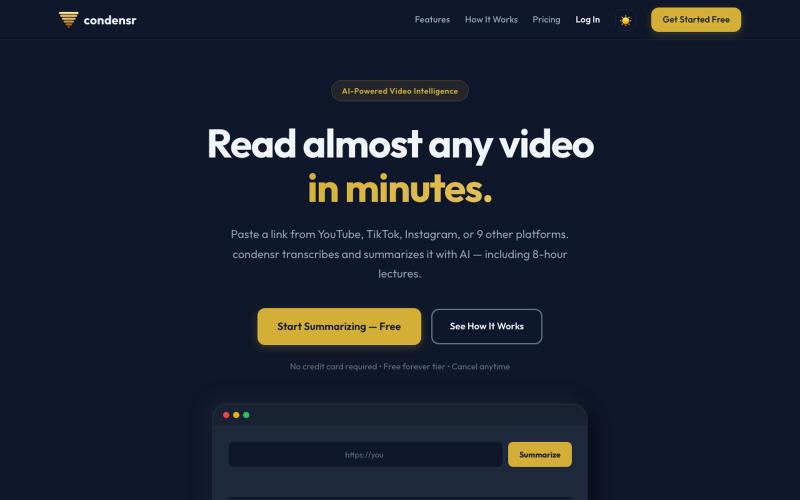
condensr — Free AI Video Summarizer | YouTube, TikTok & More
Summarize any YouTube, TikTok, or Instagram video with AI in seconds. Free video summarizer for lectures, podcasts, and more.
@josephdecker · X
- getting wisdom from knowledge
The full gallery
Tech stack
60 projects

Summarize any YouTube, TikTok, or Instagram video with AI in seconds. Free video summarizer for lectures, podcasts, and more.
@josephdecker · X
- getting wisdom from knowledge

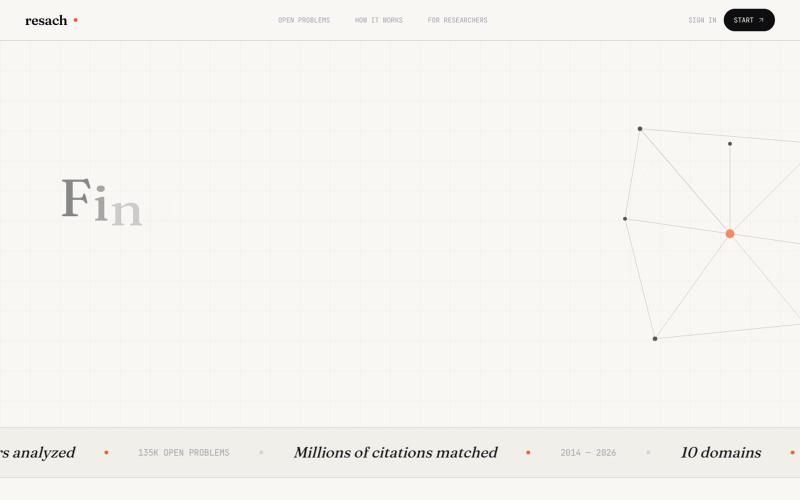
RESACH analyzes 10 years of scientific literature to surface high-impact research questions, limitations, and unexplored opportunities with evidence directly from papers.
@anishka_25 · X
Research shouldn't be difficult checkout !

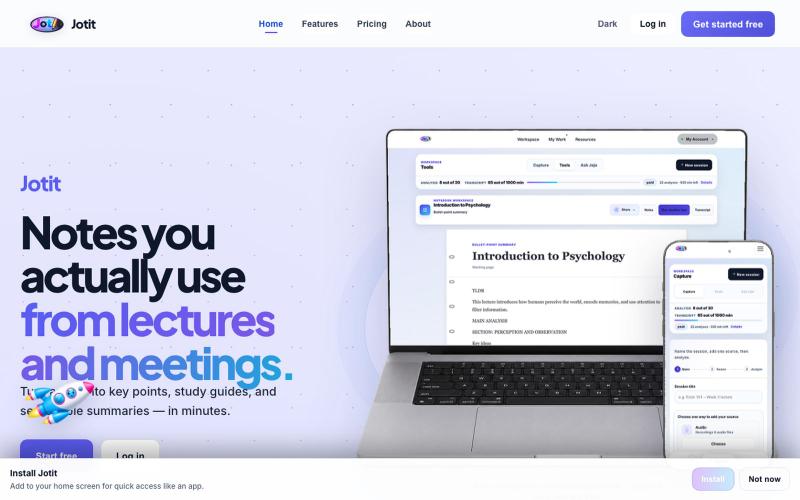
Jotit turns lectures, meetings, and voice notes into organized summaries, study guides, and action items.
@getjotit · X
Built Jotit — AI that takes notes from lectures/meetings so you don’t have to. I use it for work and it has made my life so much easier especially when I’m in back to back meetings. Link:

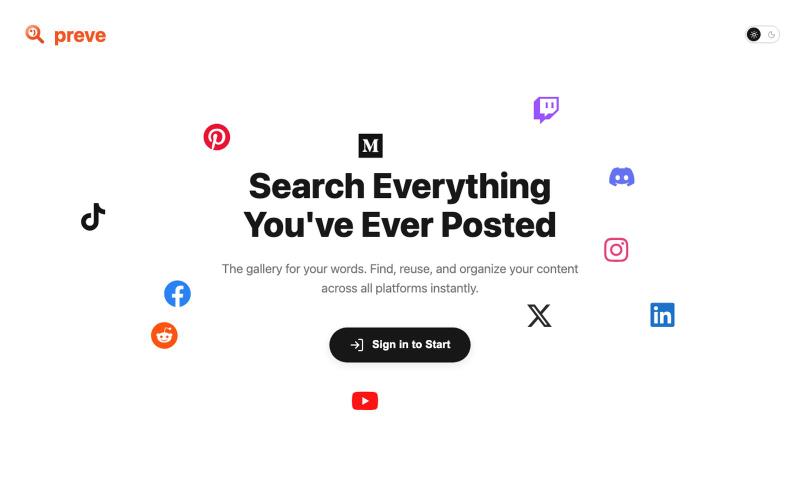
An AI memory tool for creators to search and index all their posts and comments across connected platforms.
@trend_stack · X

Organize bookmarks, notes, voice memos, and screenshots with AI summaries and password vault.
@aliuagon_ · X

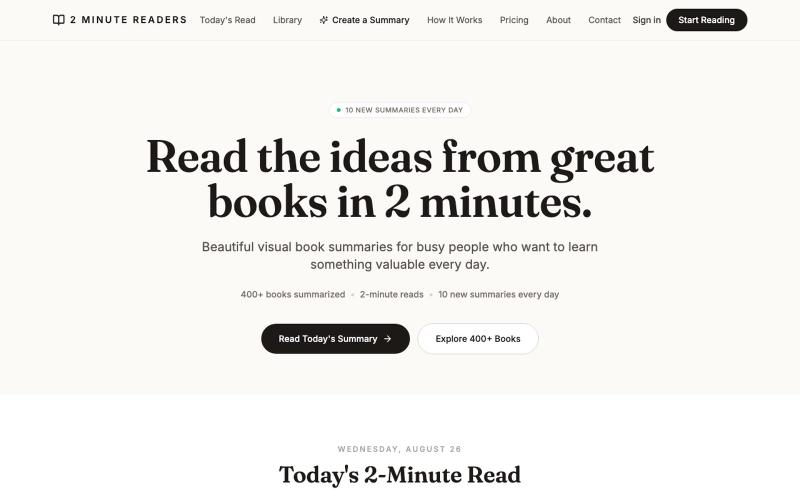
Understand a great book in 2 minutes a day with premium, visual, and actionable summaries designed to help you learn more by reading less.
@bruteforcearete · X

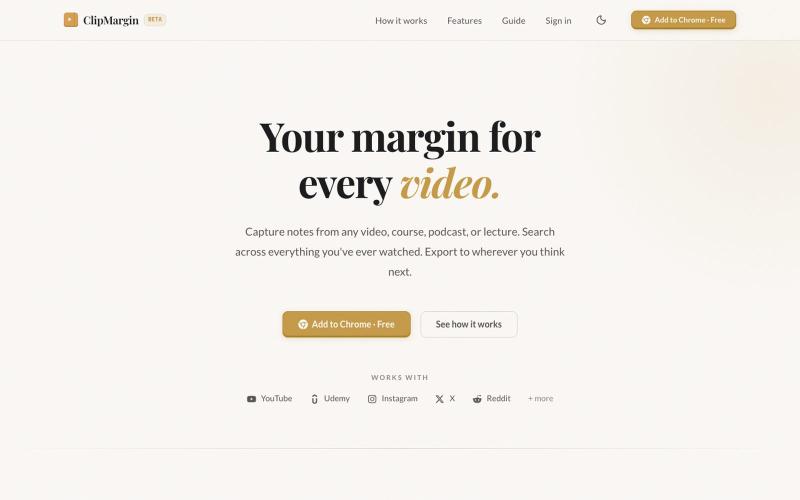
Capture timestamped notes from videos and search all your learning in one place.
@amine_builds2 · X
[Chrome] [Free] ClipMargin: Timestamped Notes for Any Video

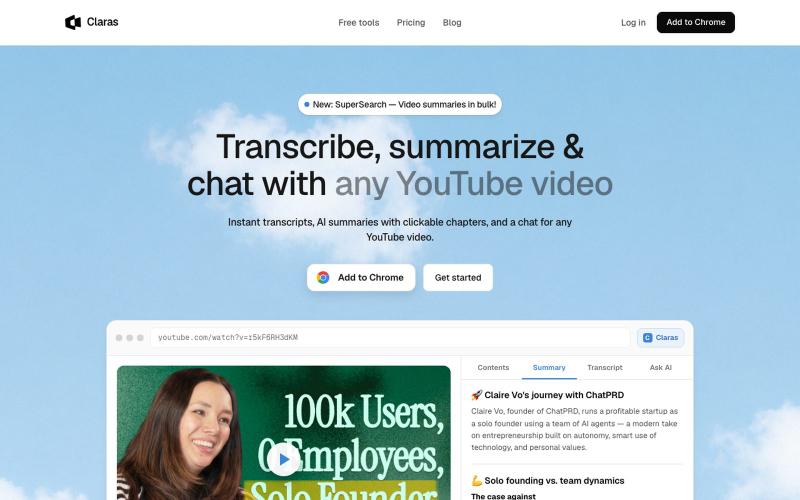
Chat with YouTube video transcripts and AI-generated summaries in 17 languages.
@MorTech99 · X
the engineer who built Claude Code just dropped a 28-minute video on how to write prompts i know most of u dont have 28 minutes of attention span (neither do i lol) so here is a summary i made using full summary: 28min watch turned into a 2min read = saves you ~26min, youre welcome!

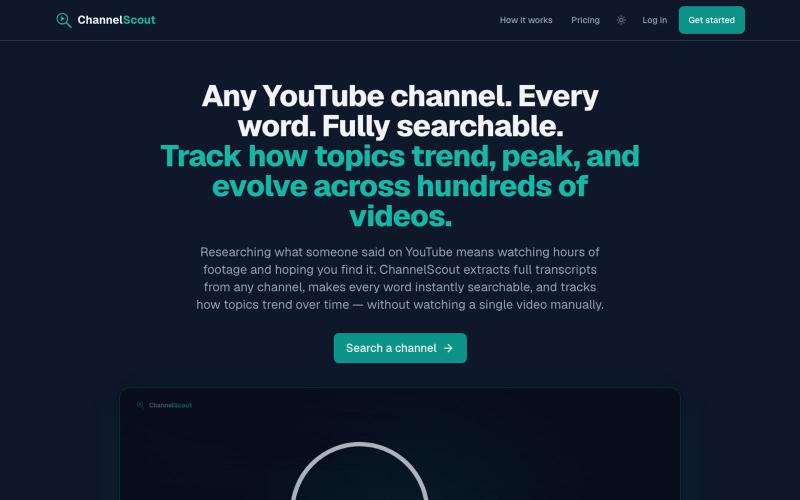
Search YouTube channel transcripts to research content and build fair-use clips.
@johncalvo · X
Built an entire YouTube research platform with @AnthropicAI Claude Code. a YouTube research tool that treats entire channels as a searchable transcript database rather than individual videos. Any YouTube channel. Every word. Fully searchable. Track how topics trend, peak, and evolve across hundreds of videos. Researching what someone said on YouTube means watching hours of footage and hoping you find it. ChannelScout extracts full transcripts from any channel, makes every word instantly searchable, and tracks how topics trend over time, without watching a single video manually. Paste a YouTube channel or playlist URL and it transcribes and indexes every transcript. Follow multiple channels and they all land in one private library. New videos on followed channels are auto-transcribed and added to your library the day they publish. Beyond YouTube it accepts any yt-dlp-supported URL including Vimeo, TED, and SoundCloud, and you can upload local files directly

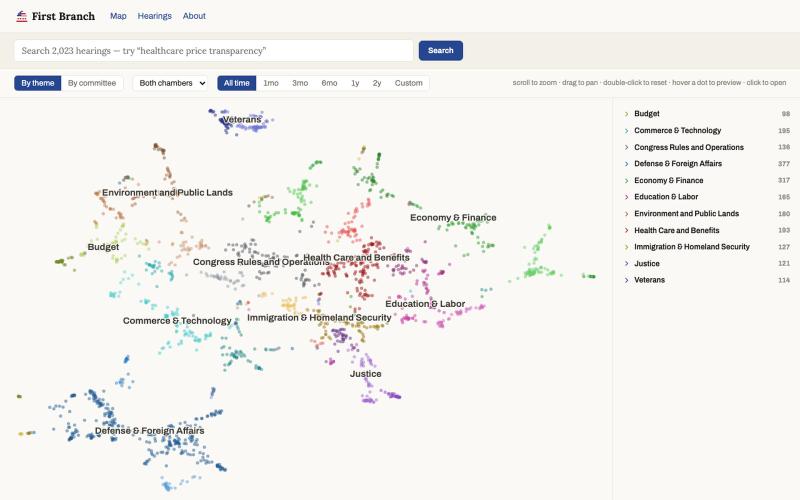
Search and explore US congressional hearings with AI summaries, indexed video clips, and a visual map of Congress's work.
feliixh · HN
I just hacked together https://www.firstbranch.ai in a few days, conversational intelligence for congress hearings. I was talking about healthcare price transparency with a friend. He pointed me to a hearing in congress and I was surprised by how much I learned from one of the witnesses' testimonies so I built a "serendipity engine" for congress hearings.

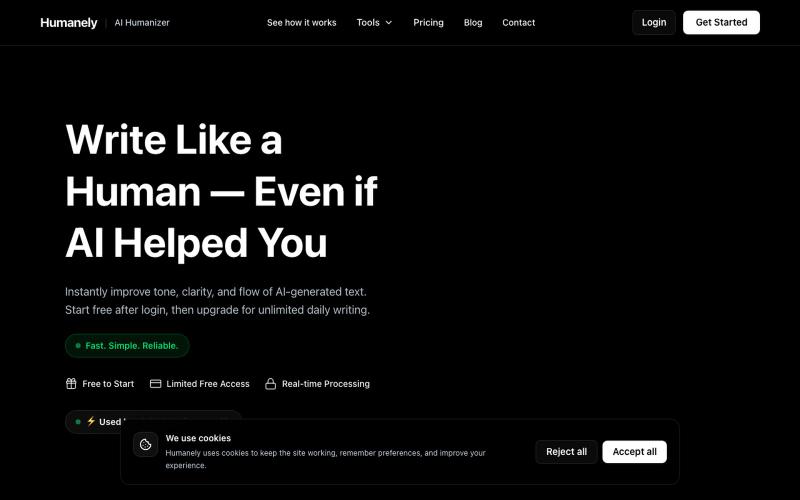
Transform AI-generated text into human-sounding content with tools for grammar, summarization, and SEO optimization.
@RohanAhmed06 · X
🚀 Built Humanely. An AI writing toolkit with: • AI Humanizer • AI Detector • Grammar Checker • Text Summarizer • SEO Tools I'd love your honest feedback 🙌

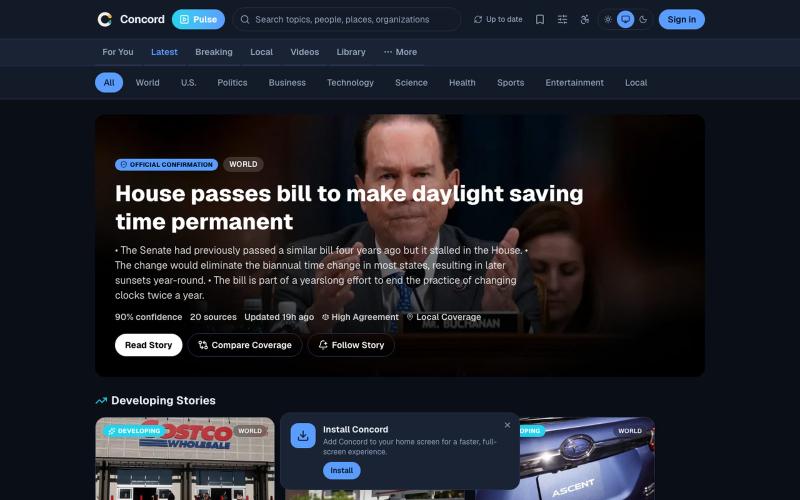
Browse aggregated news and compare how different outlets report the same stories.
u/Puzzleheaded-Neat548 · Reddit
News Aggregator (Concord) Hey everyone, I'm a computer science student and I've spent the last several months building a project called Concord . The idea came from being frustrated with having to read five or ten different articles just to understand one story. Instead of only aggregating headlines, Concord tries to answer: • What actually happened? • What facts do multiple sources agree on? • What information is still uncertain? • What changed since the story first broke? Some