
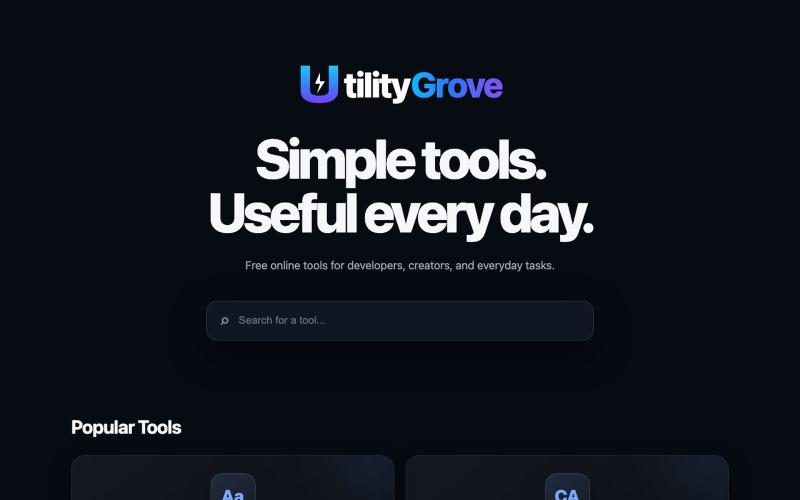
The full gallery
Tech stack
20 projects
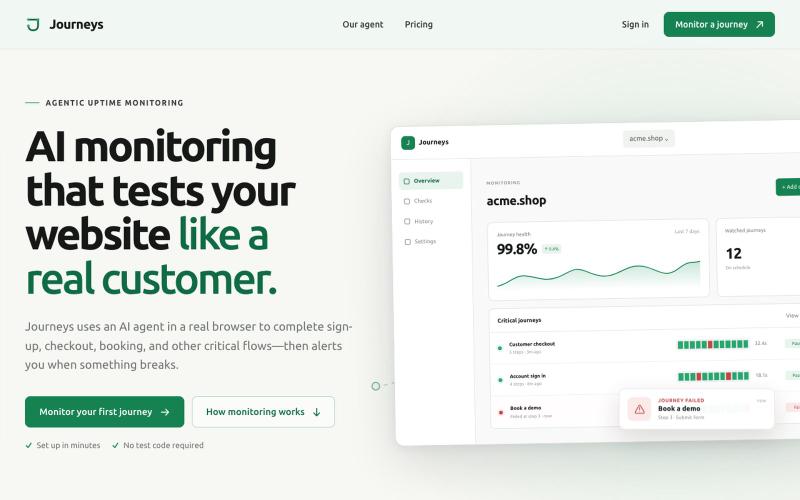
Monitor customer checkout, sign-in, and onboarding flows in a real browser with automated alerts.
u/resz99 · Reddit
Built a Pingdom clone that clicks through your app instead of pinging your API "Clone" is generous, I only kept the green/red strip. Every row is a feature instead of a URL. I've joined a few startups now and it's the same thing every time. No tests, one or two manual QA person, everyone just hopes. At the last place signup had been broken on web for two months before anyone noticed. Two months. Mobile still worked so signups never dropped to zero, the number just went down a
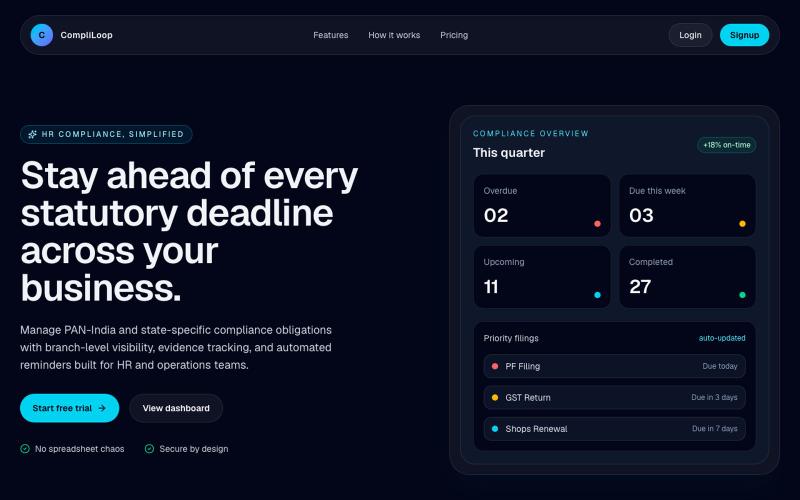
CompliLoop — multi-tenant HR compliance tracking for branches, states, and recurring filings.

@iamazeiee · X
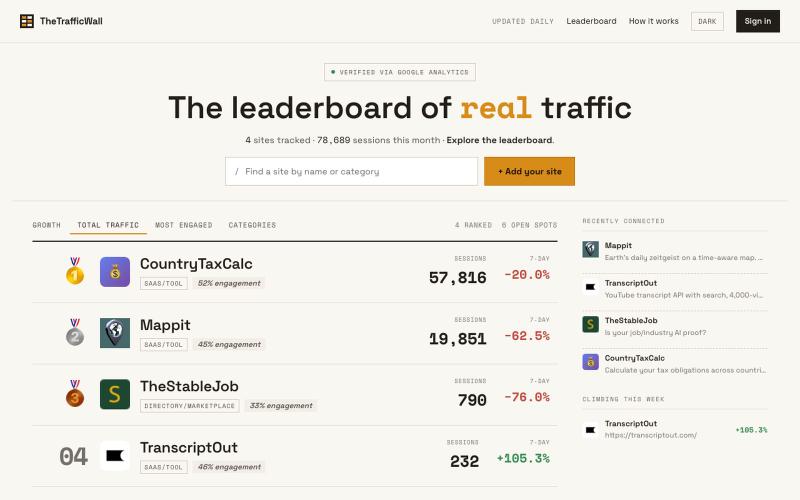
A public leaderboard for indie sites, ranked by real GA4 traffic.

@danielkbuilds · X
- leaderboard for website traffic.
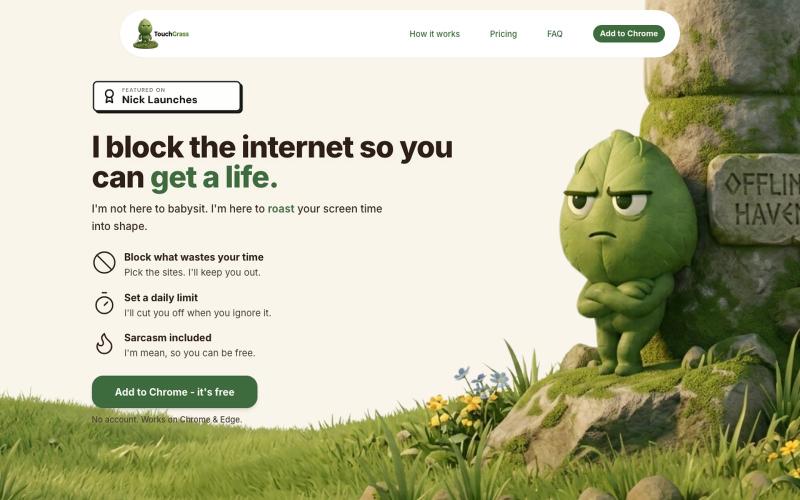
Touch Grass is a Chrome extension: pick sites to block, hit your daily scroll limit, get locked out, then upload outdoor proof to unlock. AI says yes or no. Free tier + Pro from $8

@ch1lldev · X
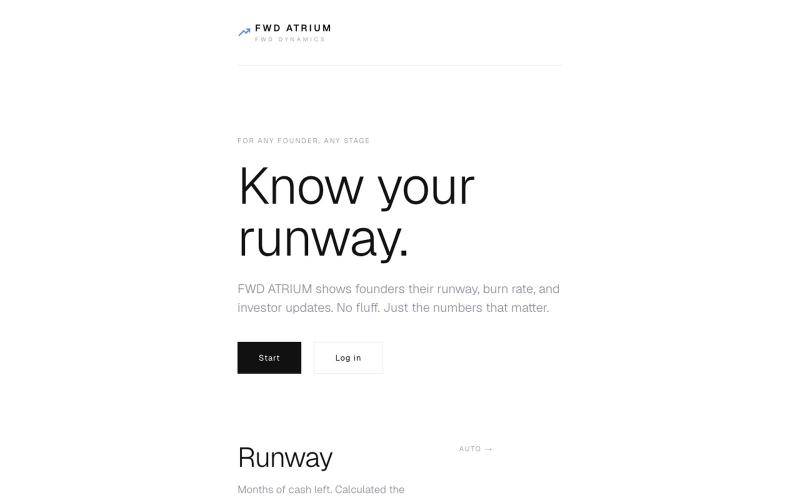
Dead-simple runway, burn rate, and investor updates for founders. No fluff. Only moving forward.

@fwdatrium · X
FWD Atrium For the founder who raised their first round and now spends Sunday nights writing investor updates instead of building. We fix it.
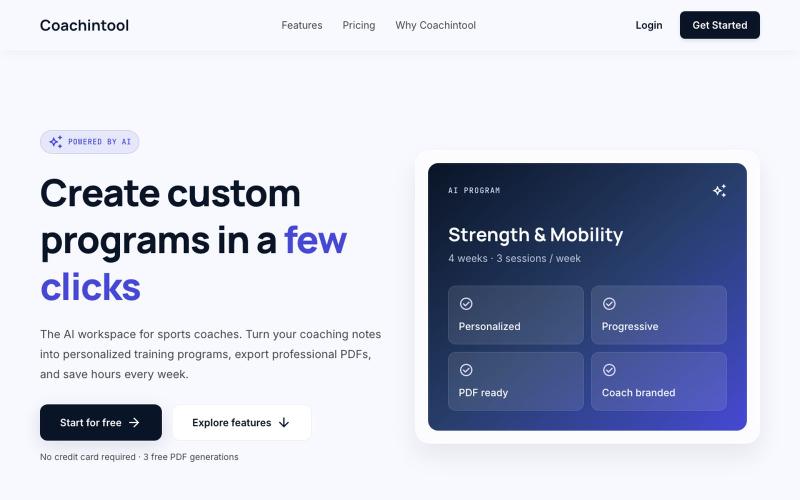
@pfernan95dev An AI web app for solo coaches and coaching teams to generate tailored programs with a single prompt using client data https://t.co/u9PKy4jcjF

@3aziz2000 · X
An AI web app for solo coaches and coaching teams to generate tailored programs with a single prompt using client data
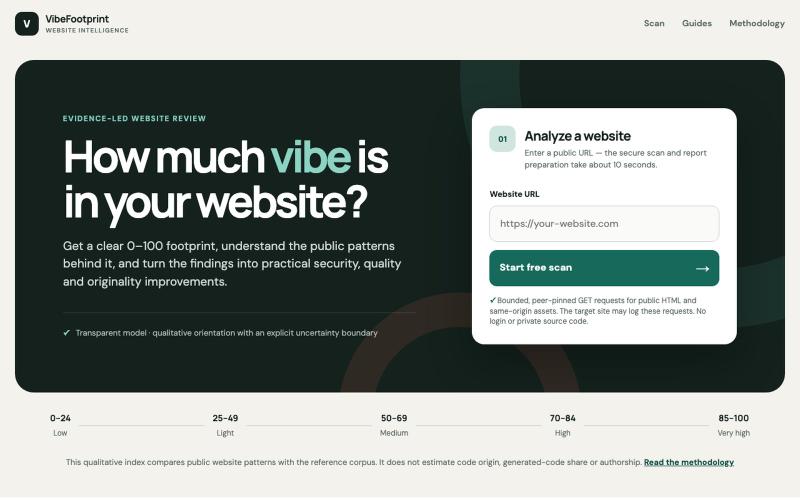
Analyze websites for vibe-coding patterns and security headers without signing in.
u/RockettBits · Reddit
I built a tool that tells you why a website “looks vibe coded” and how to improve it. Some of us use vibe coding because it’s insanely fast, and honestly, a lot of the results are pretty good. But there’s also this weird thing where you open a website and can almost instantly tell it was vibe coded. Same cards, same rounded corners, same gradients, same spacing, same component-library feel. People usually just call it “AI slop,” but I wanted to understand what actually creates that feeling.
