
Other4 days ago
devthropology
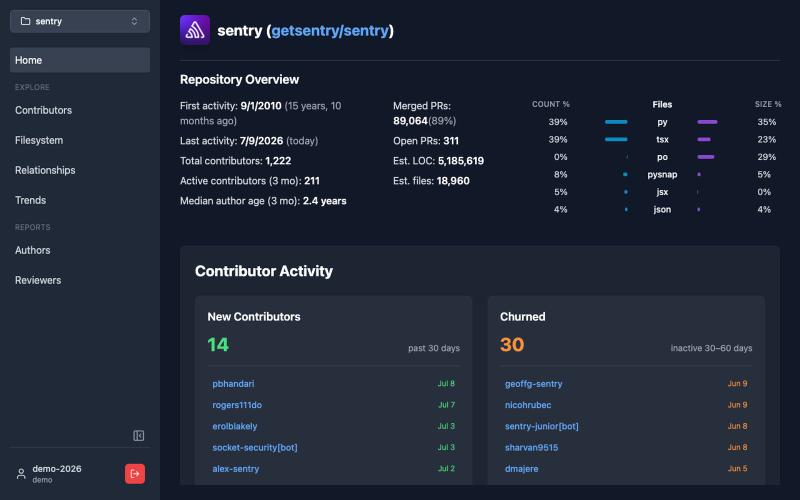
Devthropology – Better Insights for GitHub Repos
dpc94 · HN
Devthropology – Better Insights for GitHub Repos
The full gallery
Tech stack
60 projects
Devthropology – Better Insights for GitHub Repos
dpc94 · HN
Devthropology – Better Insights for GitHub Repos

Find beginner-friendly open source issues on GitHub and track your contributions.

@anni_i02 · X
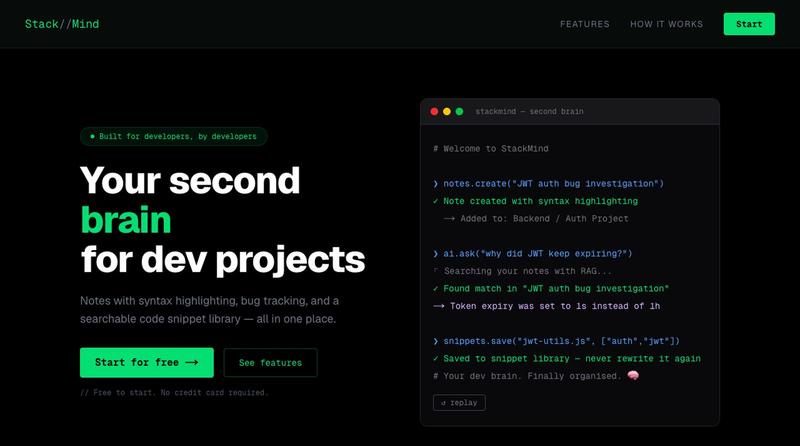
Notes with code blocks, Kanban bug tracker, and snippet library with GitHub import.

@SinghApurv1711 · X
Hey! Check it out here:

Visual orchestration platform for building and deploying Next.js applications.

@sivasankar___s · X
I’m currently deep in building Rudra, a visual orchestrator for Next.js designed for full engineering control. Zero vendor lock-in—you own the code. Website: App Build with Rudra
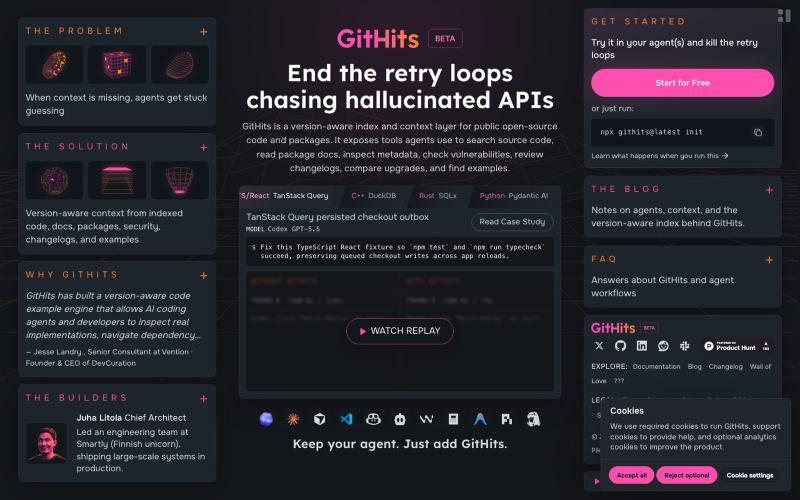
Search indexed open-source code and packages with version history, metadata, and dependency information.

@Jack_Timonen · X
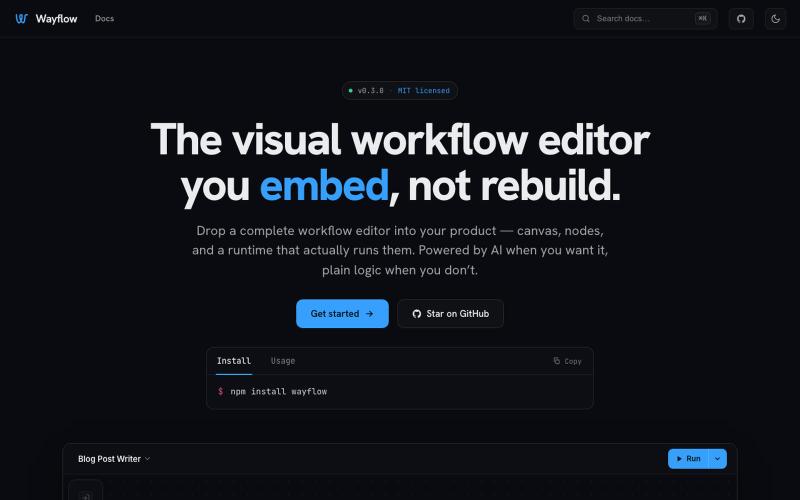
Embeddable visual workflow builder for web apps with optional AI assistance.
tahazsh · HN
Hi! I’m Taha. In many agentic products that support workflows (including one I worked on), I noticed they either don’t support node-based editors, or use React Flow and go through the difficult work of integrating it into their product to run it and work with their existing logic. So I thought about creating a tool that could help with this by closing the gap between the editor and the runtime. That’s why I created Wayflow. The basic architecture is simple: you just need to create a graph (which is a JSON object) that the runtime knows how to run. The runtime doesn’t care where that graph is coming from, it just needs the right schema. And with the help of the editor, you can create the graph, and then export it or directly save it on your backend in your database. And then when you want to execute it, you just hand it to the runtime. The runtime can either stream the execution (which is useful for the editor), or give you the final result. How you execute the graph is up to you: t
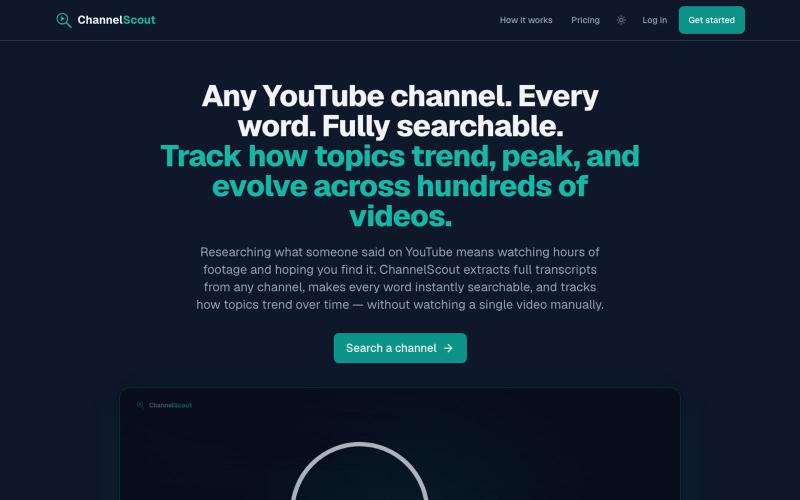
Search YouTube channel transcripts to research content and build fair-use clips.

@johncalvo · X
Built an entire YouTube research platform with @AnthropicAI Claude Code. a YouTube research tool that treats entire channels as a searchable transcript database rather than individual videos. Any YouTube channel. Every word. Fully searchable. Track how topics trend, peak, and evolve across hundreds of videos. Researching what someone said on YouTube means watching hours of footage and hoping you find it. ChannelScout extracts full transcripts from any channel, makes every word instantly searchable, and tracks how topics trend over time, without watching a single video manually. Paste a YouTube channel or playlist URL and it transcribes and indexes every transcript. Follow multiple channels and they all land in one private library. New videos on followed channels are auto-transcribed and added to your library the day they publish. Beyond YouTube it accepts any yt-dlp-supported URL including Vimeo, TED, and SoundCloud, and you can upload local files directly

@suni_code Here it is: https://t.co/FJRlXNARp2 Definitely appreciating feedbacks

@sykatt01 · X
Here it is: Definitely appreciating feedbacks
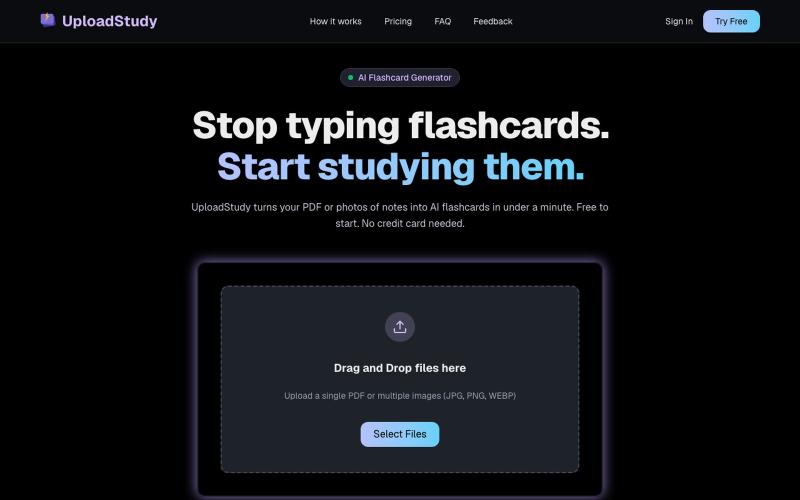
Generate AI flashcards from PDF documents or photos of your notes.

@MrDave_id · X
I built an ai flashcard generator
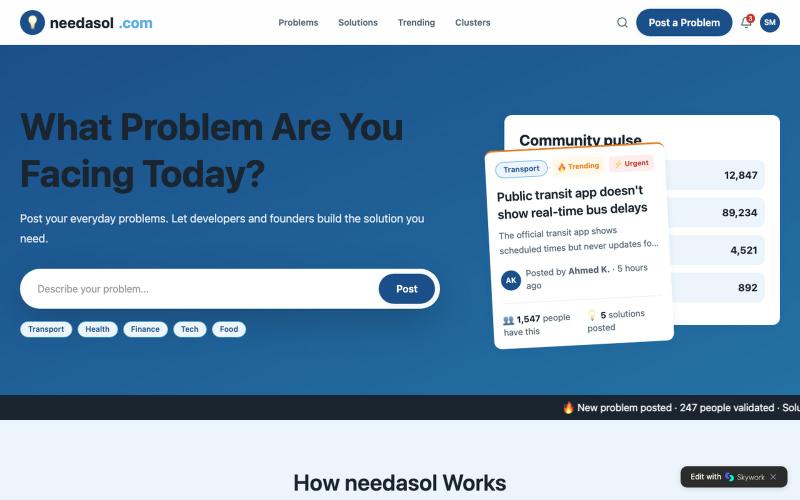
Post real problems, let communities validate demand, and explore developer-proposed solutions.

@cultkoushik · X
A problem warehouse for creators
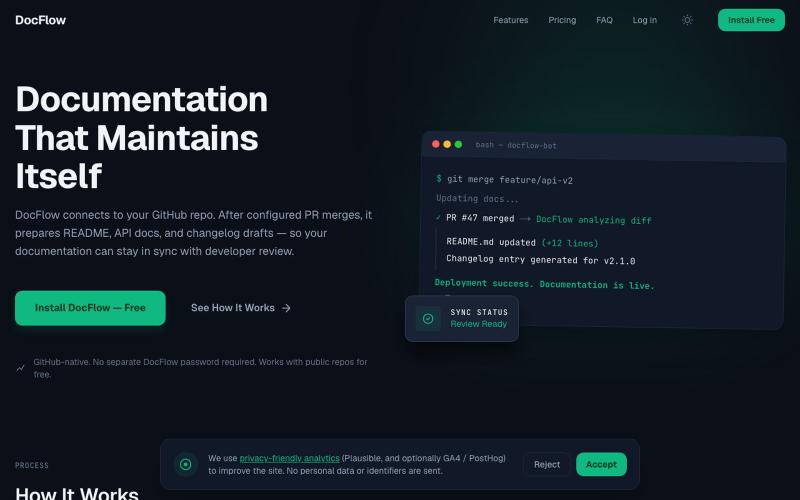
Generate code documentation automatically on GitHub pull requests.
Aldasams · HN
Show HN: DocFlow – AI documentation updates for GitHub pull requests

Deploy any of 400+ open-source tools on your choice of 9 cloud providers.

@Dil_Lynn · X