
AI Agents2 days ago
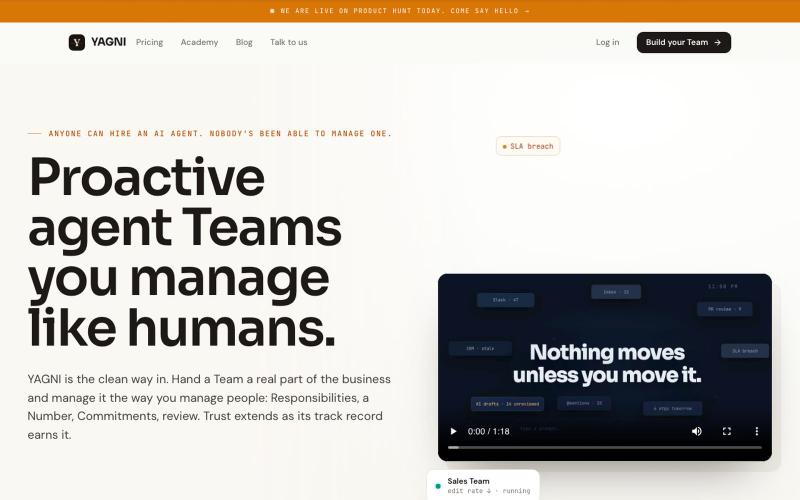
YAGNI. Proactive agent Teams you manage like humans.
Manage teams of AI agents proactively through a human-friendly interface.
jackcollinshq · Product Hunt
YAGNI Proactive agent teams you manage like humans
The full gallery
Tech stack
28 projects
Manage teams of AI agents proactively through a human-friendly interface.
jackcollinshq · Product Hunt
YAGNI Proactive agent teams you manage like humans
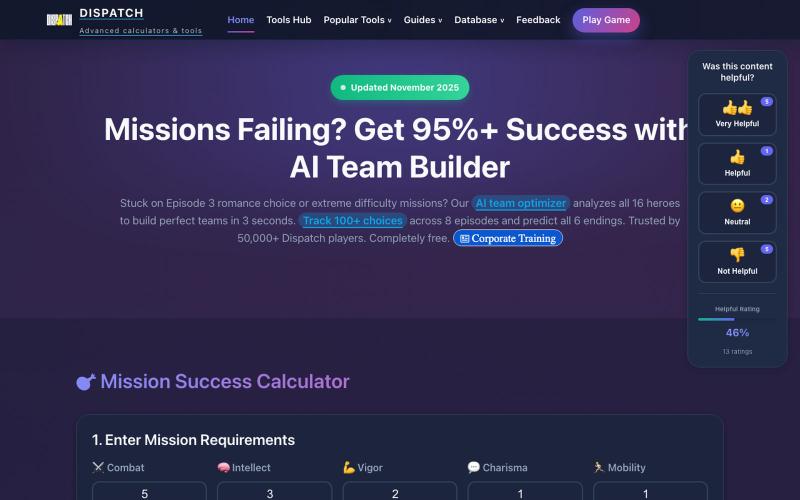
AI-powered team composition calculator for Dispatch game missions with 95%+ success rate.
Dispatch Calculator — Steam 上 Dispatch 这个游戏的计算器助手,帮助玩家针对不同任务进行分配人员信息。
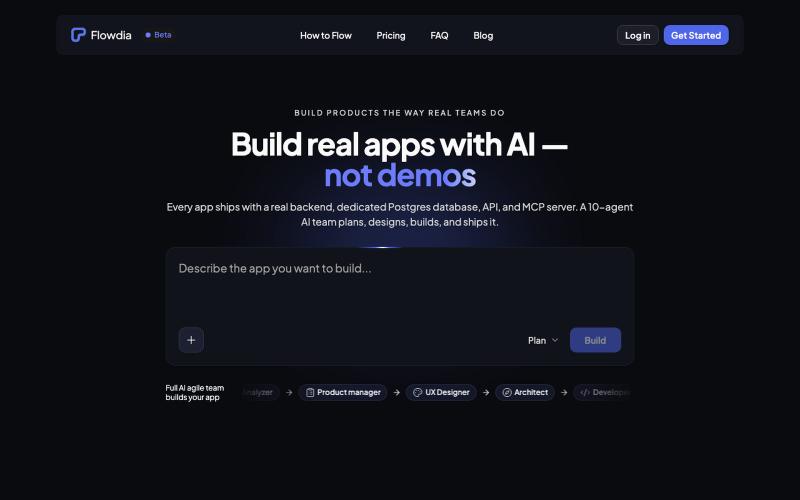
An AI agent team plans, designs, and deploys full-stack applications with real databases and APIs.

@islamtaha · X
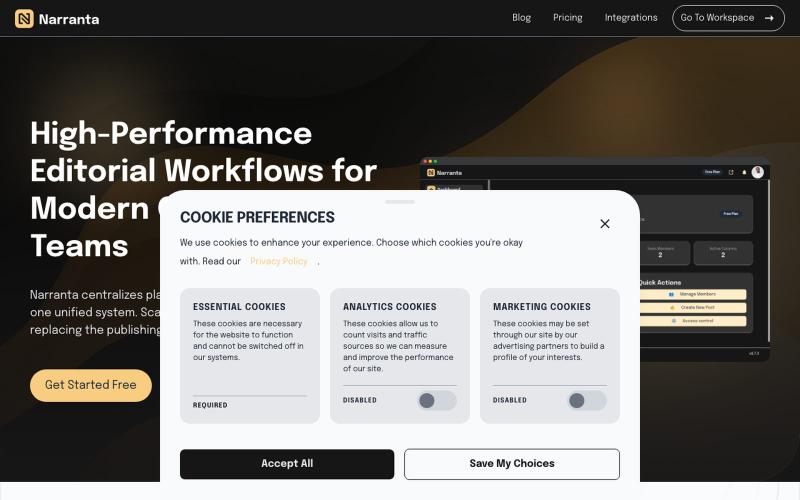
Editorial workflow platform for teams to plan, write, review, approve, and publish content.

@duke_can_c_u · X
Hi I’m the founder of a content collaboration platform for teams and creators, with focus on editorial workflows. Always looking to connect with people passionate about content, SaaS, and building great products.
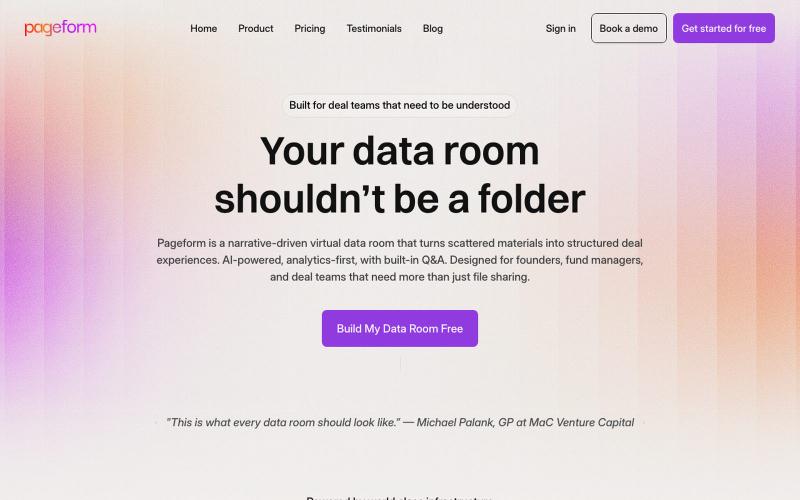
AI-powered virtual data room that transforms documents into guided experiences for deal teams.

@Puneeeeeeet · X
We help brands go viral on X with organic video campaigns that people actually want to watch. wanna try for
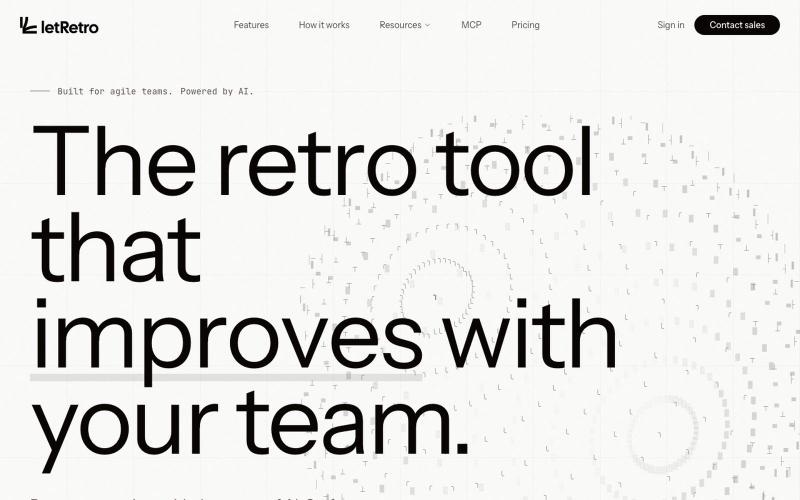
Run AI-powered sprint retrospectives that connect to your tools and identify improvement patterns.

@akadhanu · X
an ai sprint retrospectives for it teams (
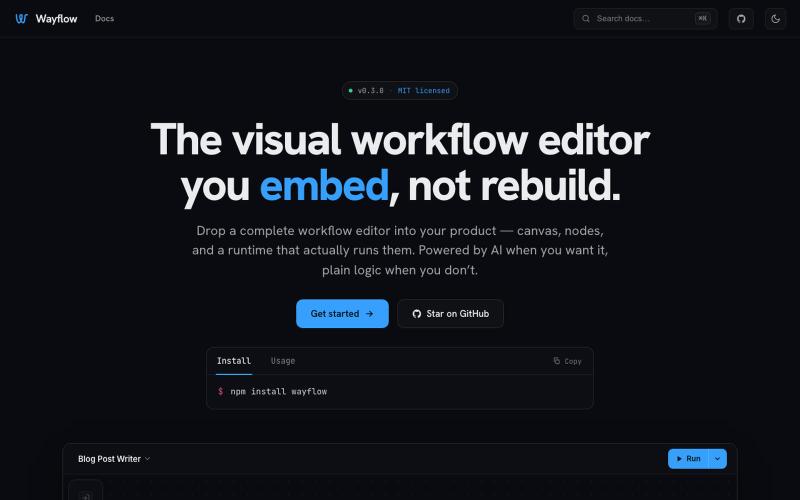
Embeddable visual workflow builder for web apps with optional AI assistance.
tahazsh · HN
Hi! I’m Taha. In many agentic products that support workflows (including one I worked on), I noticed they either don’t support node-based editors, or use React Flow and go through the difficult work of integrating it into their product to run it and work with their existing logic. So I thought about creating a tool that could help with this by closing the gap between the editor and the runtime. That’s why I created Wayflow. The basic architecture is simple: you just need to create a graph (which is a JSON object) that the runtime knows how to run. The runtime doesn’t care where that graph is coming from, it just needs the right schema. And with the help of the editor, you can create the graph, and then export it or directly save it on your backend in your database. And then when you want to execute it, you just hand it to the runtime. The runtime can either stream the execution (which is useful for the editor), or give you the final result. How you execute the graph is up to you: t
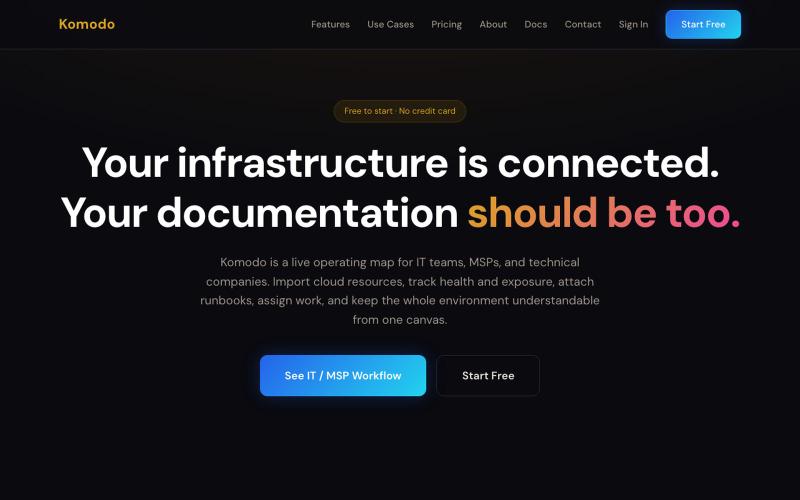
Live infrastructure map consolidating tasks, health checks, docs, and alerts for IT and MSP teams.

@JNRVInnovations · X
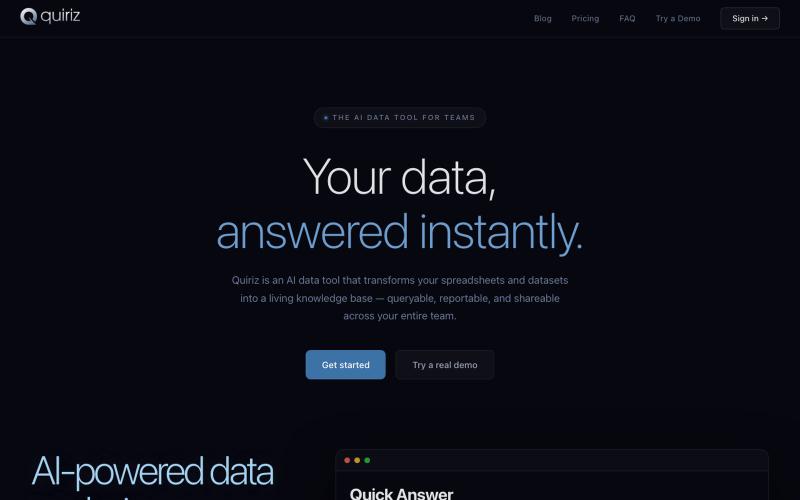
Query spreadsheets and datasets with plain-English questions to generate instant answers and reports.
u/maybeImakemoney · Reddit
I built the thing. Now I am not sure the base use case is one people will pay for. Founder here. This started as a side learning project to see whether an LLM could answer questions about Excel data, back when they could not do it well. I built the first version on n8n, with workflows that ingested files, generated metadata with an LLM, and answered questions against the converted data plus that metadata. Then I started using it for my own analysis and report generation, saw that the time sav
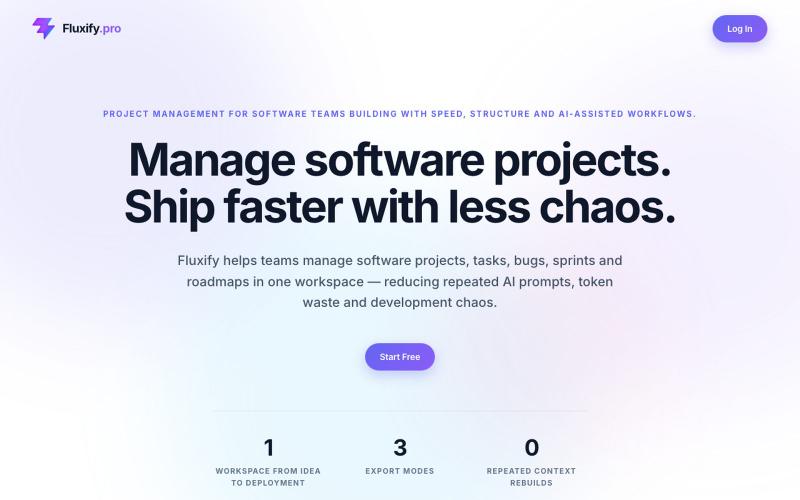
Organize projects, tasks, bugs, sprints, and roadmaps in one workspace with AI context exports.

@Fluxify_pro · X
everyone who sign up today, get free pro plan, without credit card
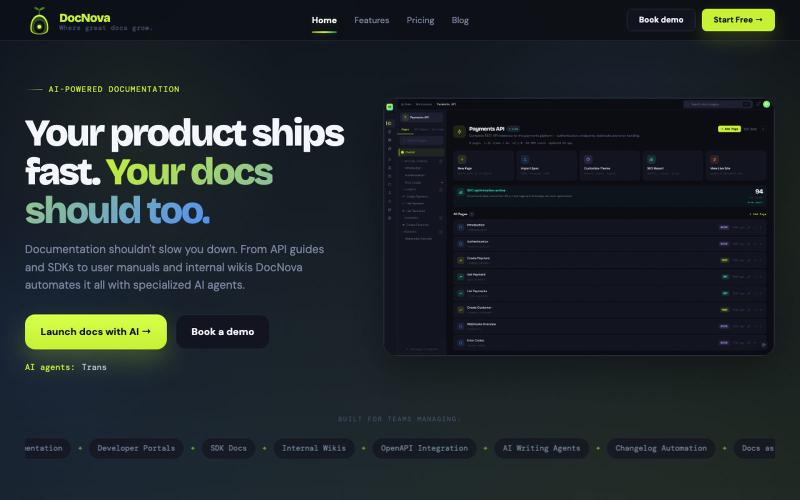
Create branded developer portals from API specs and documentation with AI-assisted writing.

@jitendraballa · X
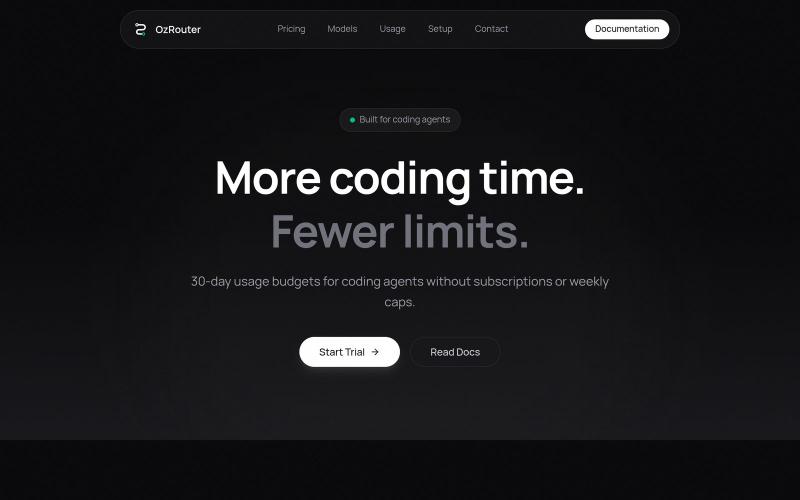
Manage API keys and usage budgets for coding-agent workflows with request routing.
u/Zyron_X · Reddit
I built a service for people to use Codex API without 5-hour limit disruption I built a small service for people who use the OpenAI Codex API regularly and want more predictable usage without the 5-hour or weekly limits. It currently provides: Frontier OpenAI models (GPT 5.6 family included) Managed API key Monthly usage budgets depending to plan No 5-hour limit No weekly limit Under the hood, it is built on top of an open-source project and proxies requests to