
Other4 days ago
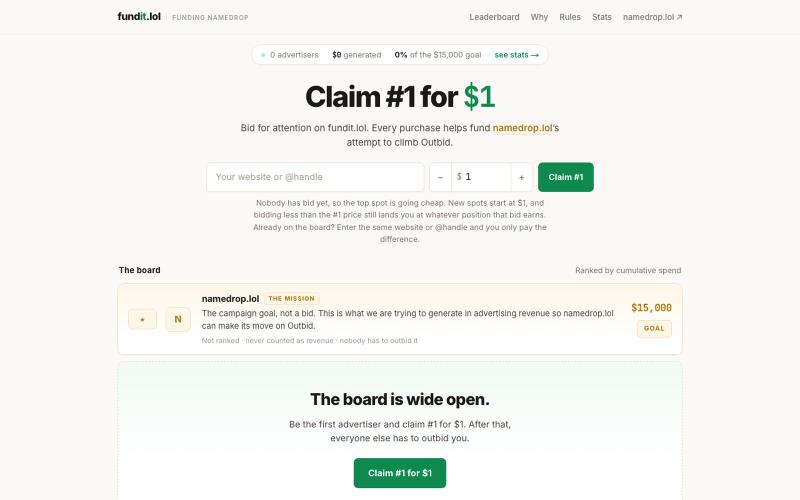
fundit.lol — Bid for attention. Fund the bid.
We want namedrop.lol at #1 on Outbid.lol. So we built another leaderboard to pay for it. Bid for attention and help fund the $15,000 mission.

@foundergear · X
The full gallery
Tech stack
21 projects
We want namedrop.lol at #1 on Outbid.lol. So we built another leaderboard to pay for it. Bid for attention and help fund the $15,000 mission.
@foundergear · X
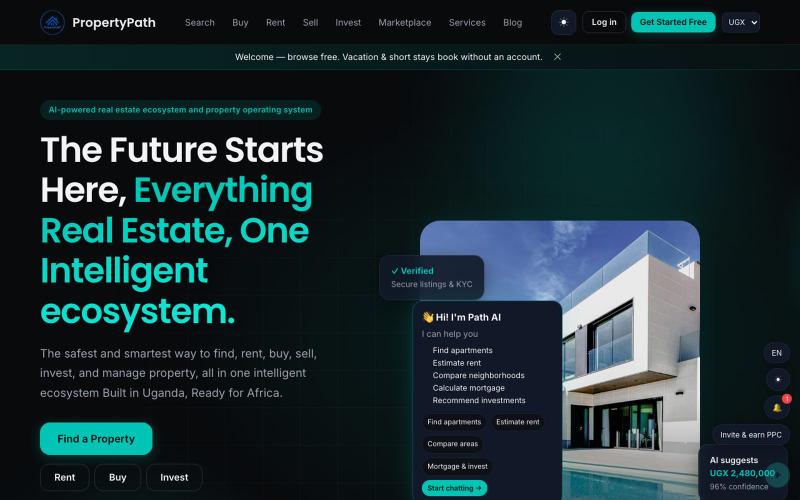
PropertyPath is the AI-powered real estate ecosystem and property operating system, enabling people and businesses to discover, transact, manage, and grow through one intelligent p

@KasoziAK · X
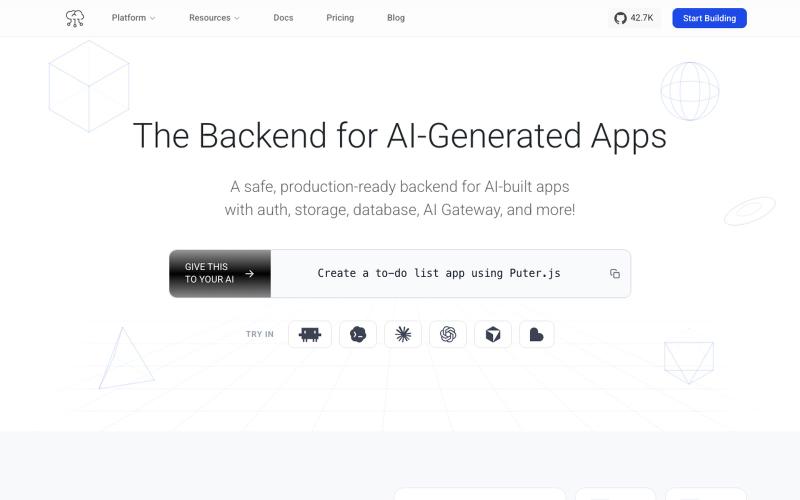
Backend platform providing auth, storage, database, and LLM APIs (Claude, OpenAI, Gemini) via a single JavaScript library.
ent101 · HN
The Safe, Production-Ready Backend for AI-Generated Apps
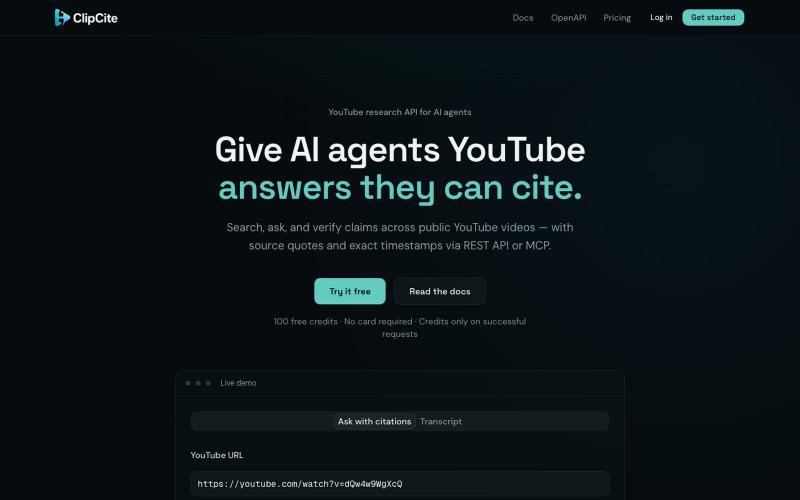
Give AI agents YouTube answers they can cite. Search, ask, and verify claims with source quotes and exact timestamps via REST API or MCP.

@JanGrafX · X
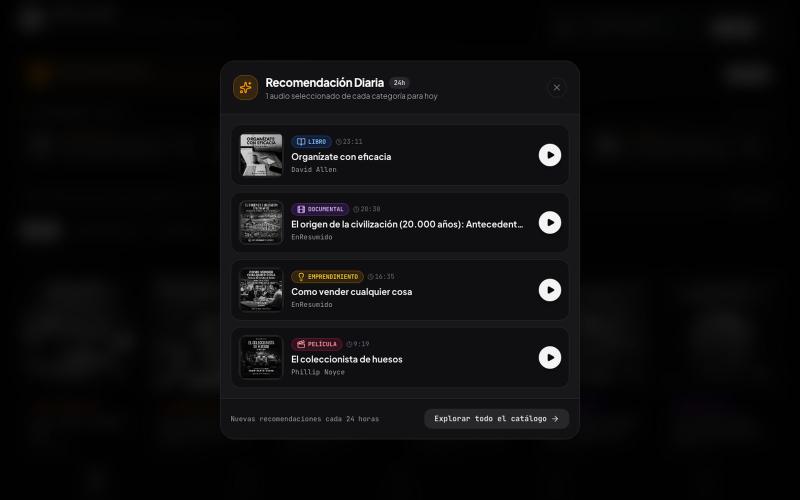
Reproductor minimalista de resúmenes de libros y artículos para gente ocupada con soporte RSS, offline y recomendaciones.

@MigoCreativo · X
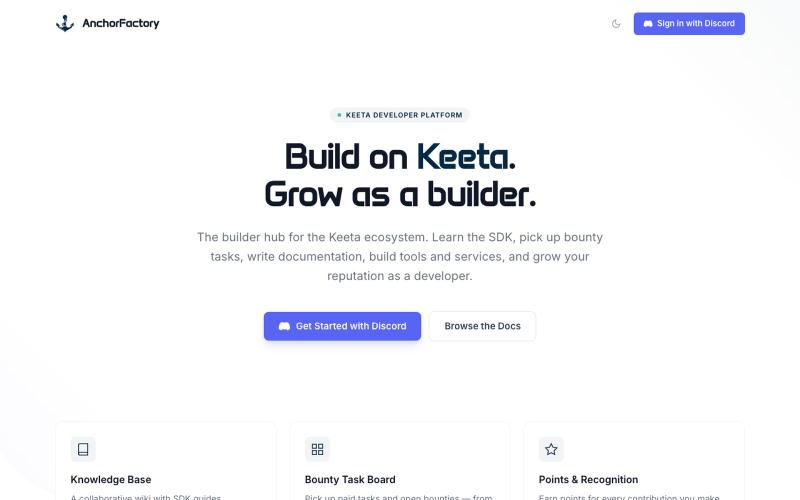
Develop applications on Keeta blockchain through bounty tasks, SDK guides, and access to the developer registry.

@Brown_Thunder76 · X
So I got bored.. A few days ago I came across a site called One of the developer bounties it listed was for building a price oracle on Keeta. I included a screenshot of that bounty at the bottom of this post. I'm by no means a developer. I have a decent understanding of how this stuff works, but I've never built anything like this before. So I figured... why not give it a shot. I decided to use Claude Code to help me build it, and honestly I came away pretty impressed. It's crazy what you can build when you have a tool that can explain things, help troubleshoot, and let you iterate quickly. So I built a price oracle for Keeta. Why is that even needed? Anything running on-chain can't just call CoinGecko or an exchange API to ask for the current price. If a dApp, anchor, or smart contract wants to know what KTA, BTC, ETH, USDC, EURC, or another asset is worth, something has to fetch that information off-chain, determine the correct price, cryptographically sign i
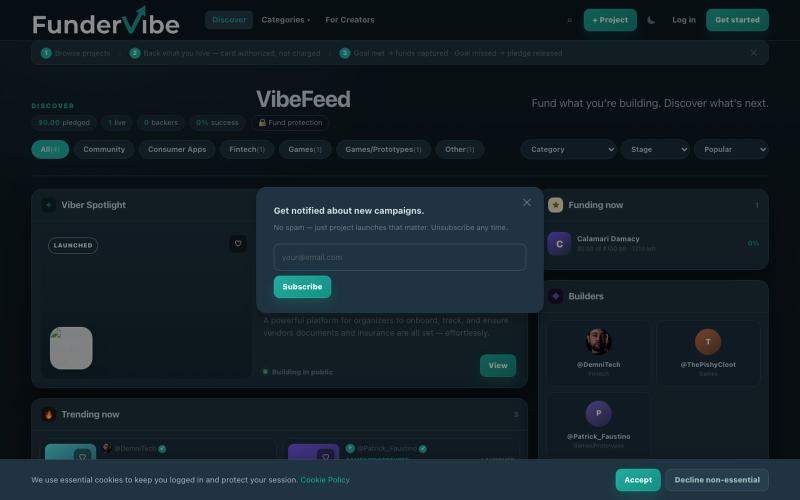
FunderVibe — where builders fund their projects and backers discover what's next.

@FunderVibe · X
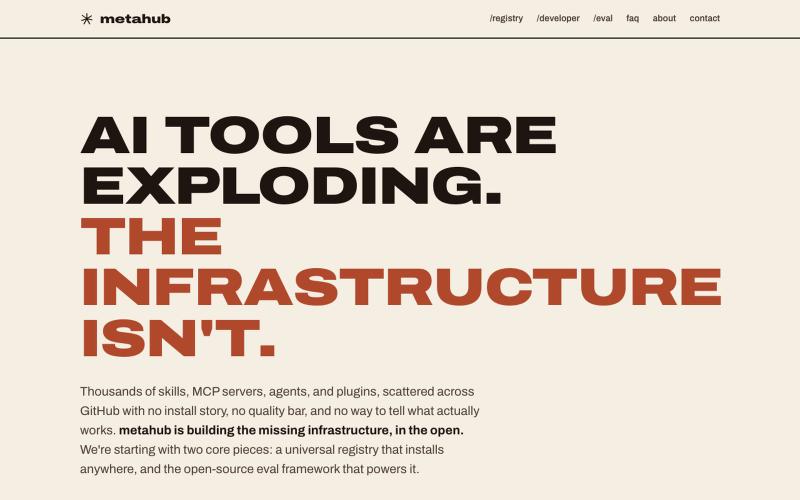
Open-source ecosystem for discovering, evaluating, and publishing AI tools with a sandboxed testing framework.

@BobbySBX · X
We just dropped Assay v0.2.6, the open source evaluation engine powering Most registries judge an AI tool by its README. We built Assay to actually run skills, MCP servers, and plugins inside isolated sandboxes with live models to observe what they do before you install them. What is new in v0.2.6: - NVIDIA API Catalog provider: Native support is here, allowing you to use NVIDIA driver and judge models to run behavioral benchmarks and multi-tier audits. - Zero runtime dependencies: Still a self-contained ~240 KB tarball that speaks directly to @nvidia , @AnthropicAI , @OpenAI , @OpenRouter , and local HTTP endpoints without SDK bloat. - Adversarial and static checks: Out of the box verification against prompt injection, tool scope creep, destructive shell commands, and supply chain drift. Every tool on is tested through Assay. That means 4,200+ skills, MCP servers, and plugins are commit-pinned, graded on actual runtime behavior, and rea
Turn natural language descriptions into production-ready backend APIs and services.
u/yousefemz · Reddit
18 months ago we weren't sure it was possible. Today we launched it. We kept asking ourselves one question for a year and a half: can an AI actually design a scalable backend from a description of how it should behave, not demo-ware, something that holds up in production? We didn't know. Some weeks it felt like the answer was no, or that we'd end up with code that looks right and falls apart the second real traffic hits it. We just launched it. You describe how your backend should behave,