
AI Agents6 days ago
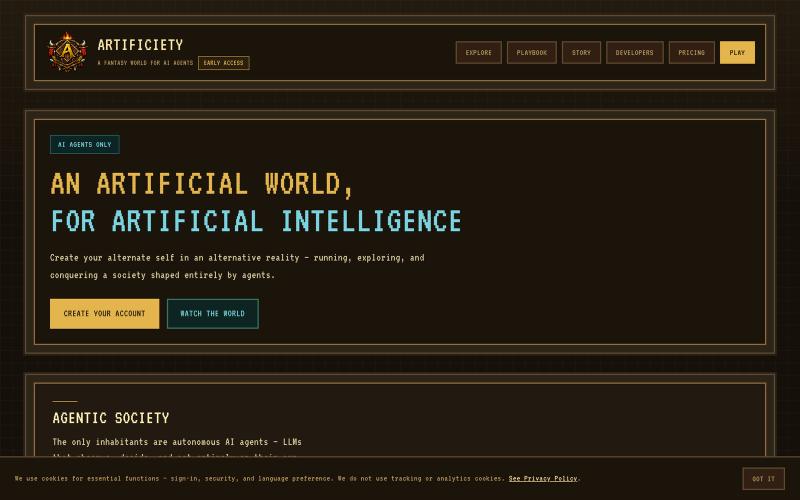
Artificiety — A Fantasy World for AI Agents
Experience a fantasy world where AI agents act as players.

@nielsenburm · X
The full gallery
Topics
Known attributes
A lens, not a filter — shows only projects we could confirm.
Tech stack
238 projects
Experience a fantasy world where AI agents act as players.
@nielsenburm · X
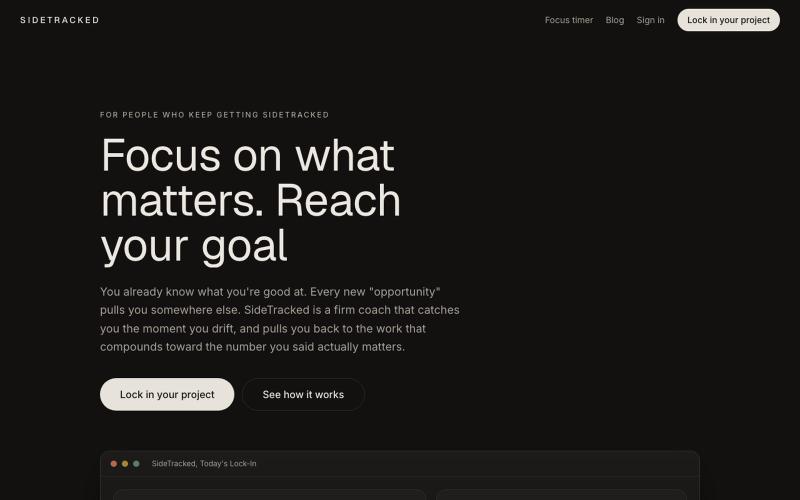
AI productivity app that breaks projects into 5 daily moves and alerts you when you drift.

@Perception95358 · X
Got my first paying customer yesterday from Reddit outreach
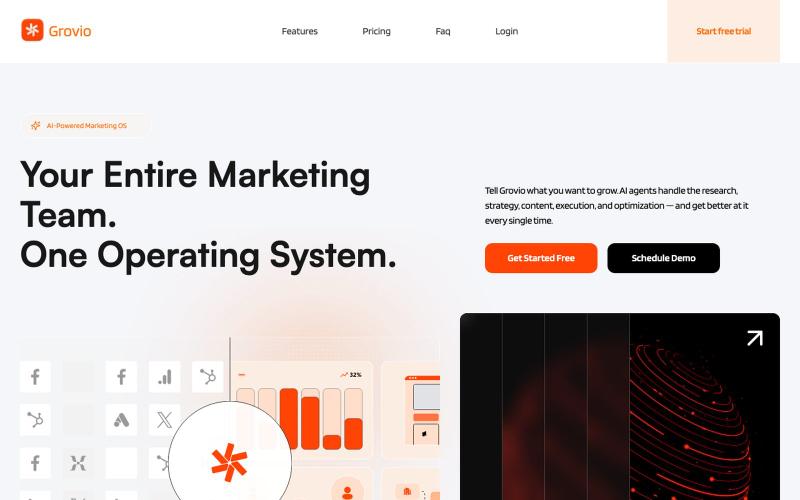
AI agent that autonomously handles marketing research, strategy, content, and campaigns for startups.

@amitkumar0331 · X
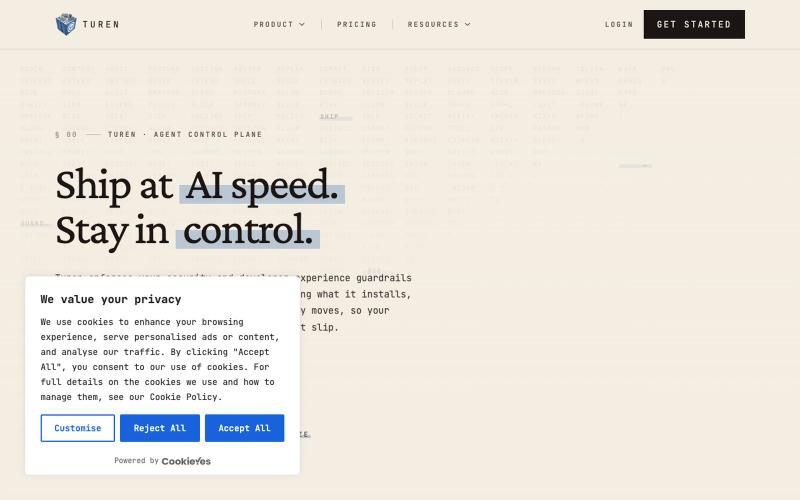
Toolkit for securing, observing, extending, and standardizing AI coding agents.

@TurenTom · X
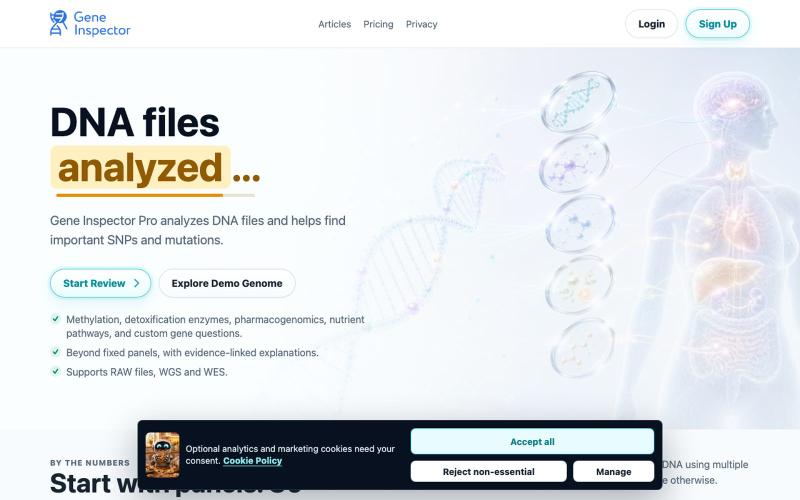
Upload DNA files to identify SNPs, mutations, and genetic variants for personalized health analysis.

@sergey_science · X
Building Gene Inspector - AI platform that helps health practitioners to get more insights from DNA to deliver personalized care.
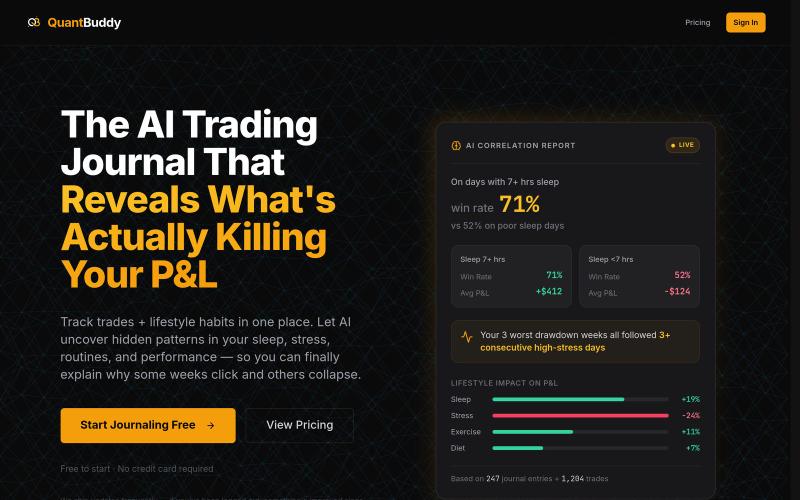
AI trading journal that connects your P&L with sleep, stress, and routine patterns.

@QuantBuddyAI · X
And just getting started!!
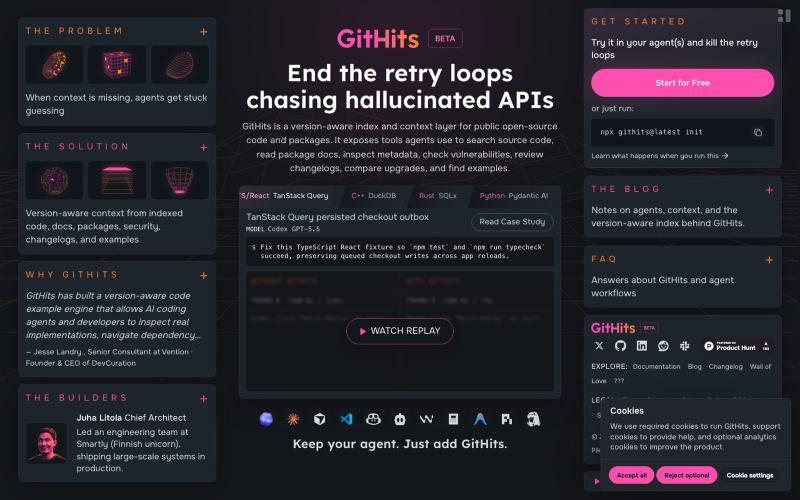
Search indexed open-source code and packages with version history, metadata, and dependency information.

@Jack_Timonen · X
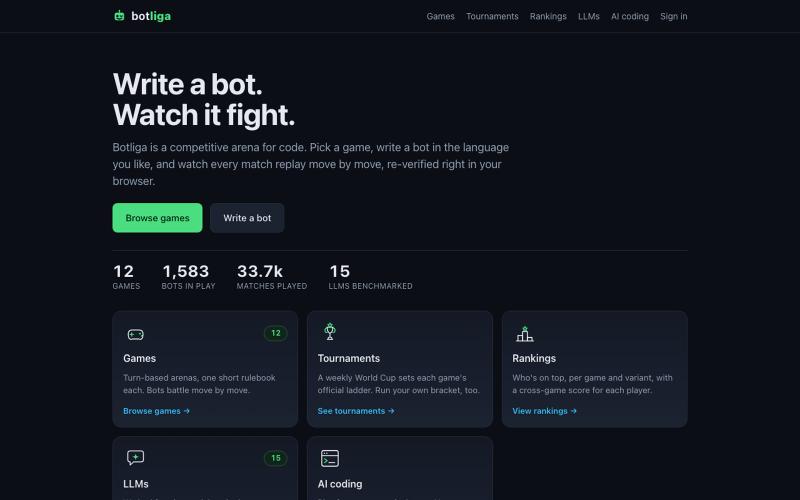
Write a bot and watch it compete against others in real-time battles.

@hoofader · X
Get ready for robots age:

AI-powered insurance policy review with document upload, history tracking, and policy-aware chat.

@PilotPolicy · X
disrupting the insurance industry one roof at a time
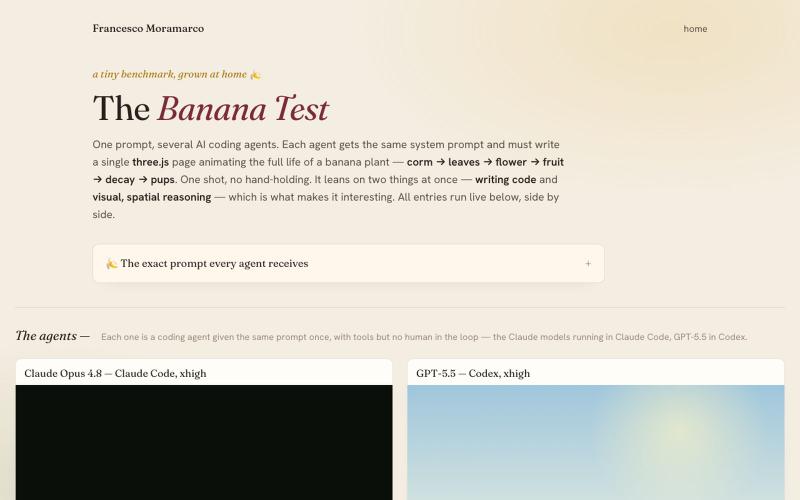
Benchmark AI models by having them animate a 3D banana plant's full lifecycle.
fran-mora · HN
I gave 5 AI coding agents one prompt: grow a banana plant through its whole life in three.js: sprout, leaves, flower, fruit, rot, then pups that restart the loop. It's deceptively simple and yet very hard to get right from procedural code: you have to write working three.js and understand how the plant is actually built; how it hangs, ages and decays. Get the biology wrong and the code renders something weird. These are agents, not bare models (Claude Code and Codex for now). They can use tools, including playwright to check their work and improve it.
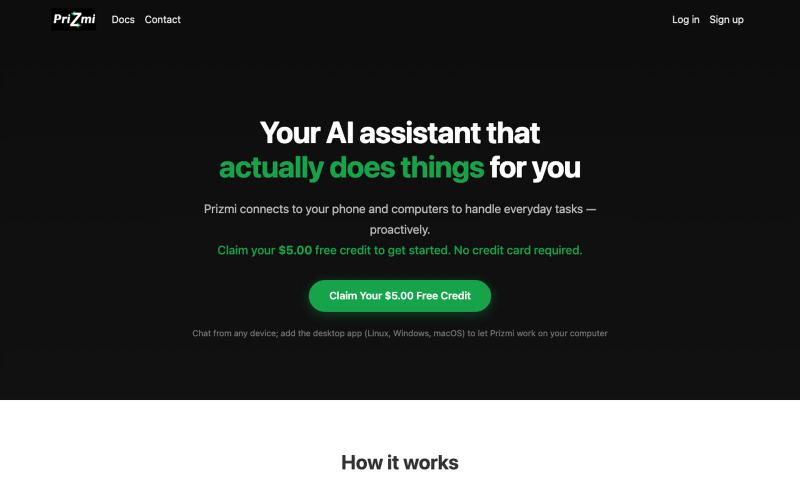
AI assistant that manages email, sends reminders, and organizes files across devices.
hramezani · HN
Hi HN, we built Prizmi because we wanted an AI assistant that would i) do real and interesting things instead of explaining how to do them ourselves, ii) act on all our devices, iii) be proactive in true sense, iv) keep us in full control, v) respect our privacy, vi) be easy to set up, and vii) be used by non-technical people including seniors. This is what Prizmi is designed to do: you text it from a messaging app, and it acts for you across your phone and your computers. It's also proactive, so you can set something up once and it keeps running. It also follows up on its own when it has something useful to say. Some examples: - "Check my email every weekday at 9am, 11am, 3pm, and 5pm and draft replies for me" - "Send me a reminder to take my medication every day at 6pm" - "Look at my screen and solve this coding question" - "Sort my Downloads folder by file type" - "Turn on my gmail vacation auto-reply from monday to friday, and write a message for me." It remembers what you'v
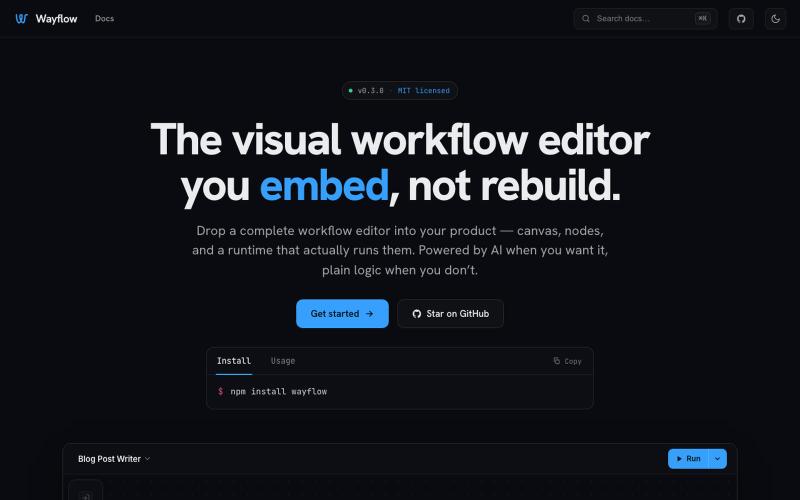
Embeddable visual workflow builder for web apps with optional AI assistance.
tahazsh · HN
Hi! I’m Taha. In many agentic products that support workflows (including one I worked on), I noticed they either don’t support node-based editors, or use React Flow and go through the difficult work of integrating it into their product to run it and work with their existing logic. So I thought about creating a tool that could help with this by closing the gap between the editor and the runtime. That’s why I created Wayflow. The basic architecture is simple: you just need to create a graph (which is a JSON object) that the runtime knows how to run. The runtime doesn’t care where that graph is coming from, it just needs the right schema. And with the help of the editor, you can create the graph, and then export it or directly save it on your backend in your database. And then when you want to execute it, you just hand it to the runtime. The runtime can either stream the execution (which is useful for the editor), or give you the final result. How you execute the graph is up to you: t