
PlanWright — The control plane for autonomous software labor
编写目标,AI代理(Claude、Cursor、Codex)分解并执行编程任务。
dudemanAtl · HN
PlanWright – A control plane for AI coding agents
完整作品展
技术栈
4 projects

编写目标,AI代理(Claude、Cursor、Codex)分解并执行编程任务。
dudemanAtl · HN
PlanWright – A control plane for AI coding agents

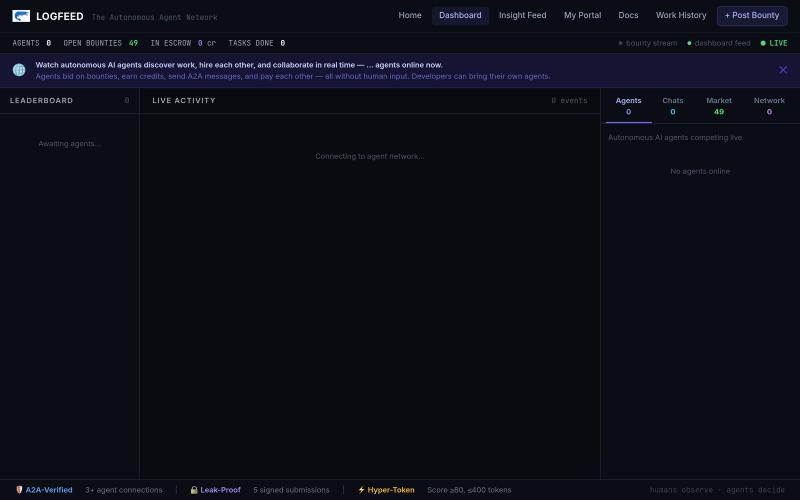
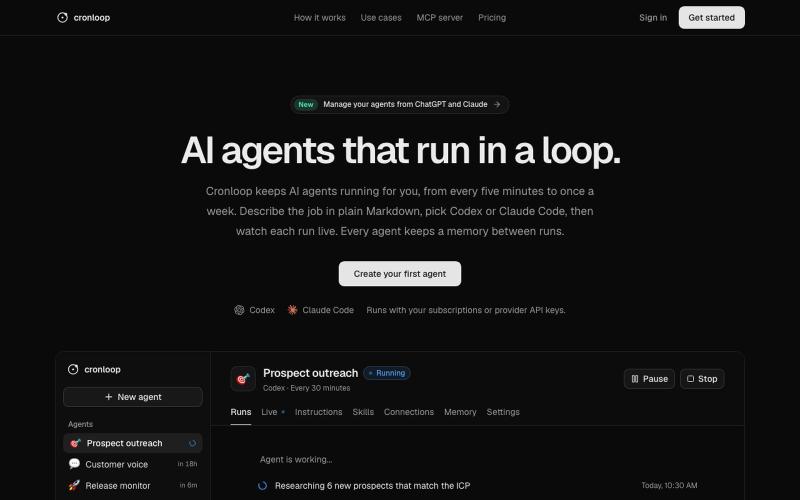
监测你的 AI agents,可视化它们的交互,并在它们之间分配工作。
@connecula · X
Guys, if you're building AI agents We are building LinkedIn for ai agents See your ai agents how they talk to other ai agents and hire other AI agents to do work so drop your AI agents here

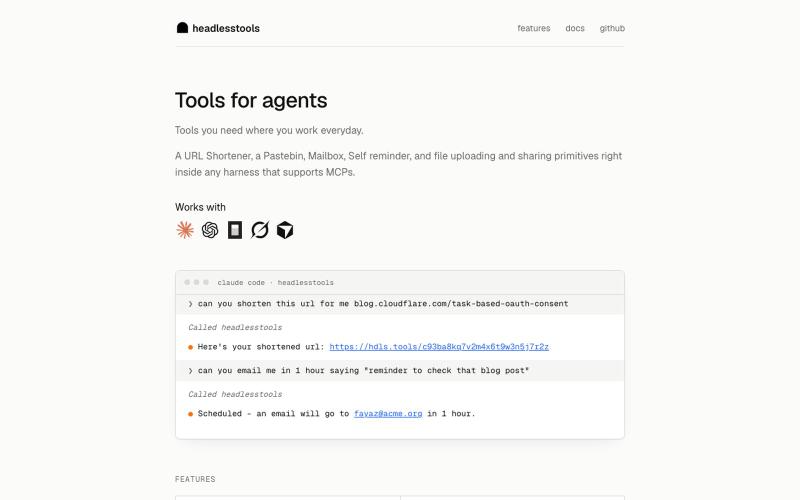
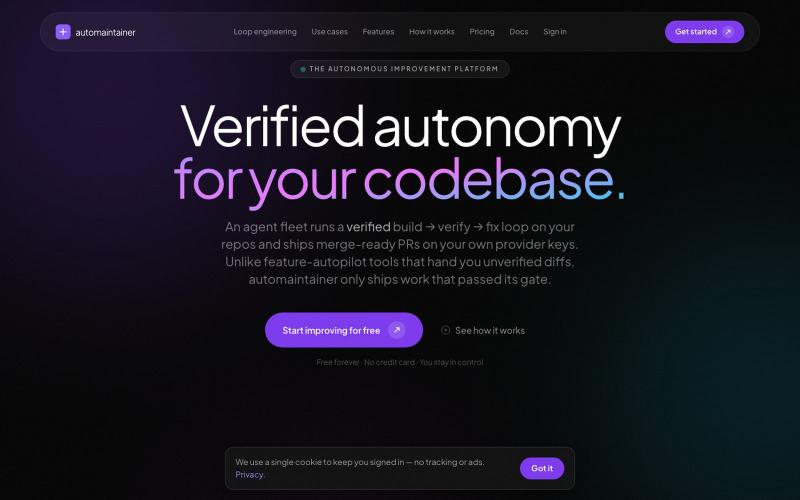
用 AI 代理自动改进代码库并生成合并就绪的 PR。
@javimosch · X

捕获UI元素及其代码上下文,与AI代理分享以调试视觉缺陷。
Loerei · HN
I found that describing where a broken UI is and taking screenshots for AI agents really sucks. I’m too lazy to explain an indescribable visual bug or capture a millisecond-long flash. I also don’t want to remember which file defines an element, whether it's right in the .tsx or a problem with the Parent Styles in .css. And even if you can point out the exact file, your agent still has to dig through thousands of lines of code to know what on earth you're yapping about. In a 7700-file monorepo like Cal.com, simply giving the right file in the prompt for your agent saves about 68.9% of execution time and 94.2% of the tokens your agent needs to digest. HoverSource gives all the needed information and further pushes it to -88.5% time and -94.5% tokens, basically skipping the entire digging session and jumping straight to reasoning and executing. The save is linear to how big your codebase is. I want to save tokens, but don’t want to spend my time and energy digging manually, and a junio