

开发者工具5 days ago
VibeLint - AI Agent Security for Code, Tools, and Workflows
VibeLint 为 AI 代理提供代码检查、权限控制和审批工作流。

@RElharrak39428 · X
完整作品展
技术栈
60 projects
VibeLint 为 AI 代理提供代码检查、权限控制和审批工作流。
@RElharrak39428 · X
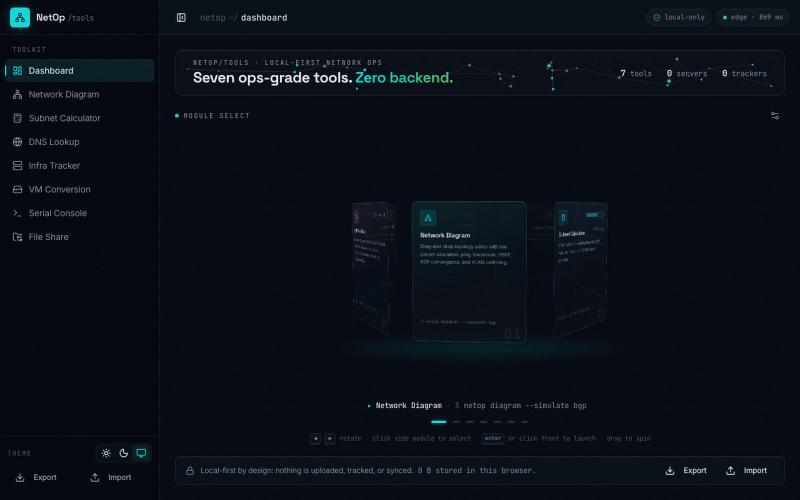
@UK_Daniel_Card I made something similar https://t.co/HCVGlFb8hF. Its completely vibe coded but it is supposed to be a vibe project. Been making it for about 6 months now. Feel fre

@slacksarenice · X
I made something similar Its completely vibe coded but it is supposed to be a vibe project. Been making it for about 6 months now. Feel free to take inspiration from it 😅
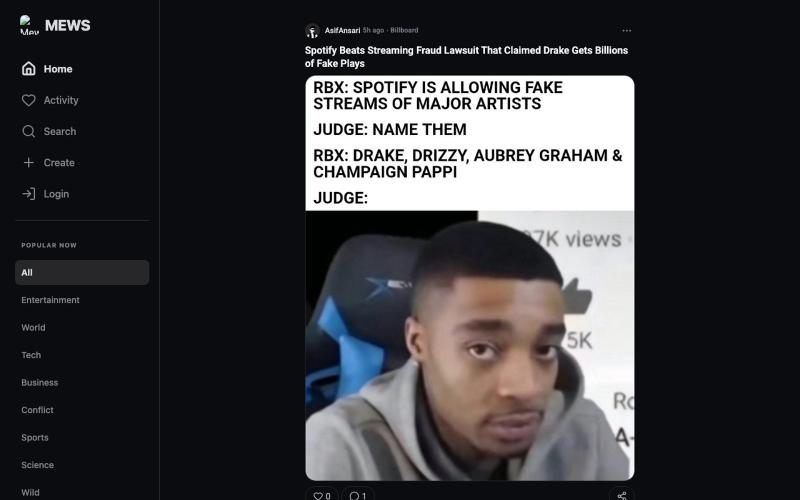
具有重新设计评论界面的社交平台。

@Asifansari6767 · X
Redesigned the comments page for Mews. The old one was vibe coded. Charcoal texts and bg everywhere. Everything inside cards. Very outdated design. let me know what you think of it. website: #vibecoding #uiux #productdesign
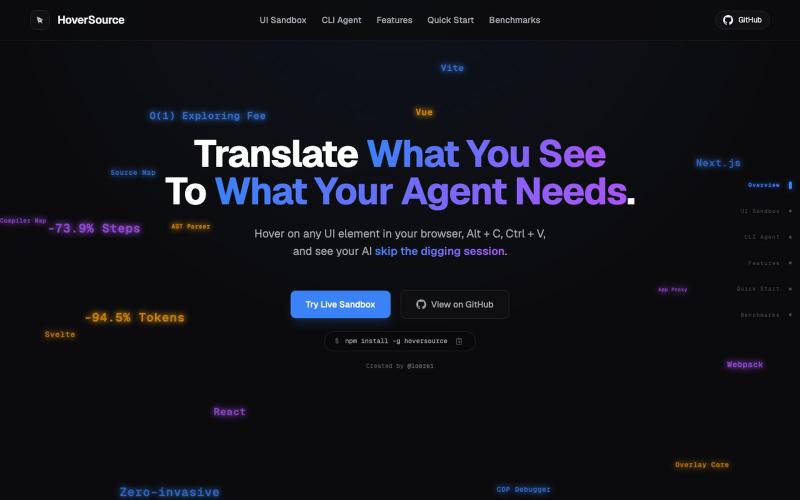
捕获UI元素及其代码上下文,与AI代理分享以调试视觉缺陷。
Loerei · HN
I found that describing where a broken UI is and taking screenshots for AI agents really sucks. I’m too lazy to explain an indescribable visual bug or capture a millisecond-long flash. I also don’t want to remember which file defines an element, whether it's right in the .tsx or a problem with the Parent Styles in .css. And even if you can point out the exact file, your agent still has to dig through thousands of lines of code to know what on earth you're yapping about. In a 7700-file monorepo like Cal.com, simply giving the right file in the prompt for your agent saves about 68.9% of execution time and 94.2% of the tokens your agent needs to digest. HoverSource gives all the needed information and further pushes it to -88.5% time and -94.5% tokens, basically skipping the entire digging session and jumping straight to reasoning and executing. The save is linear to how big your codebase is. I want to save tokens, but don’t want to spend my time and energy digging manually, and a junio
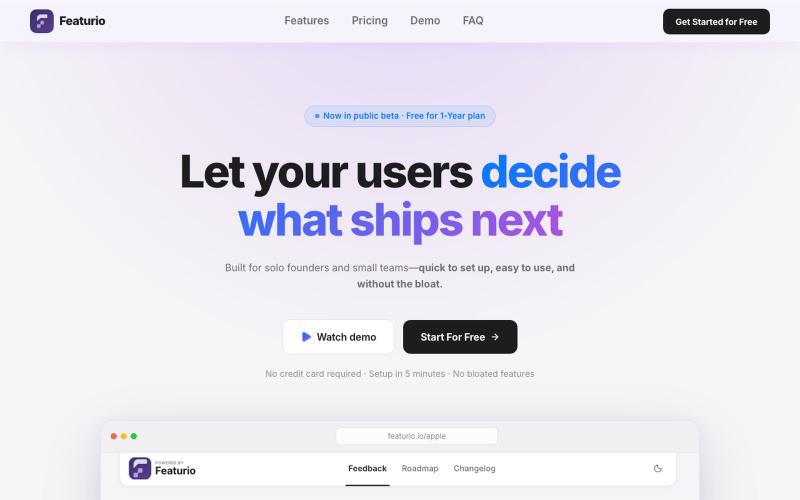
集中管理客户反馈,通过投票排序,并分享交互式产品路线图。

@himanshu_b20 · X
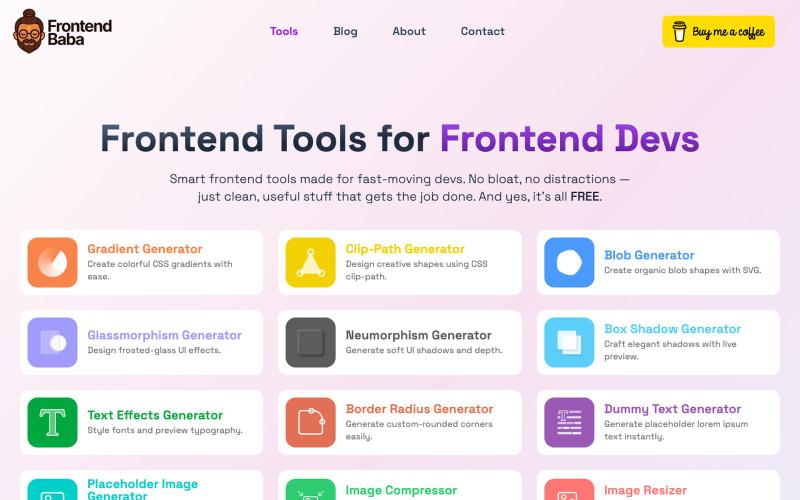
免费前端开发工具,包括CSS生成器、图像压缩等功能。

@iamdeepak89 · X
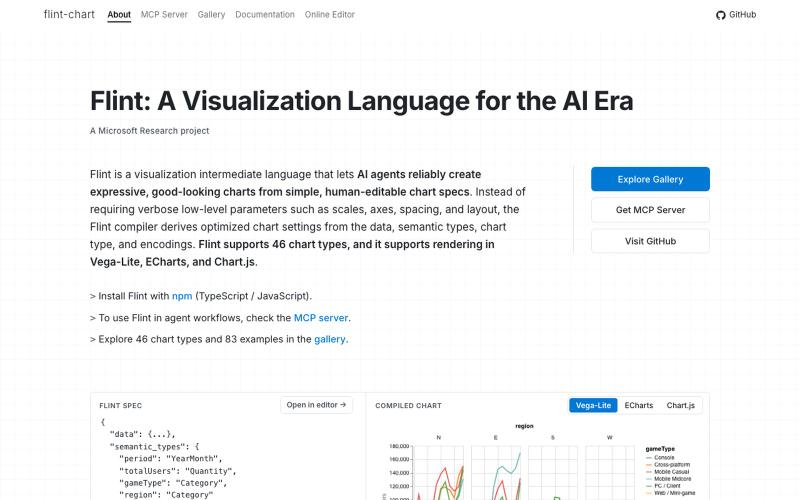
Flint是为AI代理设计的可视化语言,用于创建交互式数据可视化。
chenglong-hn · HN
Data visualizations are the bridge between user and data. But building AI agents that can generate visualizations reliably can be very tricky: - simple chart specs can be reliable, but generated charts are often of low quality due to reliance on system defaults; - complex chart specs with explicit details can produce good-looking charts, but they are verbose and agents can struggle with reliability We figured out it is a limitation on the language issue (not just AI capability thing) -- current visualization languages are a bit too low-level for AI agents, requiring them to explicitly make visual decisions that are supposed to be handled by a good compiler. Flint is a visualization intermediate language to address this issue, allow AI agents to solve this last-mile human-agent interaction problem. It provides a simple semantic-type based specification, and contains a layout optimization engine that can produce good-looking charts (filled with derived low-level details) from simple
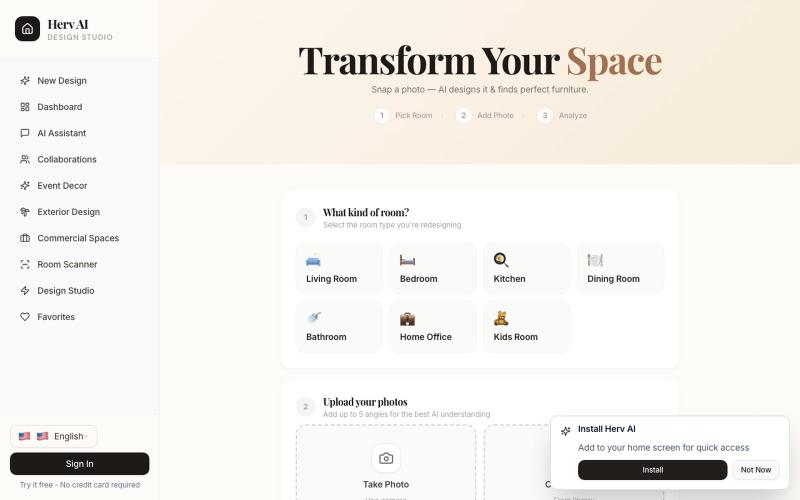
AI 驱动的设计平台,帮助你设计空间、可视化家具并购买家具。

@Nextechlabsinc · X
an intelligent space design platform that helps you design, visualize and purchase furniture all in one workflow. Ideal customers: interior designers, homeowners, renters and Airbnb hosts…
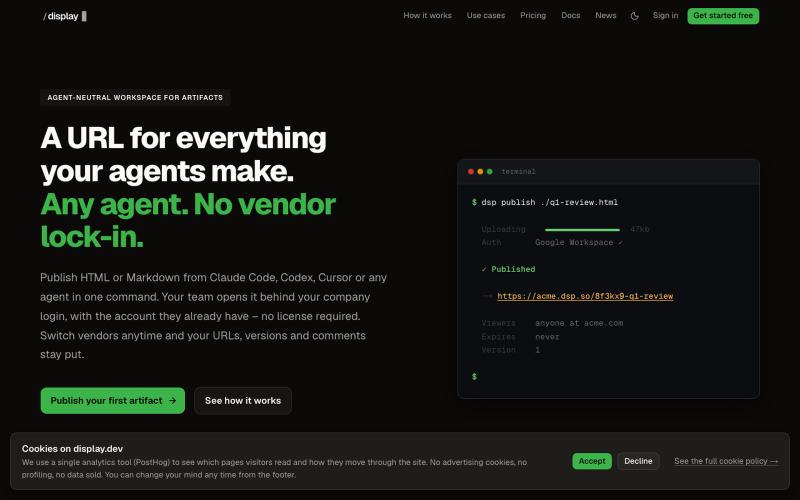
Publish HTML and Markdown artifacts from any AI agent with version history and team access.

@slashdisplay · X
One feature, two agents, one URL. Carl published v1 from Codex. Claude Code iterated to the version that shipped – every hand-off attributed in the audit log. A 3-minute walkthrough of a real workflow:
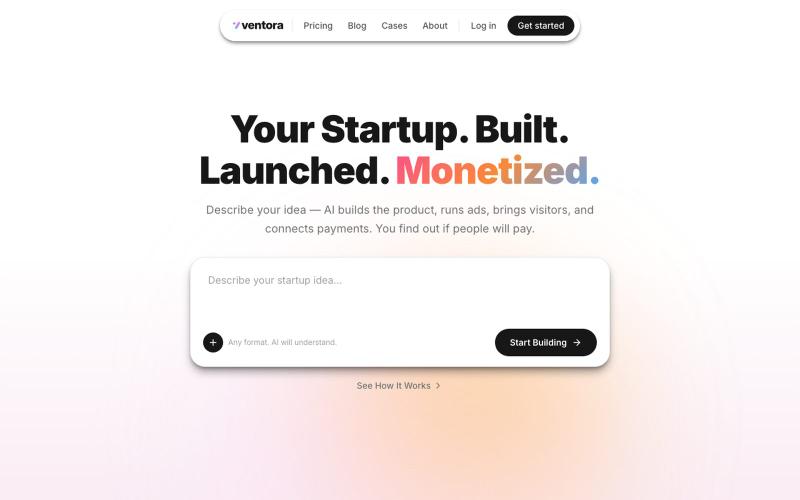
描述一个想法,AI 为你构建、营销和货币化产品。

@thebuildclub_cc · X
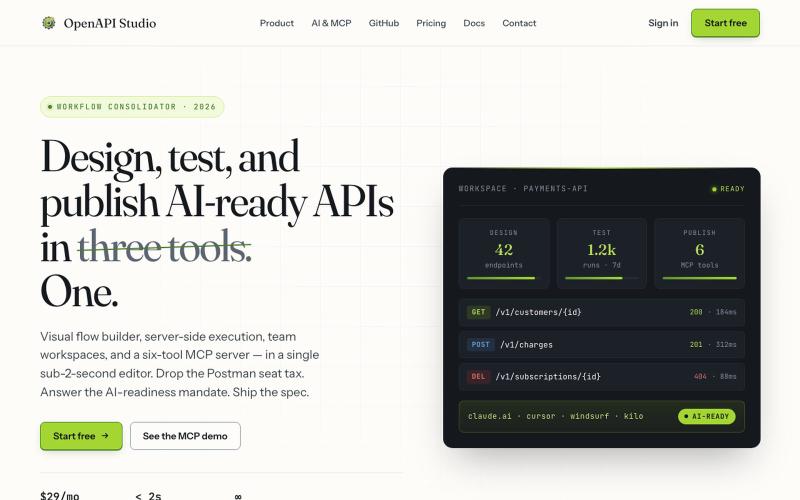
用可视化编辑器设计、测试和发布AI就绪的API。

@milonspace · X
A specification nobody can find is functionally the same as no specification.
