
开发者工具1 month ago
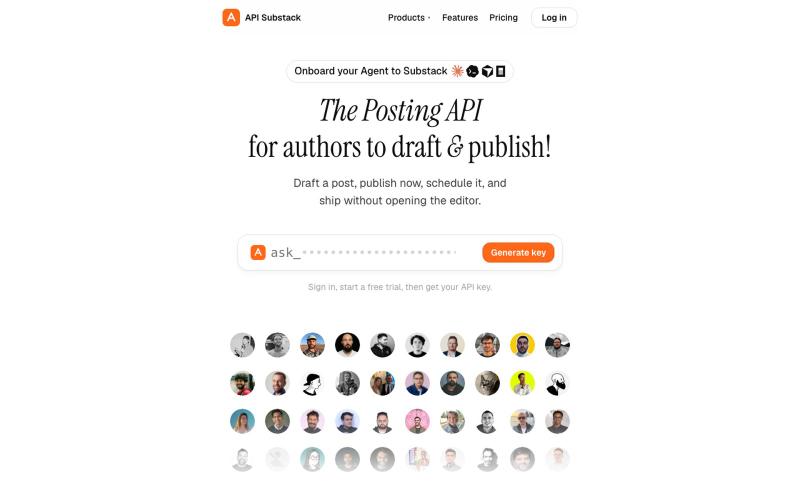
API Substack — Posting API for Substack authors
通过 Python SDK、CLI 或 MCP 草稿、发布和排期 Substack 文章,无需浏览器。
bigmuzzy · HN
The Posting Substack API
完整作品展
技术栈
60 projects
通过 Python SDK、CLI 或 MCP 草稿、发布和排期 Substack 文章,无需浏览器。
bigmuzzy · HN
The Posting Substack API
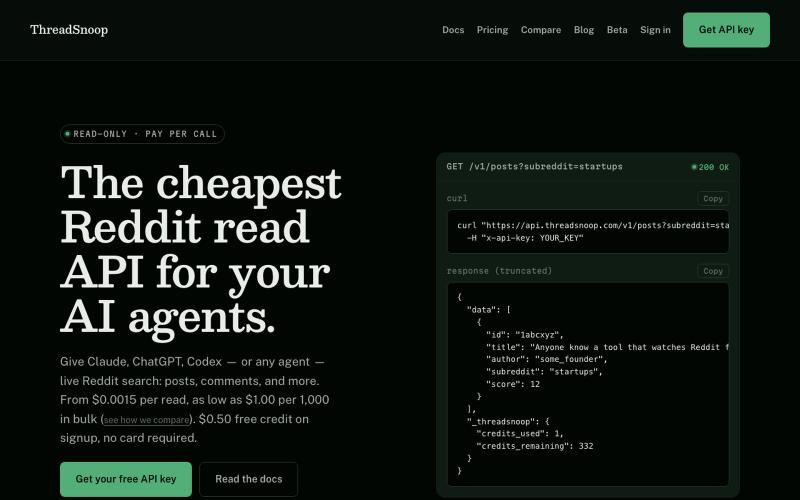
通过 ThreadSnoop API 访问 Reddit 数据,为 AI 代理开发提供免费积分。

@thread_snoop · X
Give you claude/codex free access to search through reddit :)
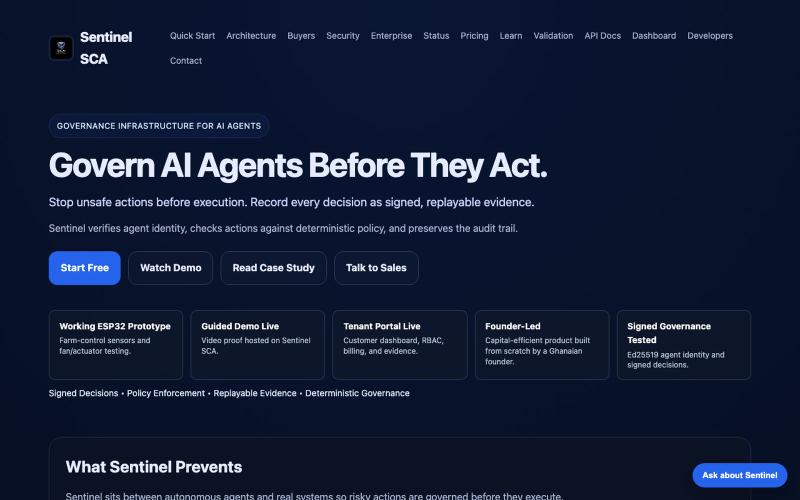
@Guronnimo https://t.co/Y2IrW2QCZQ

@SentinelSCA · X
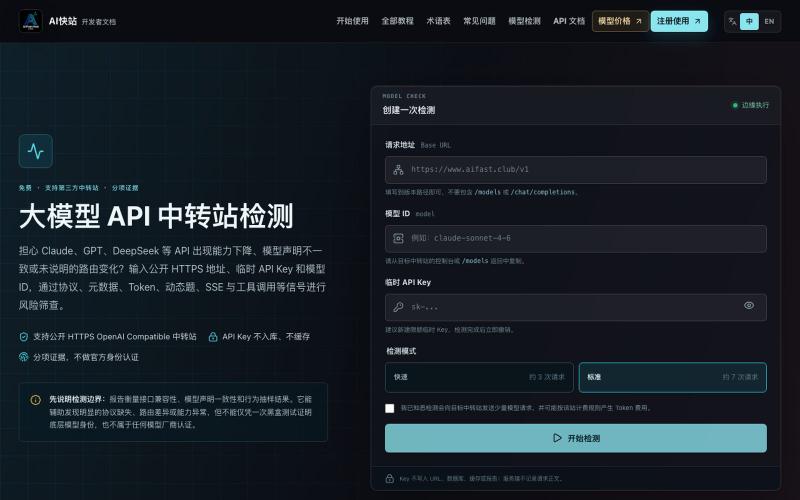
检查 OpenAI 兼容的 API 端点的模型质量和协议兼容性问题。
AI快站模型质量检测 — 面向 OpenAI Compatible 接口的网页检测工具,输入公开 HTTPS 地址和临时 API Key,可检查模型声明、Token、动态题、SSE 与工具调用并生成分项报告;密钥仅用于当次检测,不写入数据库、缓存或日志
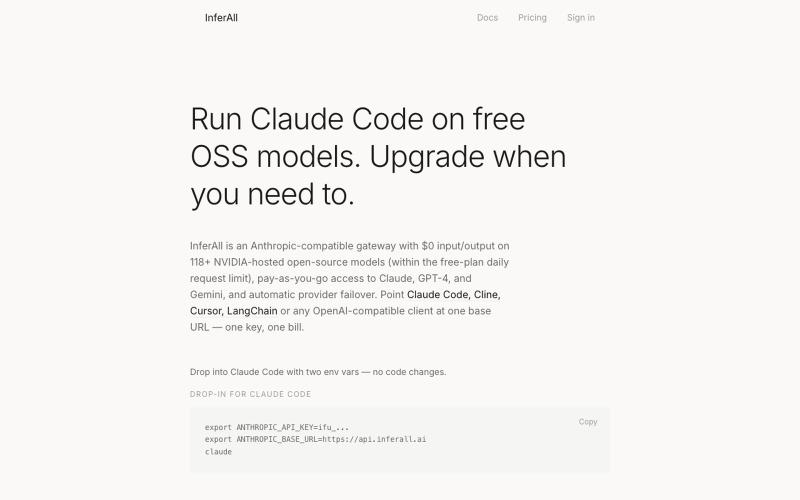
通过InferAll统一API访问207+个AI模型
TaylorM492 · HN
InferAll – One API for OpenAI, Anthropic, Google, Nvidia Nim
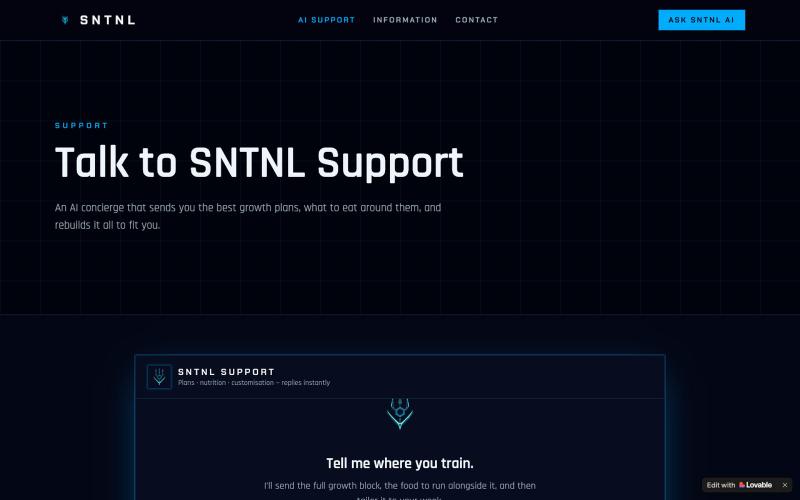
SNTNL AI 教练助手会根据您的器材和日程为您定制个性化训练和营养计划。

@Sentinelx_real · X
Check out what I just built with Lovable!
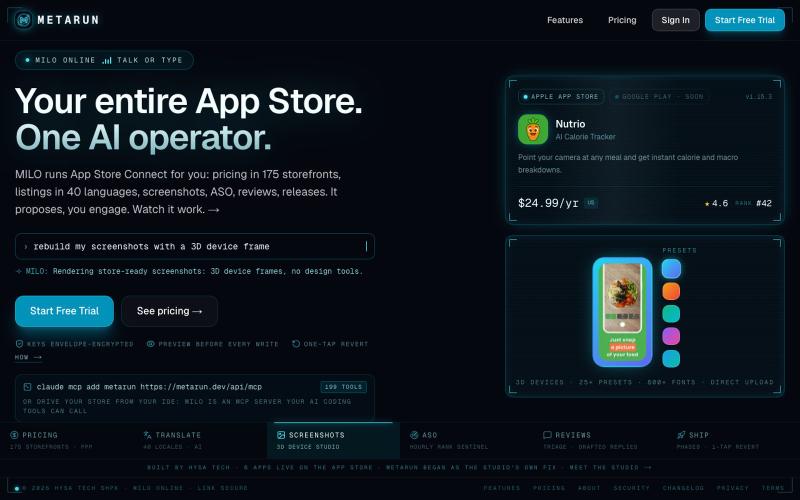
自动化App Store Connect任务,包括批量定价、截图、翻译和发布。

@RedjanHysa · X
App Store Connect makes simple things painful, so I built . Localizing pricing across every available storefront, writing and translating all app's metadata, editing screenshots in one tool and uploading them in another... well, that just takes time from actually building. With MetaRun you have everything in one place: bulk pricing with ppp-based localization, AI-translated metadata, screenshot studio where you edit screenshots, translate them in every language you support and publish them with one click, and many other tools. Oh, you can also use MetaRun directly in Claude Code, Codex, or whatever agent you're using, via MCP, so you never leave your IDE :). Check it out and tell me what you think.
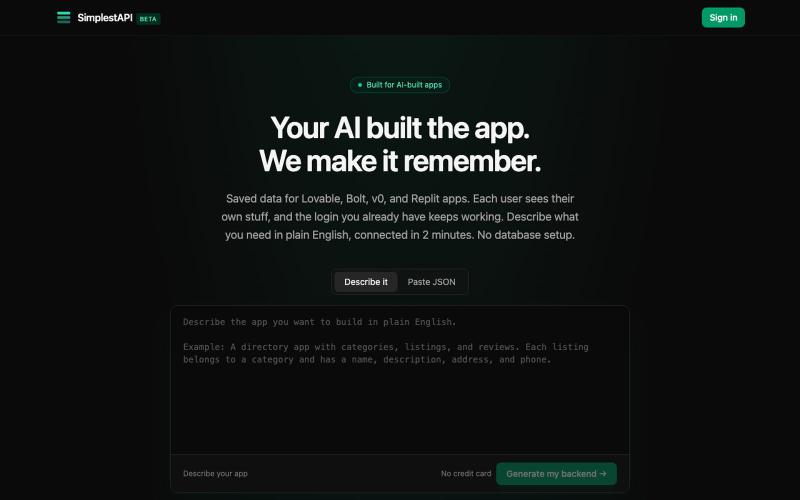
SimplestAPI:为 AI 应用添加数据存储和登录,无需数据库设置。

@MuratOnX · X
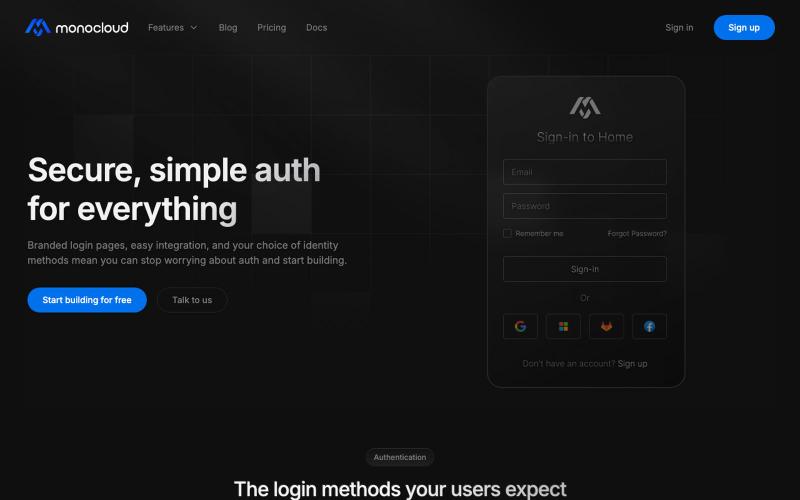
使用 MonoCloud 为应用添加认证,支持通行密钥、SSO 和多因素验证。
roguetink · Product Hunt
MonoCloud for Startups One identity layer for your customers, APIs, and agents
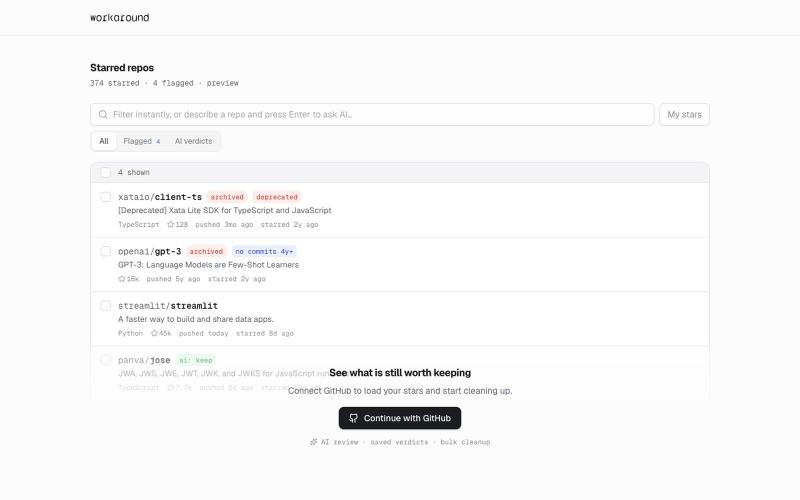
提供日常软件实用修复的浏览器工具,首先支持GitHub。
yusveng · HN
Workaround – Unstar GitHub Repos in Bulk

为网站添加AI社交证明弹窗,展示实时销售通知和访客数。

@bnscoin · X
Please drop a feedback about be honest
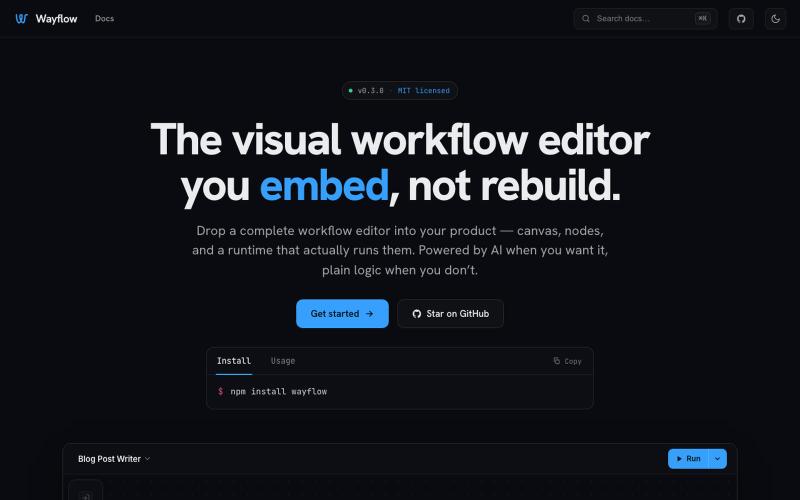
可嵌入的可视化工作流编辑器,支持AI驱动或纯逻辑设计。
tahazsh · HN
Hi! I’m Taha. In many agentic products that support workflows (including one I worked on), I noticed they either don’t support node-based editors, or use React Flow and go through the difficult work of integrating it into their product to run it and work with their existing logic. So I thought about creating a tool that could help with this by closing the gap between the editor and the runtime. That’s why I created Wayflow. The basic architecture is simple: you just need to create a graph (which is a JSON object) that the runtime knows how to run. The runtime doesn’t care where that graph is coming from, it just needs the right schema. And with the help of the editor, you can create the graph, and then export it or directly save it on your backend in your database. And then when you want to execute it, you just hand it to the runtime. The runtime can either stream the execution (which is useful for the editor), or give you the final result. How you execute the graph is up to you: t