
创意工具1 month ago
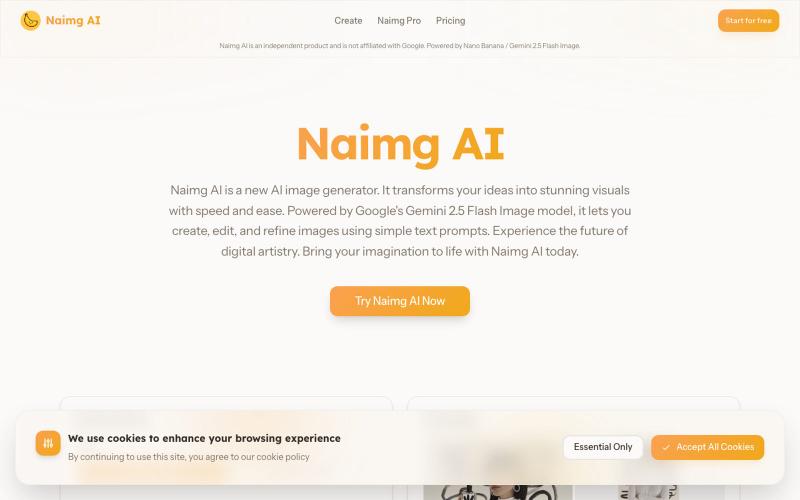
Naimg AI: AI Image Generator for Instant Creativity
用 Google Gemini 生成和编辑 AI 图像
Nano Banana AI — 基于市面上最强的 AI 图像编辑模型 Nano Banana 开发的图片编辑器,用嘴改图、保持角色一致性、控制细节、图片融合
完整作品展
技术栈
60 projects
用 Google Gemini 生成和编辑 AI 图像
Nano Banana AI — 基于市面上最强的 AI 图像编辑模型 Nano Banana 开发的图片编辑器,用嘴改图、保持角色一致性、控制细节、图片融合
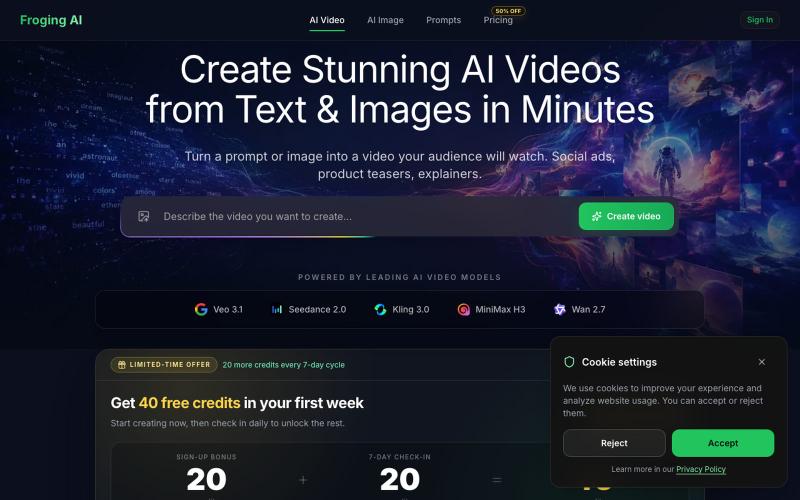
从文字和图像生成高清 AI 视频,支持 Kling、Veo 等多个模型。
hashkitly · HN
Froging AI – image and video models in one workflow
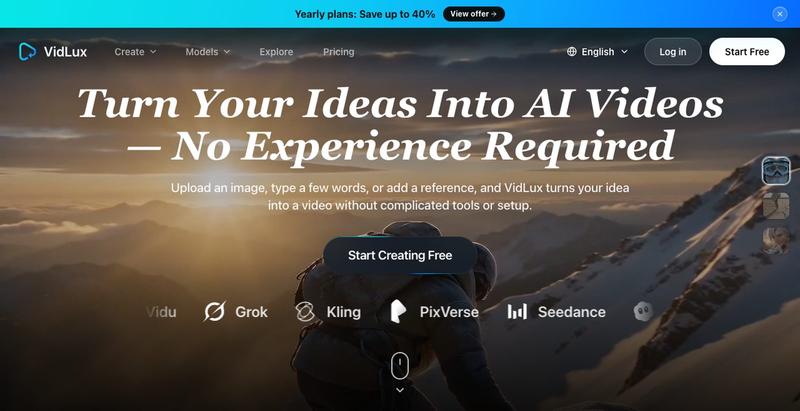
从文本、图像或参考片段生成AI视频,支持动作控制。
VidLux AI — AI 视频生成与编辑平台,支持文生视频、图生视频、参考生视频和视频编辑
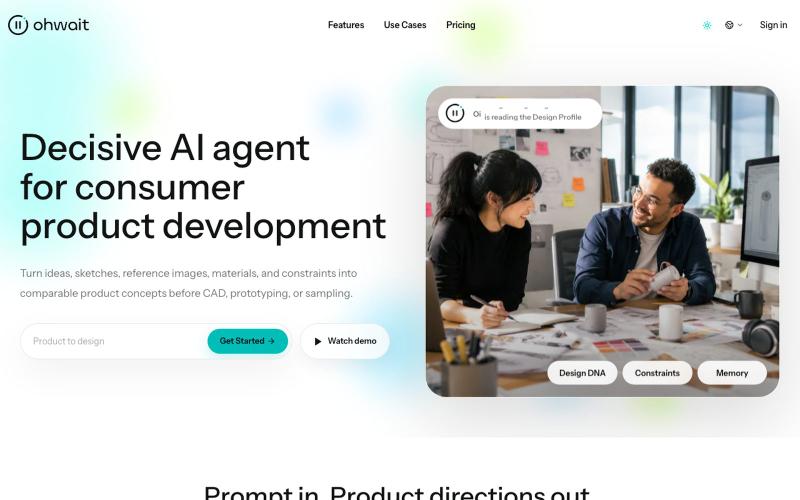
Ohwait 是一个能从想法、草图和图像生成可比较的产品概念的 AI 代理。

@hedge8og · X
4月23日,我开始用 Codex 搭自己的产品。到现在,满3个月了。 截至7月19日,Codex 页面显示247.1亿个 Token,连续使用54天。标题里的“250亿”是取整,准确数字以截图为准。 这三个月,我把 做上线了,产品介绍视频改了很多版,也借助 Codex 做了不少以前一个人很难完成的工作。 具体一点:我用它整理过 BP、导出过 PDF、做过 PPT 工作稿,也把调研、文档、图片、浏览器操作、网站、视频和邮件这些常见 Skills 跑过一圈。有些后来真的进入了工作,有些试完就放下了。 现在回头看,最大的收获不是“我做过这么多种东西”,而是我越来越能分清:哪些能力能进入真实工作,哪些只是演示起来很厉害。 这些数字确实挺夸张。说实话,我自己看到也会觉得:是不是做了很多事? 但如果现在让我总结,我不会把它们当成绩。它们只能证明我很投入,蹬得快冒烟了,不能证明产品已经有价值,更不能证明商业已经成立。 我大学辍学,最高学历是高中,之前一直在制造业工作,也不会写代码。写这些不是为了卖惨,更不是想证明学历没用,只是先把我的真实起点说清楚。 2月 OpenClaw 火起来以后,我开始认真试各种 AI 工具,想先解决工作里那些重复、又不得不做的事情。 这期间还有一次,客户马上要我提案,但公司的设计师手上也有急活。我用 ChatGPT 做了产品效果图,最后拿到了订单。 老板后来跟我说:“早知道你可以帮我做这些,那些外包设计早就可以不用买了。” 到了4月,我又用扣子搭了发货模板和记账系统。原来需要手工对比核验的条形码、外箱码,我也开始想办法交给工具处理。 这张订单图只能证明订单记录是真实存在的,不能单靠它证明订单一定是 AI 带来的,更不是 Ohwait 的客户案例。AI 参与了产品效果图制作,之后拿到订单,是我对那次真实工作过程的记录。 那一刻让我兴奋的,其实不是发现了什么创业机会,而是我第一次觉得,模型真的可以成为人的“数字外骨骼”。 回头看这三个月,我现在有5个比较确定的结论。 ### 1. AI最好先从一个真问题开始 发货、记账、核验、临时要效果图,这些都不是什么宏大命题,但它们有一个共同点:问题原本就存在,而且有人正在为它花时间、花钱或者承担压力。 我现在判断一个 AI 工具有没有价值,还是看两件事:它有没有少让我重复
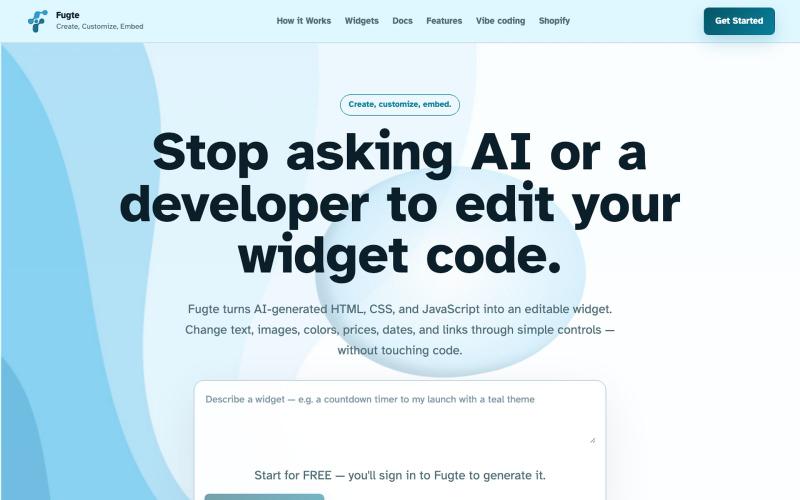
用 AI 创建和自定义交互式小部件,然后将其嵌入到您的网站上。

@fugteapp · X
which empowers nontechnical users to be able to customize code generated by AI or developer, and be able to share and embed it to the website they are already using
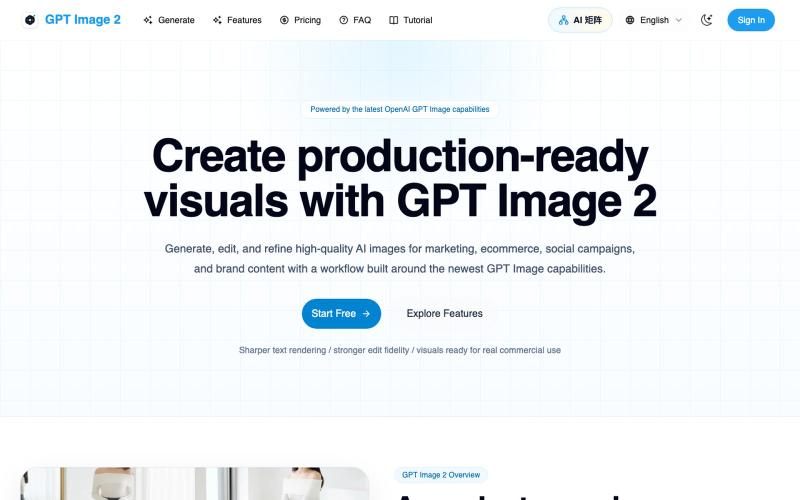
用 GPT Image 2 为营销和社交媒体生成编辑 AI 图像。
Gptimage2 — AI 图片生成工具
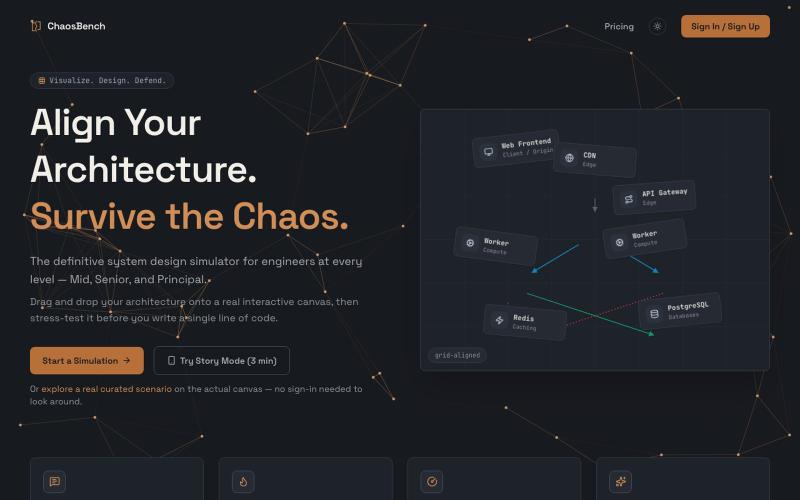
提交系统架构设计,体验AI触发的生产事故模拟实战。
u/No-Preference-846 · Reddit
I built an AI-augmented system design practice tool that triggers a live production incident when you submit your design - not just a critique Every system design prep resource I used was static — read a diagram, read the tradeoffs, move to the next one. Nothing ever pushed back on what I actually built. So I built ChaosBench . You design a system on a canvas — drag components, wire them up — and when you submit it, an LLM (Gemini) finds the actual weak point in your specific design and
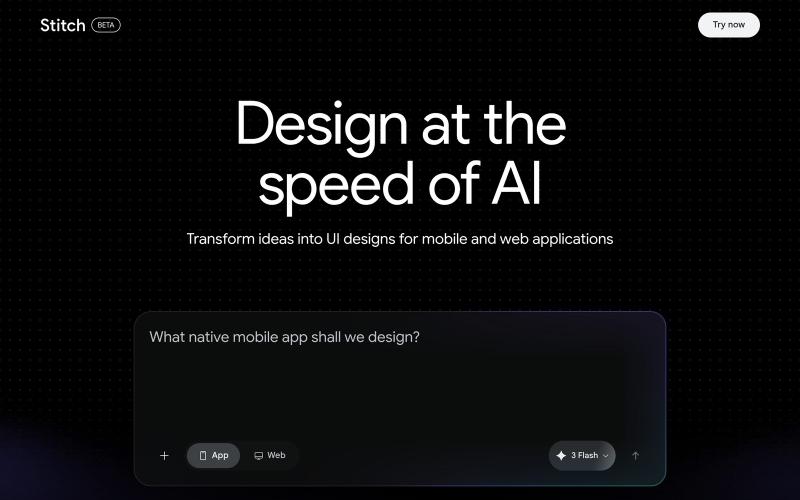
通过描述快速生成高保真UI界面,支持移动和网络应用。

@ninakolari · X
Google just dropped Stitch and it changes the entire vibe coding workflow. You describe what you want your app to look like. It builds full high-fidelity screens in seconds. No Figma. No designer. No credit card. Here is how to use it: Go to Sign in with your Google account. That’s it. You’re in. Instead of typing “make me an app” type this: “A lesson planning app for teachers. Clean and calm. Inspired by Notion. Minimal. White space.” The more specific you are the better your screens. Then refine with follow up prompts. Change the nav. Try dark mode. Get 3 menu variations. Or just speak it. Your screens become a clickable prototype in seconds. Click a button and Stitch generates the next screen automatically. Your entire app flow. Before you write one line of code. Then take it further. Export to Lovable or Cursor and build the logic on top. Use the MCP server to keep your design and code in sync. Pull any website’s design system in seconds. Save everything as
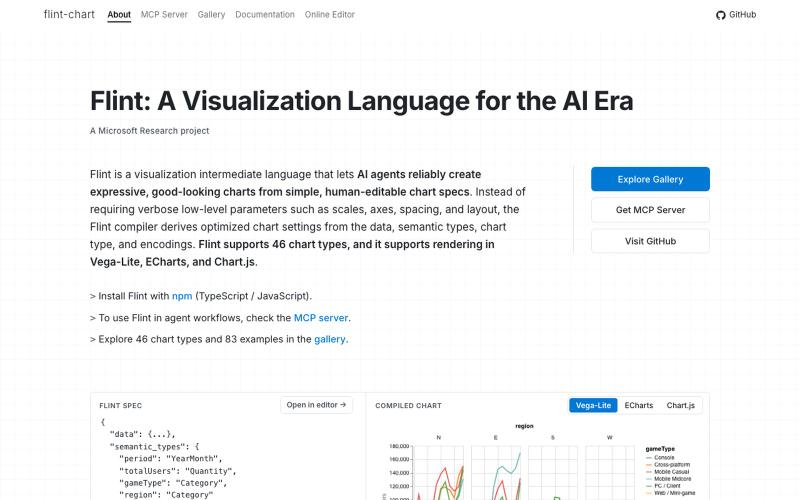
Flint是为AI代理设计的可视化语言,用于创建交互式数据可视化。
chenglong-hn · HN
Data visualizations are the bridge between user and data. But building AI agents that can generate visualizations reliably can be very tricky: - simple chart specs can be reliable, but generated charts are often of low quality due to reliance on system defaults; - complex chart specs with explicit details can produce good-looking charts, but they are verbose and agents can struggle with reliability We figured out it is a limitation on the language issue (not just AI capability thing) -- current visualization languages are a bit too low-level for AI agents, requiring them to explicitly make visual decisions that are supposed to be handled by a good compiler. Flint is a visualization intermediate language to address this issue, allow AI agents to solve this last-mile human-agent interaction problem. It provides a simple semantic-type based specification, and contains a layout optimization engine that can produce good-looking charts (filled with derived low-level details) from simple
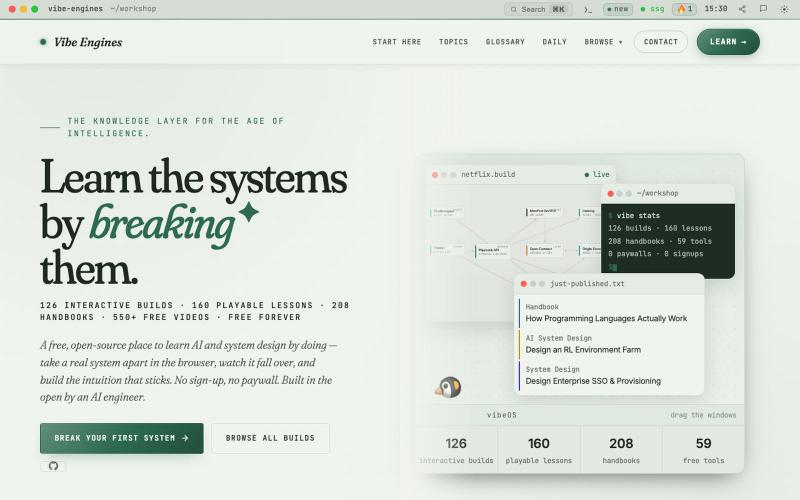
Take real AI and system-design builds apart in your browser and watch them break. Free, interactive lessons — handbooks, runnable labs, coding challenges, and step-by-step system-d

@iamsausii · X
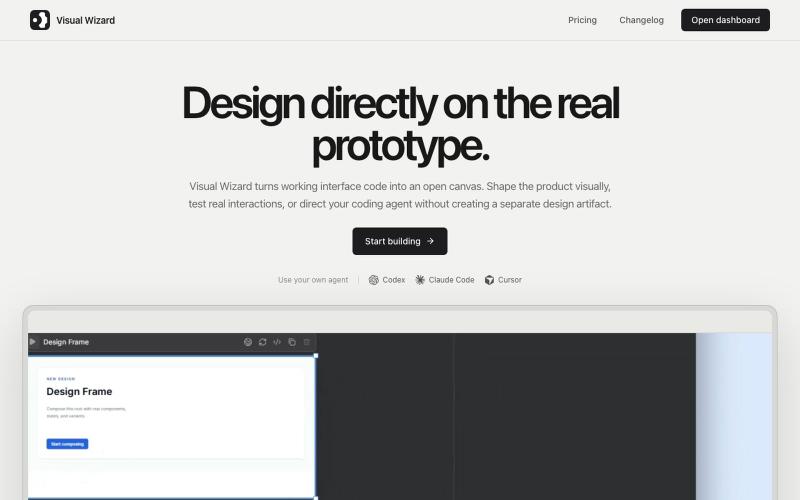
Visual Wizard 是一个视觉工作空间,与编程AI代理实时设计工作原型。
u/tokmako · Reddit
I am developing an alternative work environment to Claude Design. When I first tried Claude Design, I really liked the idea. But after generating a design, I kept wanting a more direct way to continue working on it not as a separate design representation, but as a live, working interface. That’s what I’m building with VisualWizard. The canvas contains real, interactive prototypes. You can select elements directly, move or resize them, change styles, and keep interactions and
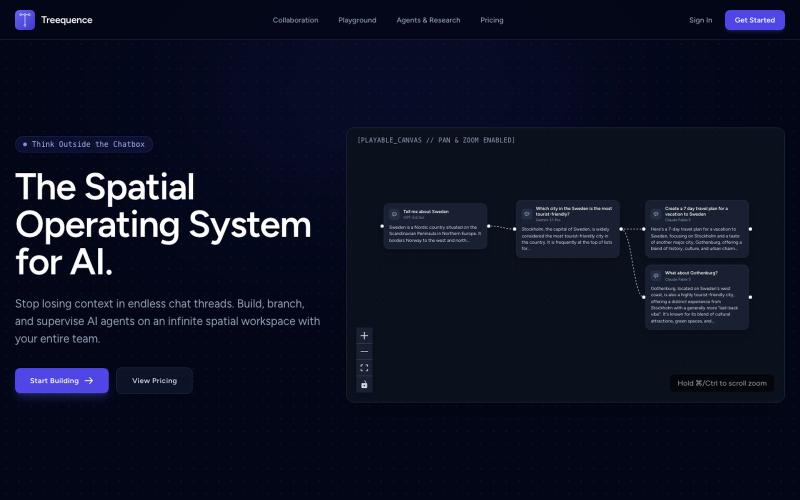
在空间节点画布上协作AI项目,组织语言模型上下文。
jebuehler55 · HN
I built a spatial node canvas to fix LLM context drift