
开发者工具3 weeks ago
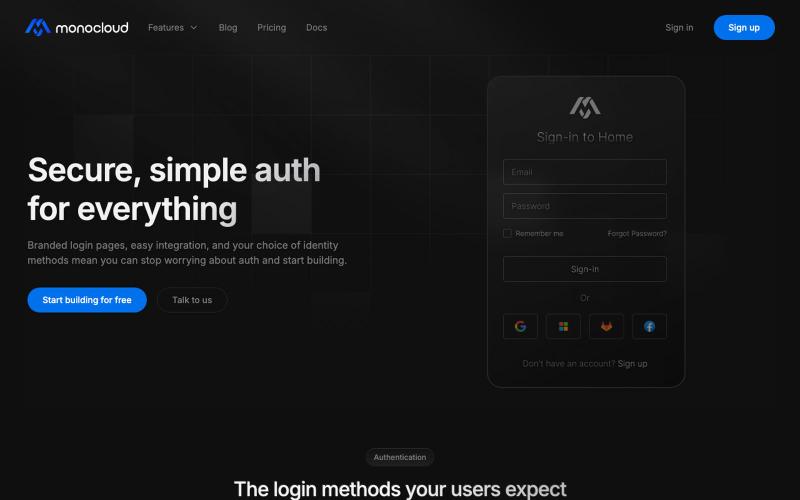
MonoCloud - Authentication Platform for Developers | SSO, Passkeys & Next.js
使用 MonoCloud 为应用添加认证,支持通行密钥、SSO 和多因素验证。
roguetink · Product Hunt
MonoCloud for Startups One identity layer for your customers, APIs, and agents
完整作品展
技术栈
60 projects
使用 MonoCloud 为应用添加认证,支持通行密钥、SSO 和多因素验证。
roguetink · Product Hunt
MonoCloud for Startups One identity layer for your customers, APIs, and agents
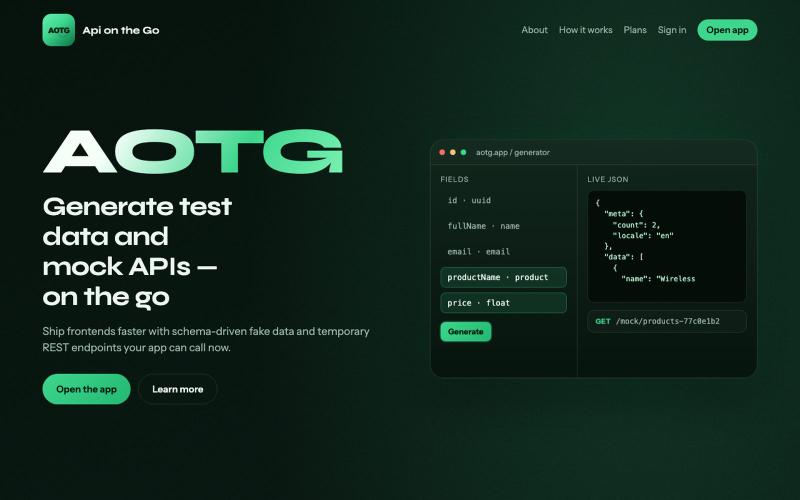
生成测试数据和 Mock API,无需建立真实后端。

@KiddUnderscore · X
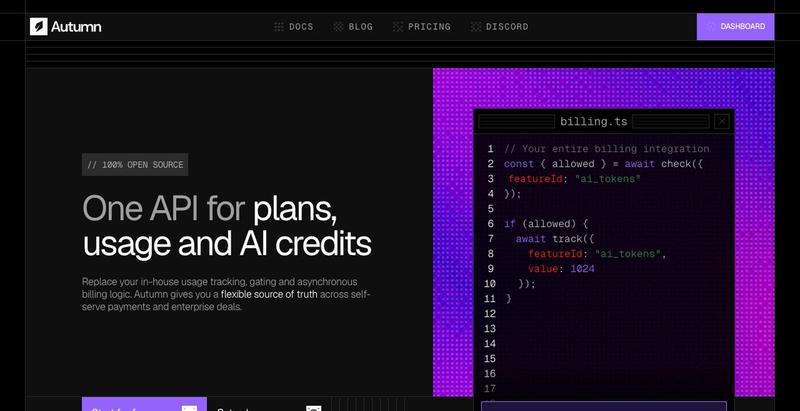
为AI初创公司提供的Autumn计费基础设施,管理支付、使用限额和积分。

@coleywoleyyy · X
Yup, it’s buns. I vibe coded my own tool at Helicone, might make it easier
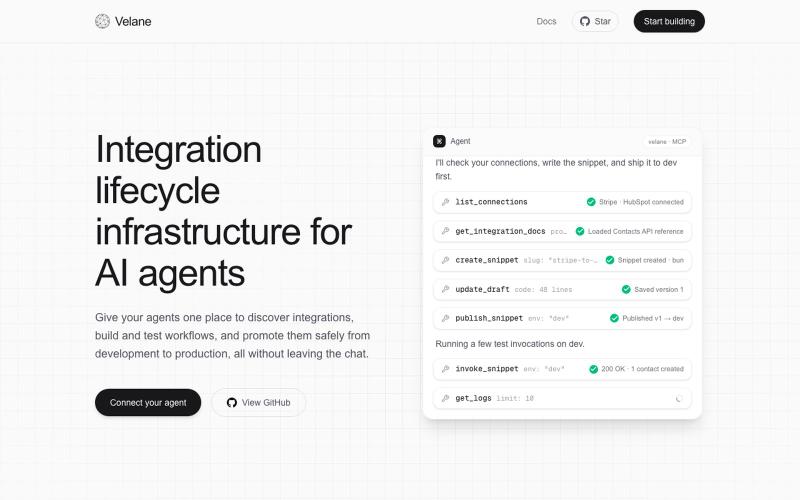
基础设施平台,连接 AI agents 到 800+ OAuth 集成,支持沙箱代码执行。
abskrj · Product Hunt
Velane Cloud for your AI Agent's tools and functions
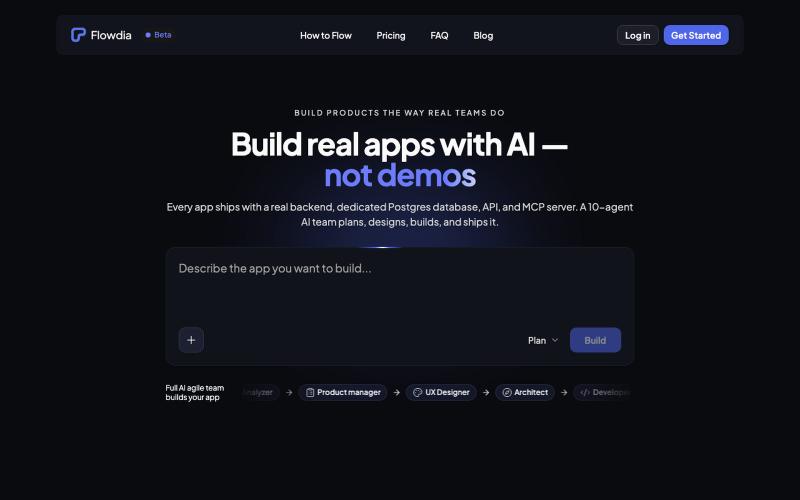
Flowdia 用 AI 团队来规划、设计和部署配备真实数据库和 API 的应用。

@islamtaha · X
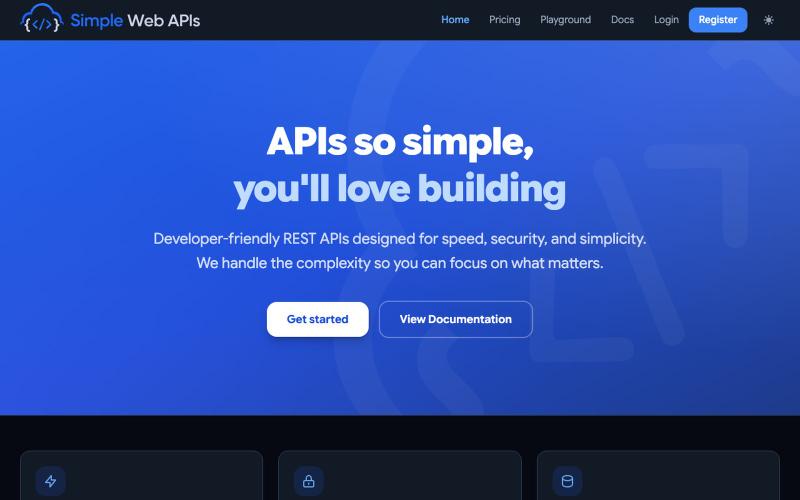
Developer-friendly REST APIs designed for speed, security, and simplicity. From QR codes to DNS lookups - try them free in the playground.

@SimpleWebAPIs · X
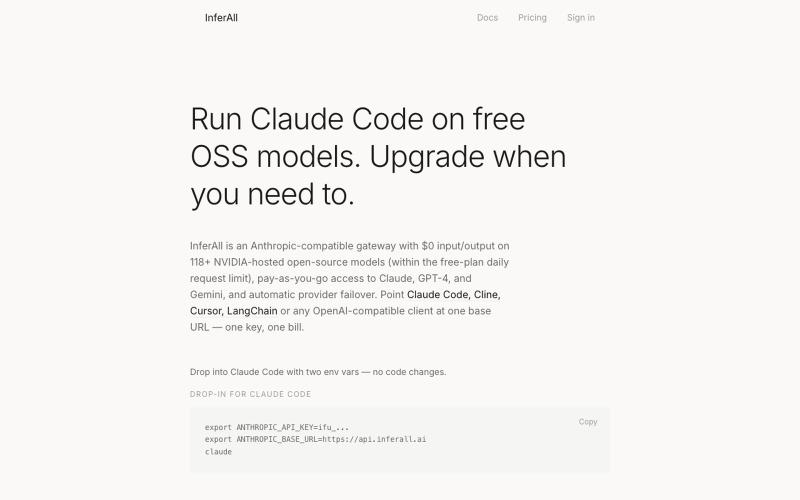
通过InferAll统一API访问207+个AI模型
TaylorM492 · HN
InferAll – One API for OpenAI, Anthropic, Google, Nvidia Nim
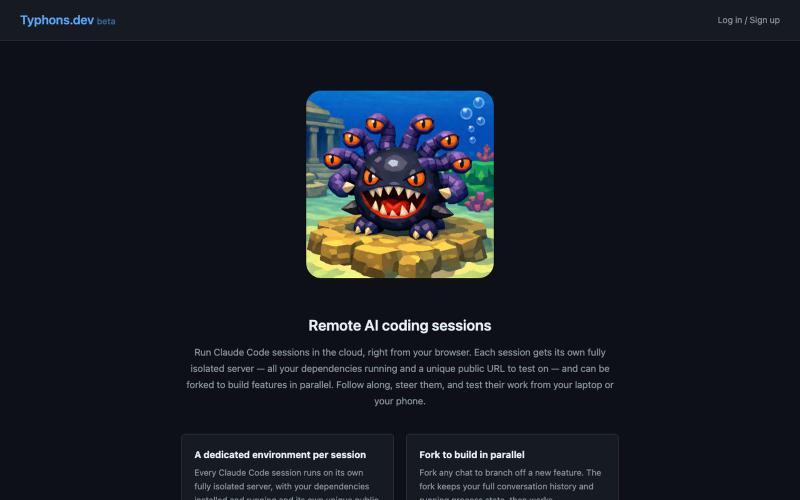
在云服务器上运行 Claude Code,支持克隆开发环境和公共 URL。
u/nathaniel7775 · Reddit
Feedback on better way to do Claude remote control / cloud I've never found Claude Code's built-in /remote-control or cloud dev to be what I want. I don't like having to set it up myself, and I want to have a public URL for my website so I can easily test changes in the browser. Also, I really like building multiple features at once, so I want to be able to fork a chat and start another chat / feature from the same context (but with a different public URL). I've never been abl
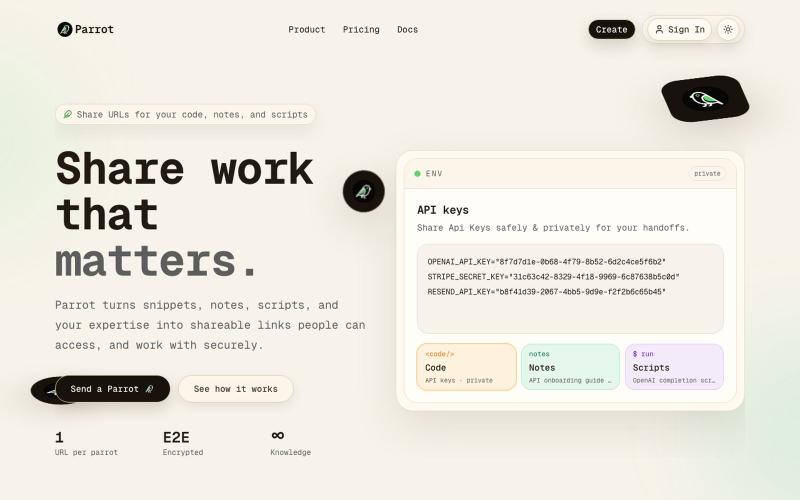
通过加密URL分享代码、笔记、脚本和AI内容。

@parrotwiki · X
one url. everything they need. code, notes, scripts, keys. end-to-end encrypted. 🦜
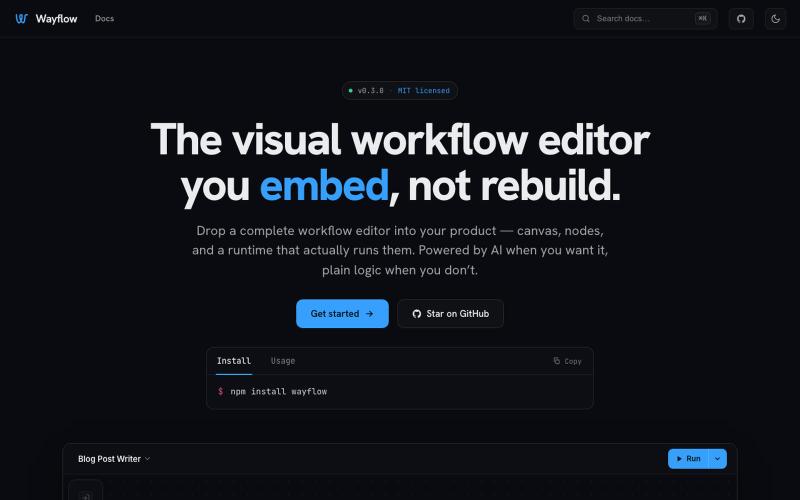
可嵌入的可视化工作流编辑器,支持AI驱动或纯逻辑设计。
tahazsh · HN
Hi! I’m Taha. In many agentic products that support workflows (including one I worked on), I noticed they either don’t support node-based editors, or use React Flow and go through the difficult work of integrating it into their product to run it and work with their existing logic. So I thought about creating a tool that could help with this by closing the gap between the editor and the runtime. That’s why I created Wayflow. The basic architecture is simple: you just need to create a graph (which is a JSON object) that the runtime knows how to run. The runtime doesn’t care where that graph is coming from, it just needs the right schema. And with the help of the editor, you can create the graph, and then export it or directly save it on your backend in your database. And then when you want to execute it, you just hand it to the runtime. The runtime can either stream the execution (which is useful for the editor), or give you the final result. How you execute the graph is up to you: t

