开发者工具7 hours ago
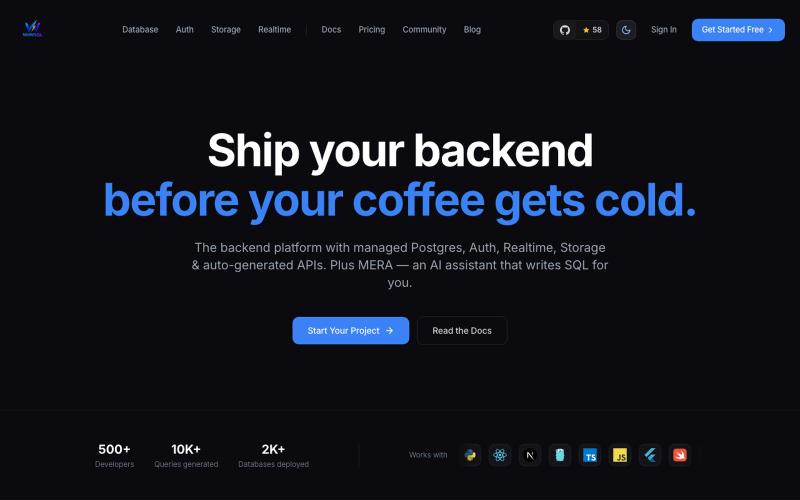
WoWSQL — The Backend Platform Built on Postgres
使用托管 Postgres、身份验证、实时订阅和自动生成的 API 构建后端。
Open source

@im_pradee_p · X
Backend as a service
完整作品展
技术栈
27 projects
使用托管 Postgres、身份验证、实时订阅和自动生成的 API 构建后端。
@im_pradee_p · X
Backend as a service
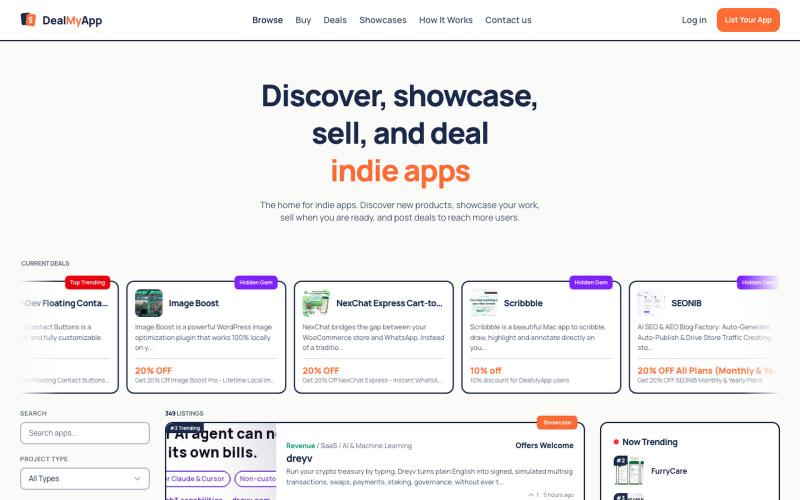
发现独立应用,与创作者连接来购买、出售或交易创意作品。

@JamesAuble · X
Building something cool? List it on DealMyApp and get your project in front of thousands of founders, makers, and potential buyers. 🚀
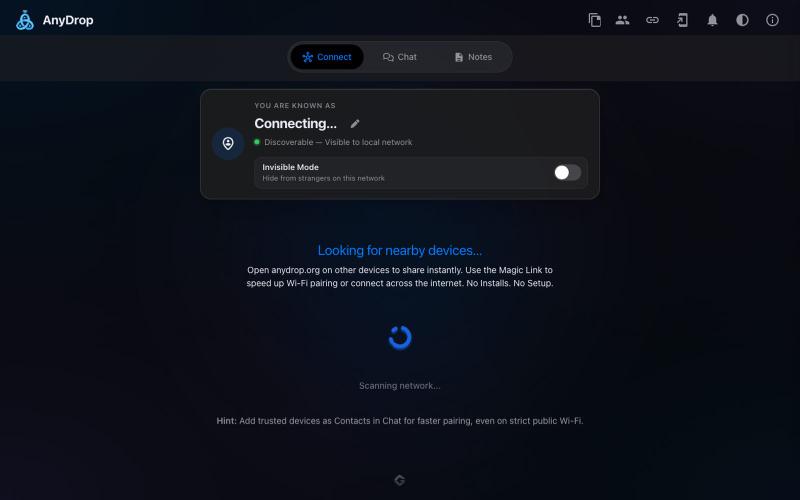
在浏览器中跨设备(Mac、PC、iOS、Android、Smart TV)即时分享文件和文本,无需注册。

@WackyCrocoGator · X
This one doesn’t require any signup or payment. Just load and multiple device by opening the site on them and connect them for an easy way to drop text and file to each other.
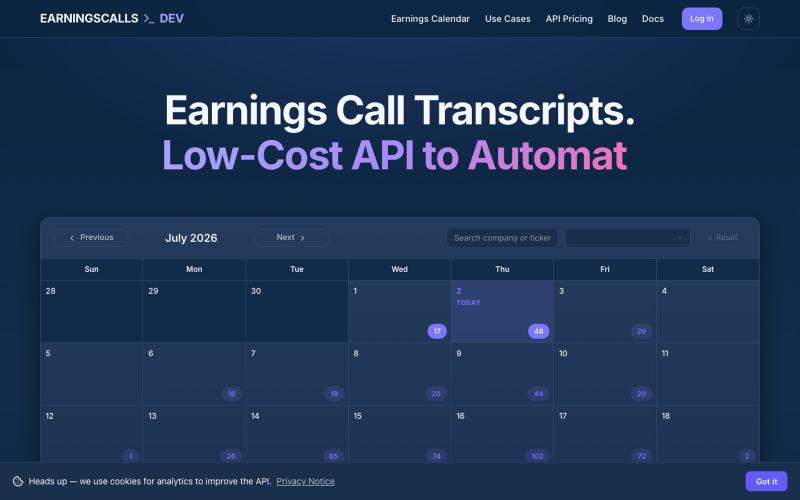
免费阅读财务电话会议记录,或通过 REST API 和 MCP server 访问

@RobGuerra90 · X
Building : access earnings call transcripts via a cheap API or MCP server. Pull any company's call right into your workflow.

跨越30多个区块链网络交易和管理数字资产

@abhijeethganji1 · X
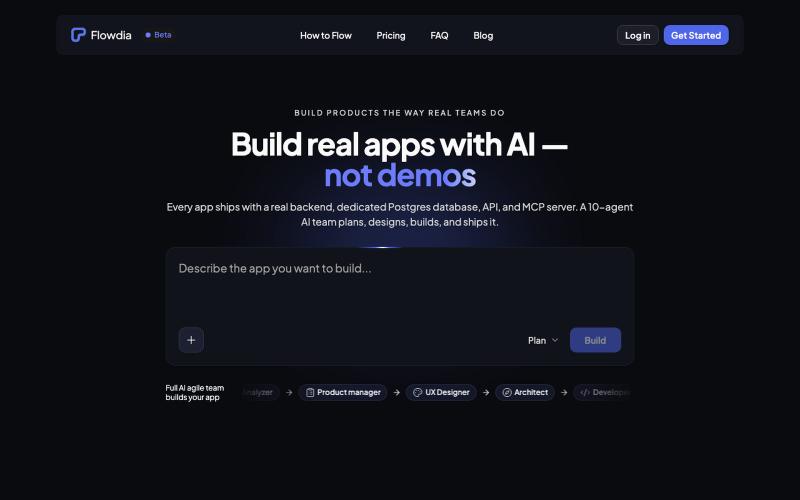
Flowdia 用 AI 团队来规划、设计和部署配备真实数据库和 API 的应用。

@islamtaha · X

上传内容设置价格,粉丝用加密货币支付解锁查看。

@unlockmedias · X
🚀 LIVE: The crypto OnlyFans alternative — built in 2 days on @Nimiq ✅ Connect wallet ✅ Upload content ✅ Set your price ✅ Fans pay to unlock ✅ You keep 100% Built for the Nimiq Mini App Competition 🏆 @miniappscomp
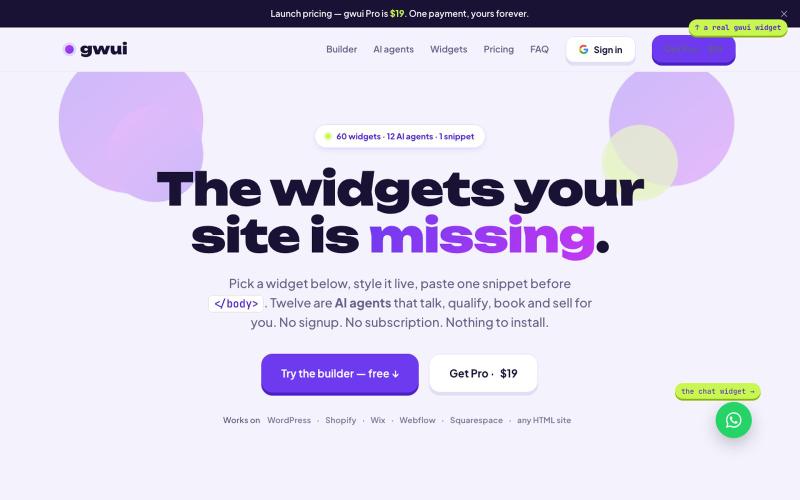
粘贴60个网站小工具和12个AI助手(聊天、搜索、预约等)到你的网站,无需注册。

@TiyebDomainking · X
The AI widgets your site is missing.

接收加密支付直达钱包,无需托管,资金即时到账。

@QBitFlowApp · X
— the worst part of shipping is getting paid, so we make crypto payments as simple as a card, but the money hits your wallet instantly and stays yours (no processor sitting on your funds). Would love your feedback 🙏
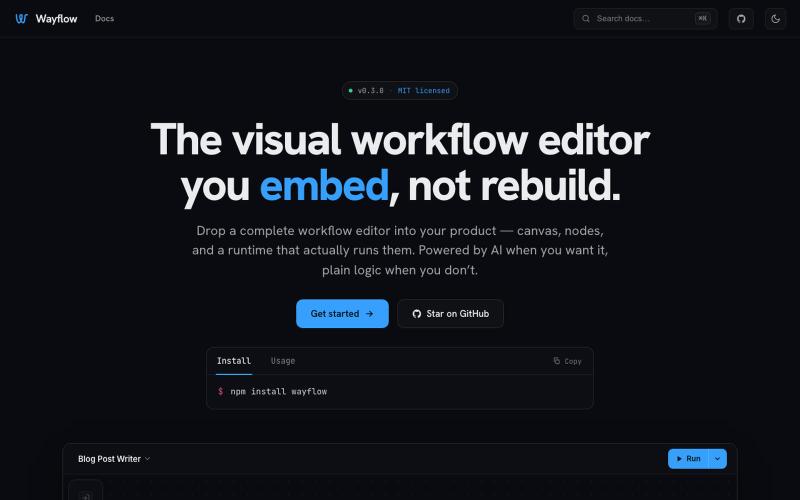
可嵌入的可视化工作流编辑器,支持AI驱动或纯逻辑设计。
tahazsh · HN
Hi! I’m Taha. In many agentic products that support workflows (including one I worked on), I noticed they either don’t support node-based editors, or use React Flow and go through the difficult work of integrating it into their product to run it and work with their existing logic. So I thought about creating a tool that could help with this by closing the gap between the editor and the runtime. That’s why I created Wayflow. The basic architecture is simple: you just need to create a graph (which is a JSON object) that the runtime knows how to run. The runtime doesn’t care where that graph is coming from, it just needs the right schema. And with the help of the editor, you can create the graph, and then export it or directly save it on your backend in your database. And then when you want to execute it, you just hand it to the runtime. The runtime can either stream the execution (which is useful for the editor), or give you the final result. How you execute the graph is up to you: t
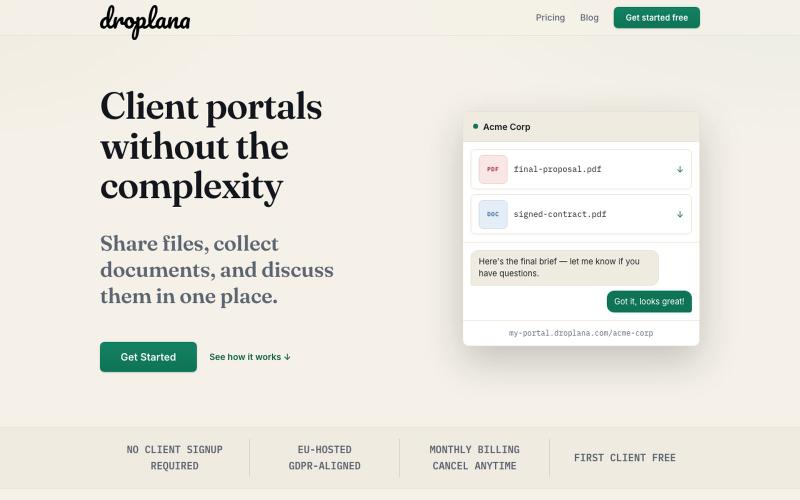
与客户共享文件和讨论文档的门户,无需客户注册。

@droplana_com · X