教育学习1 month ago
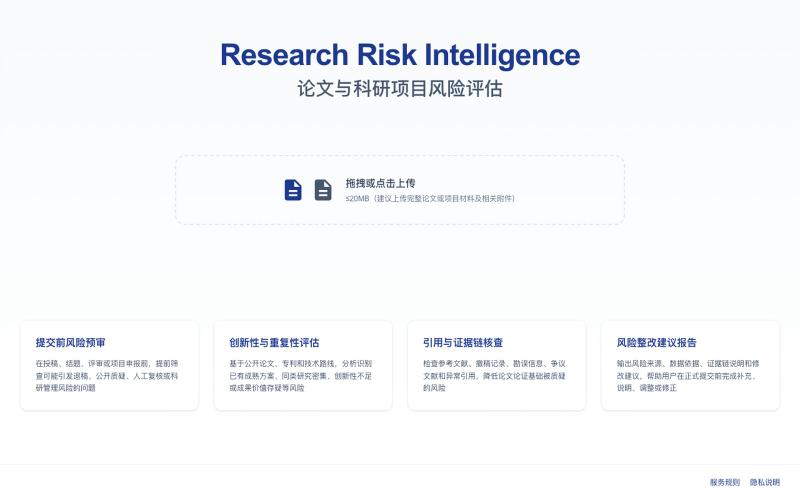
RRI - Research Risk Intelligence | 论文与科研项目风险评估
上传论文和科研项目,识别方法论漏洞、论证薄弱和引文缺陷。

@Havey1001 · X
公共数据被研究得多,并不等于没有创新。更关键的是问题设定、识别策略、机制解释,以及同类结论和引用证据链是否已被覆盖。投稿前先系统比对公开论文、专利和既有技术路线,能少走不少弯路。我们做了一个投稿前风险预审工具,专门把这些重合与薄弱点提前摊开:
完整作品展
技术栈
19 projects
上传论文和科研项目,识别方法论漏洞、论证薄弱和引文缺陷。
@Havey1001 · X
公共数据被研究得多,并不等于没有创新。更关键的是问题设定、识别策略、机制解释,以及同类结论和引用证据链是否已被覆盖。投稿前先系统比对公开论文、专利和既有技术路线,能少走不少弯路。我们做了一个投稿前风险预审工具,专门把这些重合与薄弱点提前摊开:
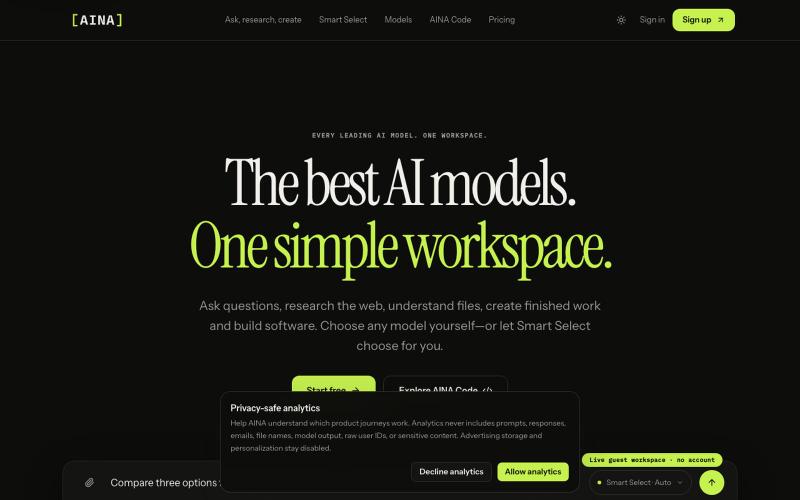
在 AINA 工作区使用多个 AI 模型研究、搜索、分析文件和创作。

@sahiinthehood · X
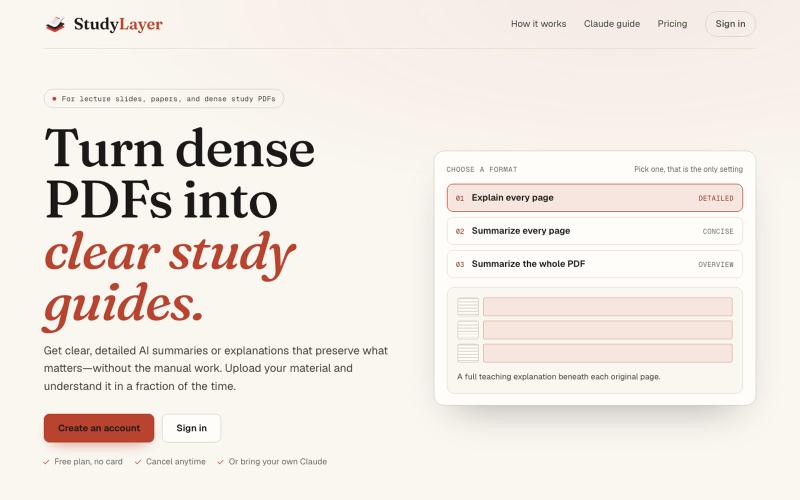
将讲座PDF转化为带页码引用的智能学习笔记。
u/Leanna_Every · Reddit
I built StudyLayer after spending days turning lecture slides into useful notes https://reddit.com/link/1w20w3d/video/kbizu752cemh1/player I’m an undergrad student, and I built StudyLayer to solve my own problem. When I uploaded an entire lecture PDF to a general AI chat, the explanation was often too generic and inconsistent. Important details could be lost. My workaround was painful. Take a screenshot of one page, paste it into the chat, request an explanation, copy the response into
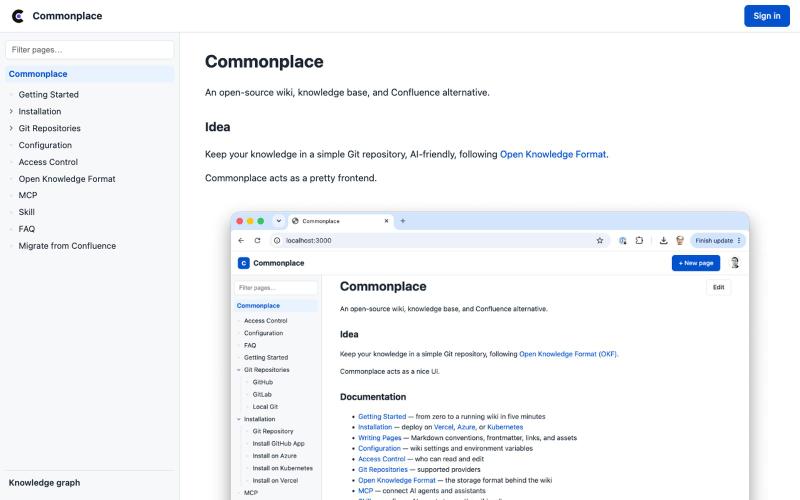
A GitHub-backed wiki for Open Knowledge Format bundles
aiobe · HN
I built Commonplace because I wanted to learn more about Google's Open Knowledge Format for knowledge sharing with human and agents. At the same time, Atlassian announced it will start using customer cloud data to train its AI models (opt-out is Enterprise-only), which made a self-hosted Confluence alternative feel timely. The idea: - Use a Git repository that follows Open Knowledge Format with plain Markdown - Commonplace is just a stateless frontend on top (nice UI, but no database, no backups
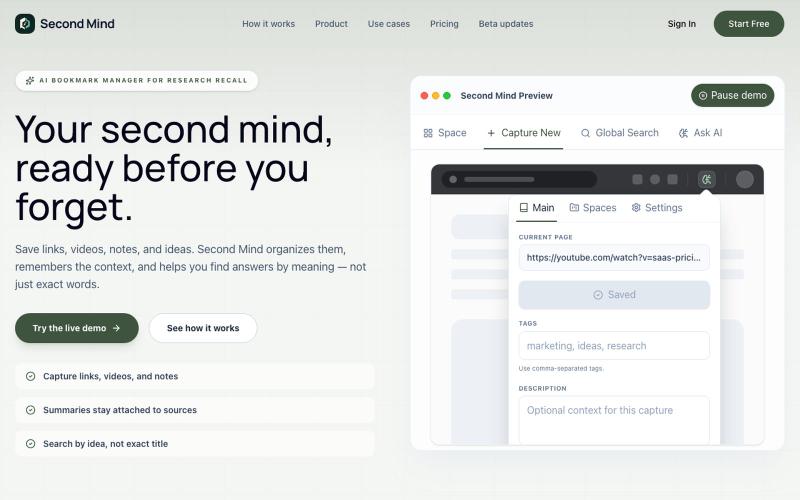
在Second Mind中保存书签、视频和笔记,AI知识库会总结内容并关联想法。

@vhm205 · X
Too many news articles, too many bookmarks, too many notes, but I never open them again because I don't know where to find them
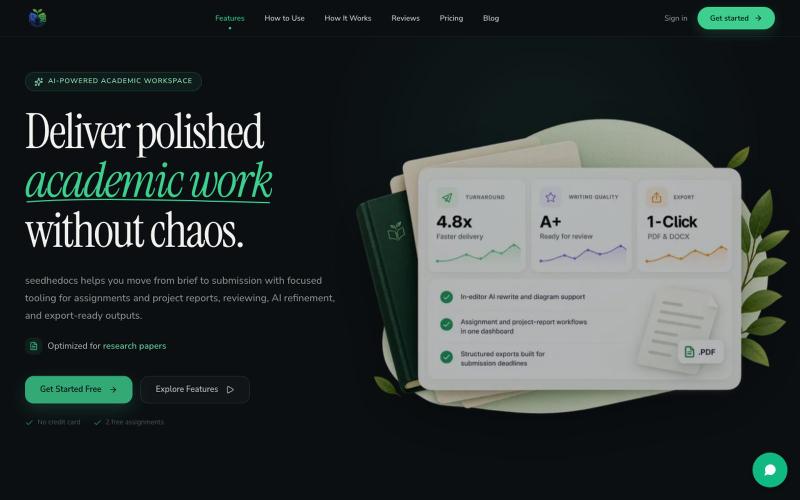
seedhedocs is the AI-powered academic workspace that helps students write assignments, generate project reports, create diagrams, and export submission-ready PDFs in minutes. Free

@VishalP23921104 · X